Blog
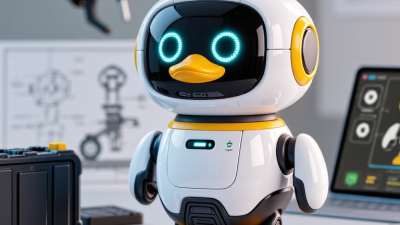
7 Microduck Robot Buying Tips for Global Buyers
A microduck robot may look simple on a product page: a compact body, bright eyes, and a quick demonstration of movement. Buying across borders takes more than judging that first impression. The International Federation of Robotics reported 541,302 industrial robot installations worldwide in 2023, in its World Robotics 2024 report. That figure describes industrial robots, not microduck robots. Still, it shows how varied robotics products have become—and why buyers should check what a device can actually do.
Seven practical checks can make comparisons clearer: intended use, movement and interaction features, battery life, control options, materials, warranty terms, and seller support. Ask for measurable details, such as operating time per charge, charging method, and replacement-part availability. Check whether instructions are understandable and whether demonstrations match the product specification. Small details matter. A charging cable shown in a photo may not be included. A feature may also depend on an app, phone compatibility, or a stable connection.
For global buyers, confirm the quoted price, packaging, delivery estimate, and after-sales contact before placing an order. Request written answers rather than relying on a short video or an informal promise. Product names can be inconsistent, and “smart” does not always mean autonomous. I would not treat a polished demo as proof of durability; that assumption is easy to make, and sometimes wrong. These buying tips offer a grounded way to assess a microduck robot, compare suppliers, and identify unanswered questions before purchase.
Read more »
 By:Oliver
- November 11, 2026
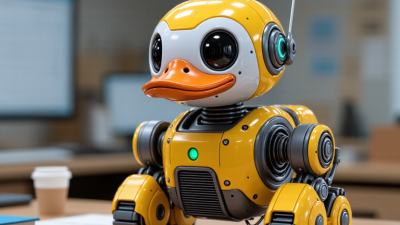
7 Tips for Buying a Microduck Biped Robot?
A microduck biped robot can look impressive as it steps across a desk, but a short demonstration reveals little about daily performance. Buyers should look beyond appearance and compare balance, walking speed, battery life, repair options, software access, and the surface it can handle. Small details matter. A robot that walks smoothly on a flat showroom floor may wobble on a carpet edge or stop when its battery weakens.
Industry data offers useful context, but it cannot verify a specific model’s claims. The International Federation of Robotics’ World Robotics 2024 report recorded 541,302 new industrial robot installations worldwide in 2023, with 4,281,585 industrial robots operating globally. These figures describe industrial automation, not small biped robots or consumer demand. That distinction matters. They show robotics adoption at scale, but they do not tell buyers whether a microduck biped robot is durable, easy to program, or worth its price.
Use the seven tips that follow as a practical checklist. Ask for clear specifications, real operating footage, warranty terms, and evidence of replacement-part availability. Check whether the controller and app support your devices, and whether the seller explains limitations plainly. A polished video is not a test. I would also leave room for uncertainty: early reviews can miss problems that appear after repeated use. Careful questions now can prevent a charming desk companion from becoming an expensive display piece.
Read more »
By:Oliver
- November 11, 2026
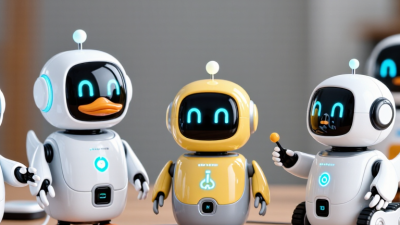
7 Best Microduck AI Robots for Global Buyers?
A microduck AI robot may look like a small desktop companion, but buyers should judge more than its size or animated face. The term does not describe a standardized product category, so features can vary widely. Some models focus on interaction; others emphasize programmable movement, sensors, or educational activities. Check what each robot can actually do.
The market for robotics is growing. The International Federation of Robotics reported that sales of professional service robots reached nearly 205,000 units in 2023, a 30% increase from 2022. This broad category includes many robot types, not just compact companion devices. The figure signals momentum, but it does not prove that every small AI robot is reliable or useful. Details matter.
This guide compares seven options for global buyers. It looks at interaction quality, documented specifications, setup requirements, connectivity, support, and stated safety features. A short demo can reveal a lot: Does the robot respond in a noisy room? Can it perform a task without constant app troubleshooting? Those practical questions matter more than polished promotional videos. Availability, software, and after-sales support may differ by region, so confirm them with the seller before ordering. We also distinguish published claims from independently verified information wherever possible. No product is perfect. Small robots can have limited battery life, unclear privacy settings, or features that depend on an internet connection. The comparison is a starting point, not a substitute for checking the latest product documentation.
Read more »
By:Oliver
- November 11, 2026