A microduck robot may look simple on a product page: a compact body, bright eyes, and a quick demonstration of movement. Buying across borders takes more than judging that first impression. The International Federation of Robotics reported 541,302 industrial robot installations worldwide in 2023, in its World Robotics 2024 report. That figure describes industrial robots, not microduck robots. Still, it shows how varied robotics products have become—and why buyers should check what a device can actually do.
Seven practical checks can make comparisons clearer: intended use, movement and interaction features, battery life, control options, materials, warranty terms, and seller support. Ask for measurable details, such as operating time per charge, charging method, and replacement-part availability. Check whether instructions are understandable and whether demonstrations match the product specification. Small details matter. A charging cable shown in a photo may not be included. A feature may also depend on an app, phone compatibility, or a stable connection.
For global buyers, confirm the quoted price, packaging, delivery estimate, and after-sales contact before placing an order. Request written answers rather than relying on a short video or an informal promise. Product names can be inconsistent, and “smart” does not always mean autonomous. I would not treat a polished demo as proof of durability; that assumption is easy to make, and sometimes wrong. These buying tips offer a grounded way to assess a microduck robot, compare suppliers, and identify unanswered questions before purchase.
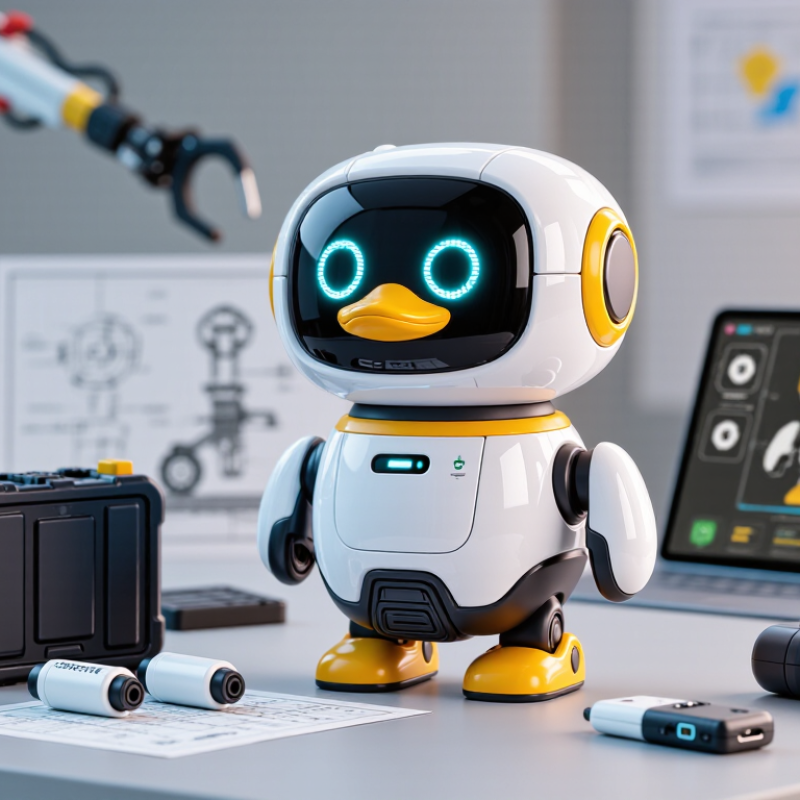
A microduck robot is a small robotic device designed around a duck-like form or theme. The term is not a standard technical category, so products may differ widely in movement, sensors, and software. Some are built for classroom demonstrations, where learners can observe basic motors, programmed responses, or obstacle detection. Others are intended for interactive displays or simple home entertainment. Not every model can navigate independently. Some only waddle, turn, or react to touch.
Purpose matters. A robot for a classroom may need durable parts, clear controls, and activities suited to the learners’ age. A display model may prioritize appearance and predictable movement instead. Check its operating surface, battery life, charging method, and whether its sensors work under ordinary indoor lighting. A smooth tabletop can behave differently from a carpet. Small does not mean simple. Ask how the robot responds when it meets an obstacle, and whether its actions can be adjusted.
I would not assume that a cute shape makes a device suitable for every setting; that distinction is easy to miss. Product descriptions can also leave practical limits unclear, so request measurable details before choosing.
Before comparing Microduck robots, write down the job they must do. Will the unit support education, customer demonstrations, or light operational tasks? Define the work area, expected daily use, and any required interaction features. A compact robot may fit a crowded counter, but still need clear floor space to move safely. Small details matter. Ask suppliers for measurable specifications, such as dimensions, operating time, charging method, and supported accessories. Confirm which figures are tested values and which are estimates.
Set a realistic budget using the full delivered cost, not just the quoted unit price. Include packaging, shipping, setup, training, spare parts, and possible maintenance. Request a written quote with currency and delivery assumptions stated clearly. I may be giving too much weight to after-sales support, but a low purchase price can feel less attractive when a replacement part takes weeks to arrive. Your target market also shapes the choice: buyers may value different languages, interfaces, appearance, or service availability. Talk to a few likely users before ordering. Their feedback may change your feature list. That can wait. Compare suppliers against the same requirements, then test one unit in the intended setting before committing to a larger order.
Use these illustrative 1–5 planning ratings to start a buyer discussion, not as survey results. Adjust priorities to your application, total budget, local safety and compliance requirements, and target market.
Before comparing prices, define what the microduck robot must do in your setting. Check dimensions, weight, operating time, charging method, sensor range, and supported controls. Ask for the specification sheet tied to the exact model, not a generic product family.
Tip 1: Request a sample and test it on the surfaces and turns it will actually encounter. A smooth showroom floor can hide traction problems.
Tip 2: Inspect safety details, including battery protection, charging temperature limits, accessible moving parts, and materials that may contact children. Request relevant test reports and clear operating instructions. A certificate folder is reassuring, but it does not prove every delivered unit matches the tested sample. Check model numbers and report dates carefully.
Tip 3: Confirm which compliance documents apply in each destination market. Requirements can differ by product features, such as wireless controls or rechargeable batteries. Ask the supplier to identify applicable standards and provide supporting records, then verify them with a qualified local adviser when needed. Small details matter. I would not rely on a verbal promise alone; written answers can still be incomplete, so leave time for follow-up before placing a large order.
For a microduck robot purchase, verify the supplier before discussing price. Check the registered company name, factory address, production capabilities, and whether the sales contact can arrange a live video tour. Ask for recent inspection records and confirm certificates with the issuing organization. The International Federation of Robotics reported nearly 205,000 professional service robots sold in 2023, a 30% increase over 2022. That growth makes careful supplier checks more important, not less. Small details matter.
Request a sample built to the exact configuration you plan to order. Test it on the surfaces and routes it will encounter: tile seams, carpet edges, tight turns, and repeated charging cycles. Record runtime, sensor response, noise, and any loose parts. Ask for a written specification and compare the delivered sample against it. A polished sample can still hide weak batch control. Request a pilot batch, if practical, and inspect units from different cartons; this adds cost and time, but may reveal inconsistencies earlier.
Before paying a deposit, get after-sales terms in writing. Confirm the warranty period, response time, troubleshooting process, spare-part availability, and who pays return shipping for confirmed defects. Ask for a parts list and simple repair instructions, such as how to replace a wheel or clean a sensor. Test support with a specific question before ordering. A fast sales reply is not proof of fast technical help, and even a good supplier may not keep every part in stock. Keep emails, test videos, and agreed specifications together for later comparison.
A Microduck Robot quote can look affordable until freight, packing, and setup are added. Compare the landed cost, not only the unit price. Ask for an itemized quotation covering the robot, accessories, export packing, insurance, and delivery. Small fees add up. Confirm whether the price includes import duties and local taxes, or only transport to a port. These details vary by destination and shipping arrangement, so verify them with your customs broker.
Shipping affects both cost and risk. Request carton dimensions, gross weight, dispatch date, and estimated transit time before paying. For air freight, faster delivery may justify the higher charge. For sea freight, allow time for port handling and inland delivery. Check how shipping damage is recorded and who arranges replacement parts. Photos taken when the carton arrives can help, but they do not replace agreed inspection terms.
Purchase terms deserve equal attention. Confirm the currency, payment milestones, warranty period, spare-part availability, and acceptance criteria. Put the chosen configuration and delivery promises in the order document, not only in messages. Ask whether delays affect the balance due. Even a careful comparison can miss a delay. Normalize every quote to the same destination and service level before choosing.
It is a small robot with a duck-like shape or theme. The term is not a standard technical category.
Some waddle, turn, or respond to touch. Others demonstrate motors, programmed actions, or obstacle detection. Capabilities vary.
No. Some models only make simple movements or react to contact. Check the exact model.
Look for durable parts, clear controls, and activities suited to learners’ ages. Ask how it handles obstacles.
Check its dimensions, weight, battery life, charging method, sensor range, and supported controls. Request details for the exact model.
A smooth tabletop may not reveal traction problems. Try it on the carpet and turns it will actually encounter.
Check battery protection, charging temperature limits, moving parts, and materials that may touch children. Ask for test reports and instructions.
Not necessarily. Match model numbers and report dates, then confirm which documents apply in the destination market. A verbal promise is not enough.
No. Request measurable details and allow time for follow-up. I might be overcautious, but assumptions can be costly.
Buying a microduck robot for an international market starts with understanding what the product is designed to do and who will use it. Define the intended applications, target customers, expected order volume, and available budget before comparing options. Clear requirements make it easier to assess whether a model’s functions, materials, performance, and expected service life suit your needs.
Review product specifications and relevant safety and compliance documentation for the destination market. Before placing a large order, verify the supplier’s experience, request samples, and clarify warranty coverage, replacement procedures, and after-sales support. Compare the full cost—not just the unit price—including packaging, shipping, insurance, taxes, and any other applicable fees. Finally, confirm lead times, payment arrangements, quality expectations, and delivery terms in writing so both sides have a clear understanding of the purchase.