
Acoustic & Grasping
Direct factory supply for institutions, retail distribution chains, and tech incubators across Addis Ababa, Dire Dawa, and Hawassa.


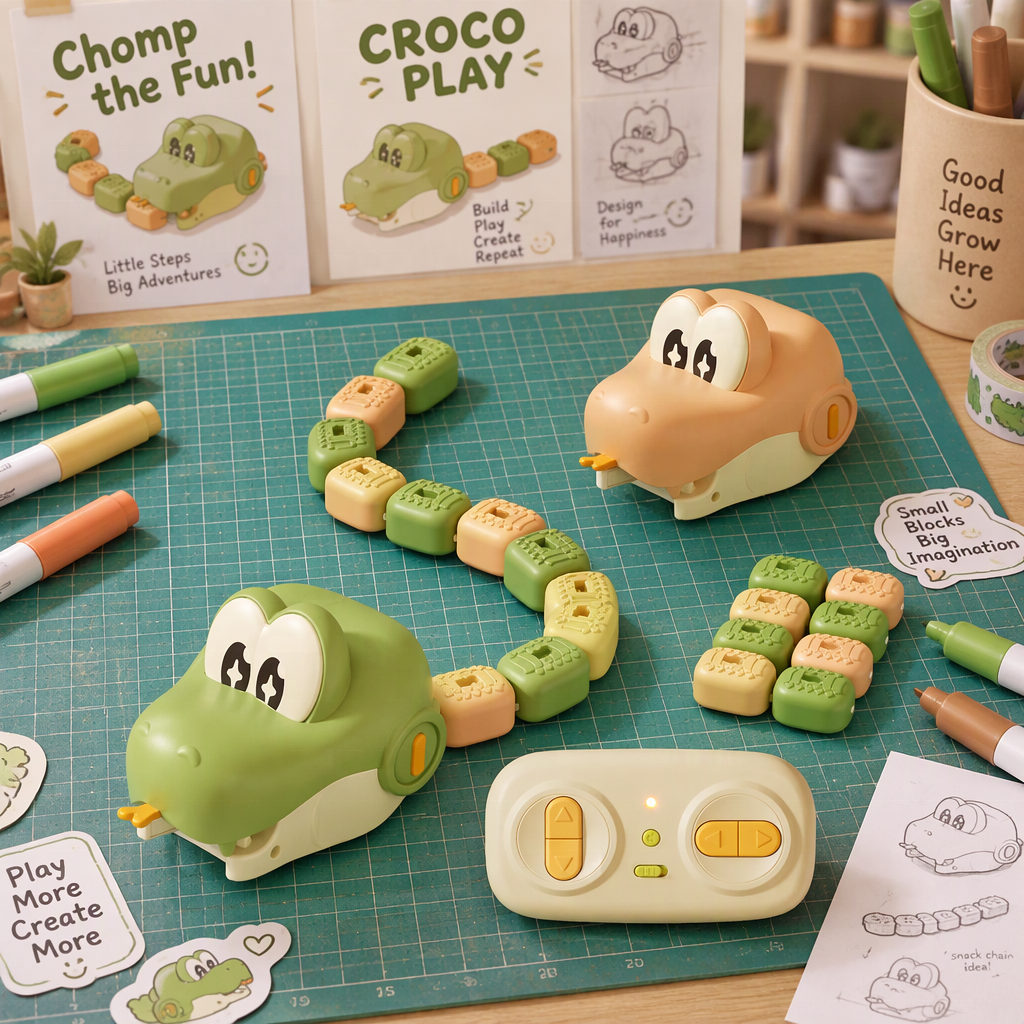
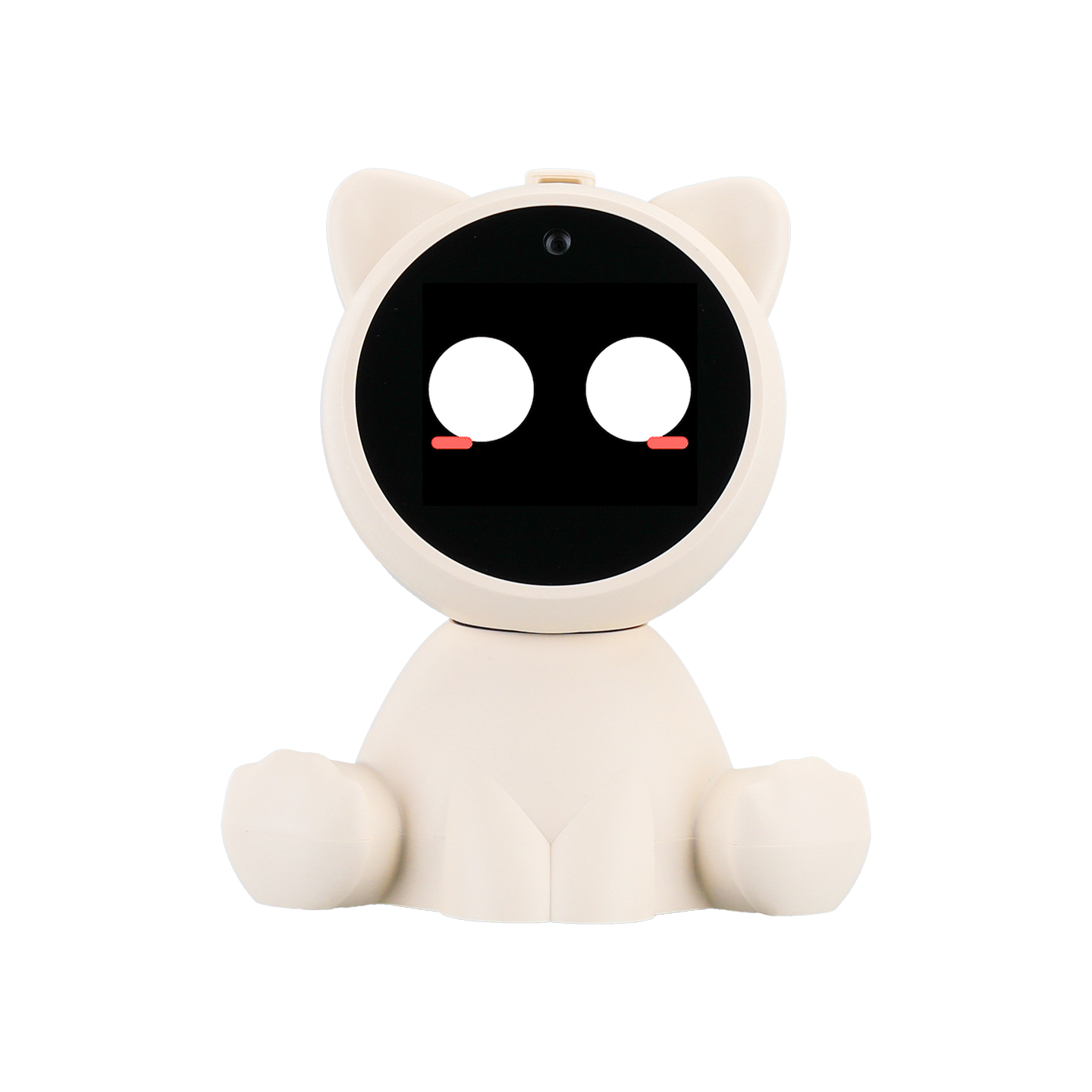



In the evolving discipline of small-scale robotic manipulation, microduck robot grasping defines a distinct class of compliant robotic grasping mechanisms inspired by flexible biomechanics, engineered specifically for irregular geometry handling, tactile sensing feedback, and low-payload dynamic grasping. While conventional parallel-jaw grippers rely on rigid force application that frequently compromises delicate substrates, microduck-configured actuators utilize soft elastomeric gripping matrices combined with mini micro-servo gearboxes. This hybrid construction allows robotic platforms to manipulate lightweight components (from 2 grams up to 850 grams) without sensor overload or physical deformation.
Manufactured by Shenzhen MDT Technology Co., Ltd. (Microducktoys), our precision robotic grasping assemblies integrate low-latency microcontrollers, magnetic pickup interfaces, and vision-assisted positioning modules. Designed to operate stably across high-altitude and dust-variable environments such as the Ethiopian highlands, these grasping units feature dust-sealed stepper linkages, multi-axis freedom, and adaptive compliance curves. Whether integrated into classroom demonstration rigs, autonomous desktop units, or specialized sorting arms, microduck grasping mechanisms bridge the gap between expensive industrial tooling and accessible, highly replicable robotics for emerging industrial ecosystems.
Contextualized solutions targeting Ethiopia's educational digitization, vocational STEM training initiatives, and light agro-processing assembly lines.
Academic institutions such as Addis Ababa University (AAU) and regional Institutes of Technology utilize microduck robot grasping platforms to teach inverse kinematics, servo feedback control, and closed-loop computer vision grasping without prohibitive capital expenditure.
Under Ethiopia’s Technical and Vocational Education and Training (TVET) expansion, these units offer hands-on mechatronics assembly practice, teaching students actuator calibration, signal conditioning, and programmable pick-and-place logic.
Experimental agri-tech labs deploy compliant grasping fingers to study non-destructive manipulation of delicate high-value seeds (such as select coffee cherries and teff grain aggregates) during automated optical quality assessment trials.
Key macroeconomic drivers directing institutional procurement and technology transfer in Ethiopia through 2026–2030.
The Ethiopian Artificial Intelligence Institute (EAII) is driving rapid infrastructure development, catalyzing massive national demand for educational hardware that integrates physical robotic control with LLM dialogue engines and spatial vision models.
With standard-gauge rail connecting the Port of Djibouti to the Mojo Dry Port, freight transit times for containerized precision electronics from Chinese coastal ports have contracted to under 22 days, lowering landing costs significantly.
Purchasers in the Horn of Africa increasingly demand lithium-powered robotic kits with integrated battery management systems (BMS) capable of handling intermittent grid conditions and operating on USB-C solar field charging arrays.
Shenzhen MDT Technology Co., Ltd. combines rigorous ISO/CE quality compliance with full OEM/ODM agility.
Our production facilities, testing rigs, and assembly processes are audited directly on-site by TÜV Rheinland for global compliance verification.
Full availability of CE, EN71, FCC, UN38.3 lithium battery reports, and complete MSDS documentation essential for National Bank of Ethiopia import permits.
Eliminate trial risk with single-piece evaluation orders, scaling seamlessly to 40-foot containerload consolidation with customized branding.
From custom Amharic/English acoustic voice personas to custom-machined end-effector grasping linkages, we execute end-to-end hardware-software adaptation.
Source educational robots, magnetic grasping RC vehicles, and desktop AI pets under one single bill of lading to minimize port clearing and inspection overheads.
Factory-backed video guidance, complete SDK documentation, replacement gear train modules, and direct remote developer engineering assistance.
Clear answers addressing foreign exchange, customs clearance, shipping channels, and technical integration.
We regularly accommodate trade mechanisms complying with National Bank of Ethiopia (NBE) requirements. We accept confirmed, irrevocable Letters of Credit (L/C at sight) as well as T/T telegraphic transfers, CAD (Cash Against Documents), and escrow. Proforma invoices are supplied with precise HS codes to expedite your commercial bank foreign exchange queue allocation.
For sea freight (FCL and LCL), shipments depart Shenzhen or Guangzhou ports directly to the Port of Djibouti, where cargo is cleared and transitioned via the Ethio-Djibouti Railway or bonded trucking into Mojo Dry Port or Kality Customs Hub within 20 to 28 days. For urgent sample batches (from 1 pc), direct air cargo to Bole International Airport (ADD) via Ethiopian Cargo takes only 4 to 6 business days.
Yes. Every unit containing rechargeable lithium cells is accompanied by complete UN38.3 test summaries, a valid Material Safety Data Sheet (MSDS), and drop-test packaging compliance certificates. This ensures zero customs retention at Bole International Airport or the maritime borders.
Our conversational and voice-interactive robotic lines support multi-language cloud models and on-device vocabulary packs. While standard configurations feature 40 international languages including English, Arabic, and French, custom ODM projects can incorporate localized phrase prompts or specialized speech interfaces via our flexible firmware architecture.