MAGNETIC BUS

Magnetic Interactive Toy Set for Children Snake-Like Electric Vehicle Track
Hall Sensors
Modular Rails
Ages 3+
Directly from our Shenzhen production hub to Italian research laboratories and educational retail networks. Our programmable robotic architectures deliver seamless interoperability with the Microduck Python SDK.
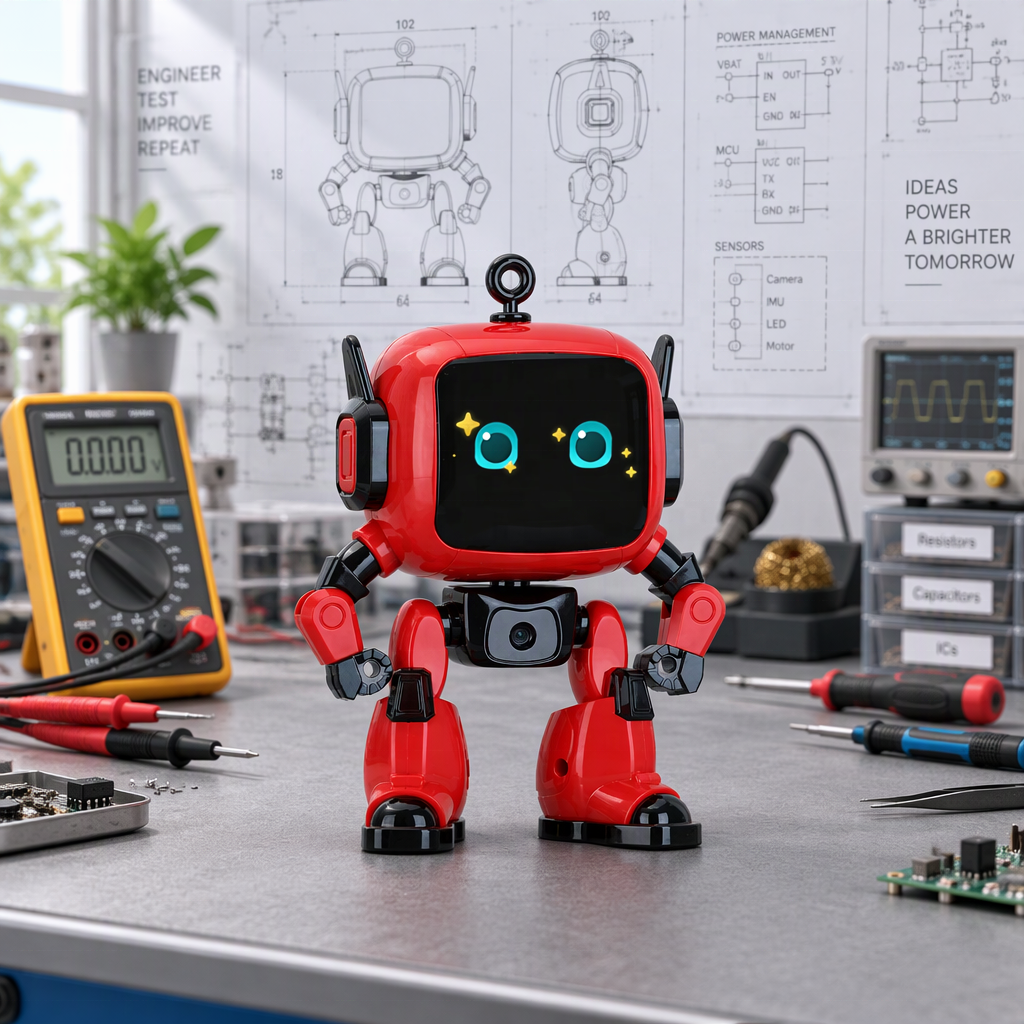
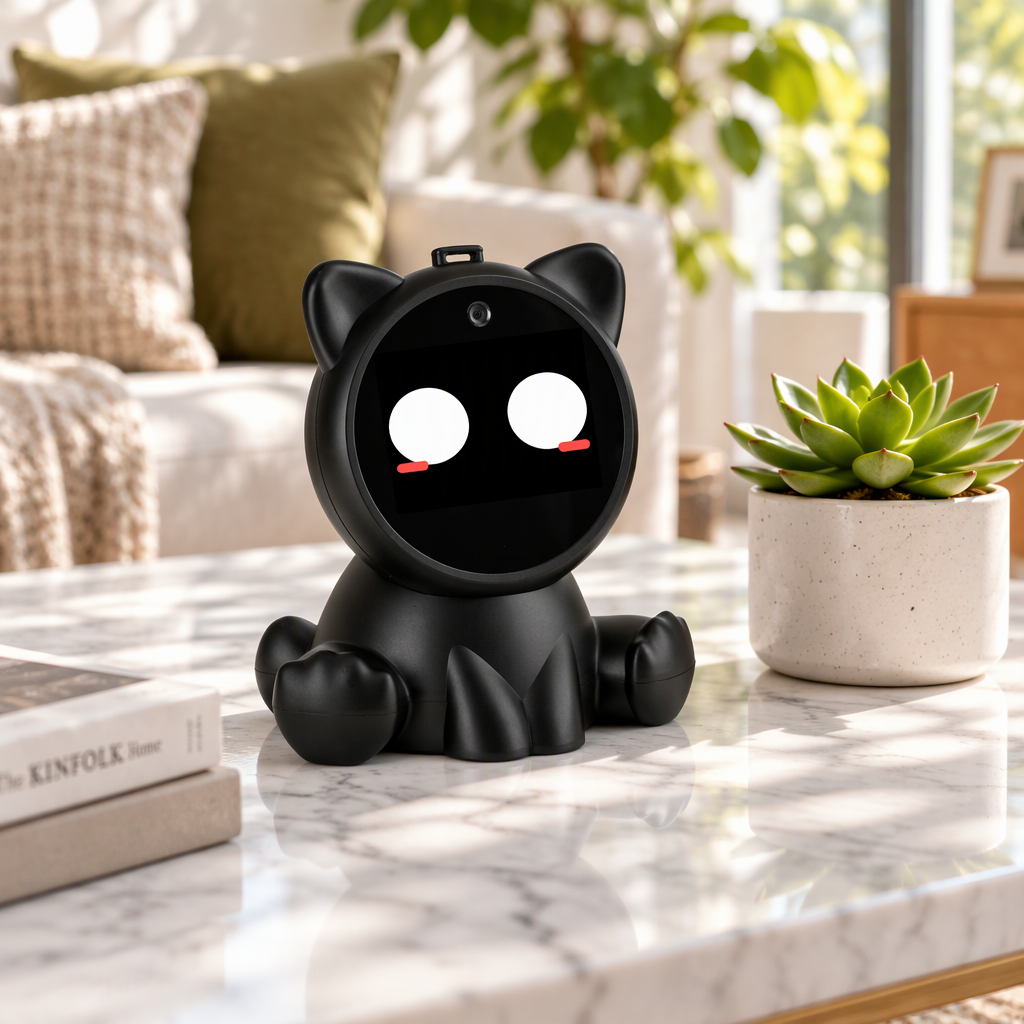
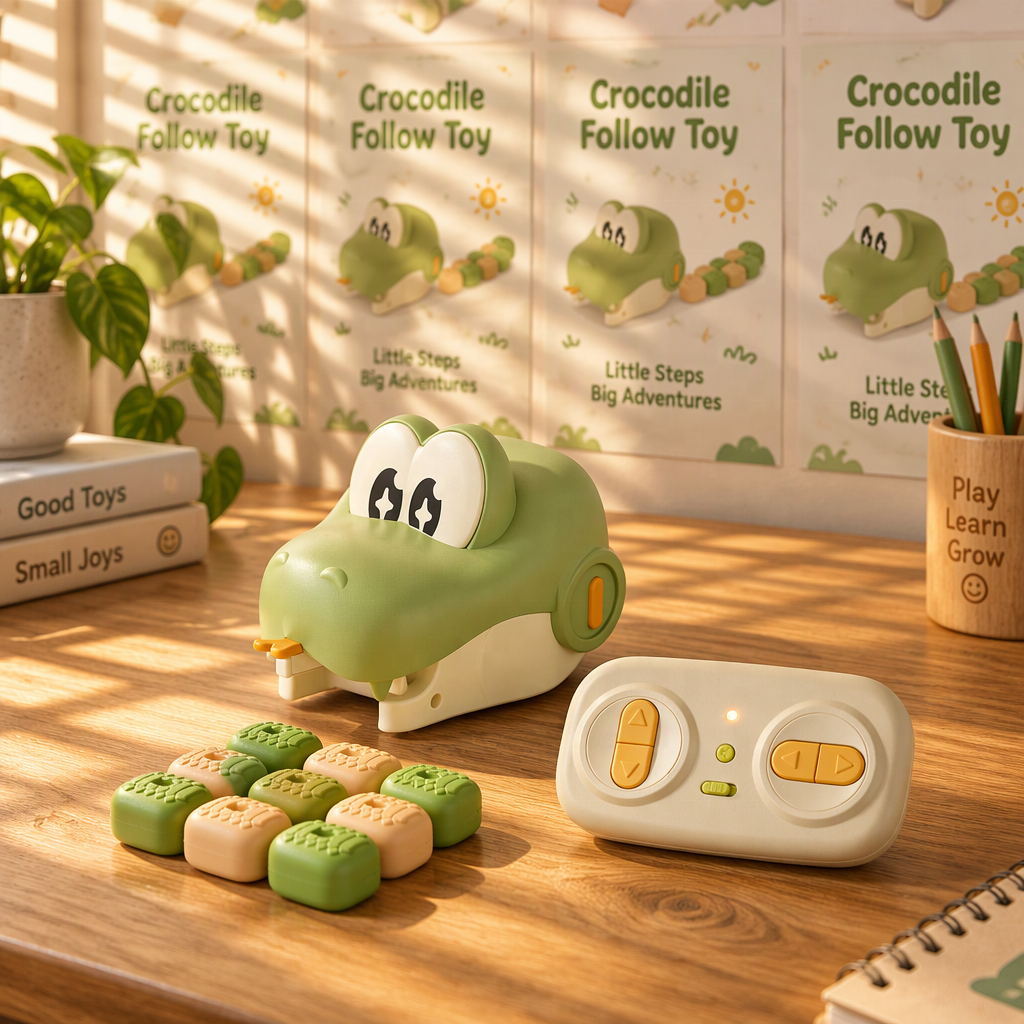
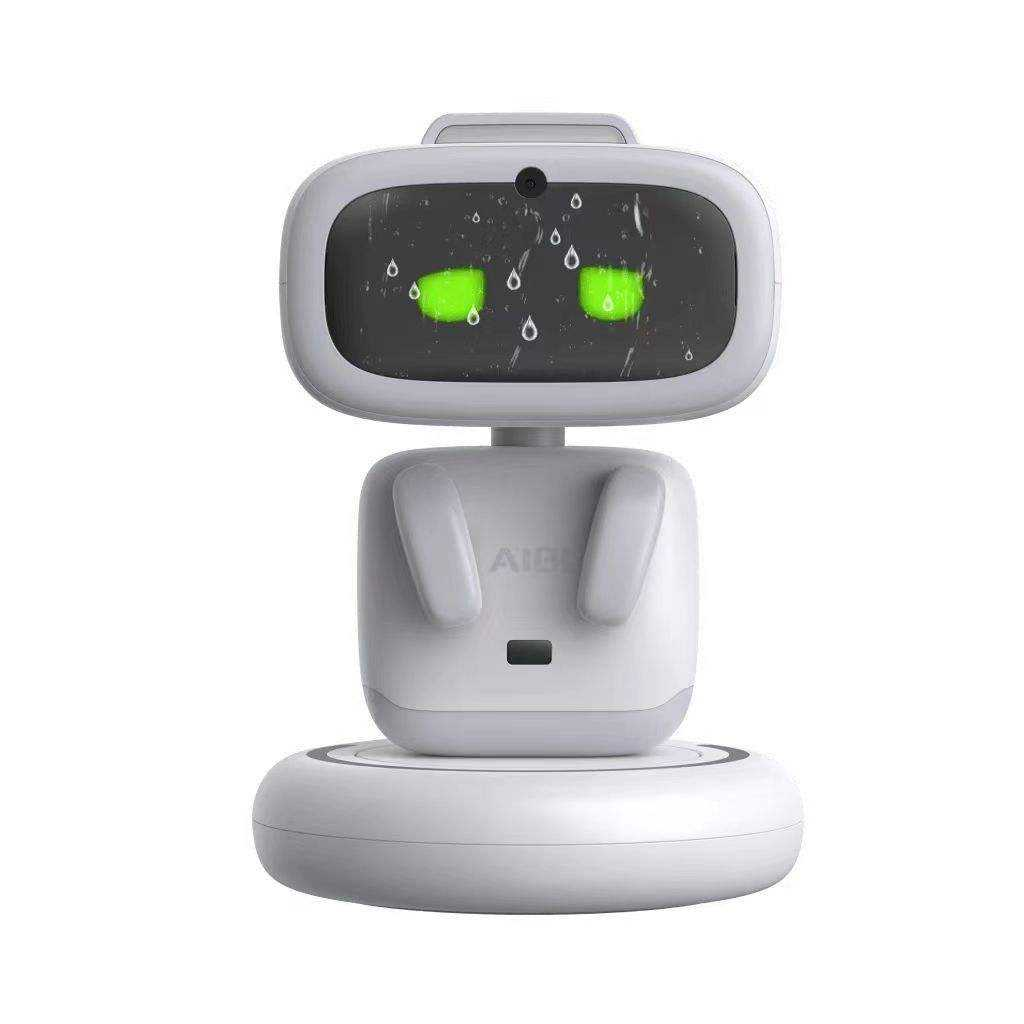
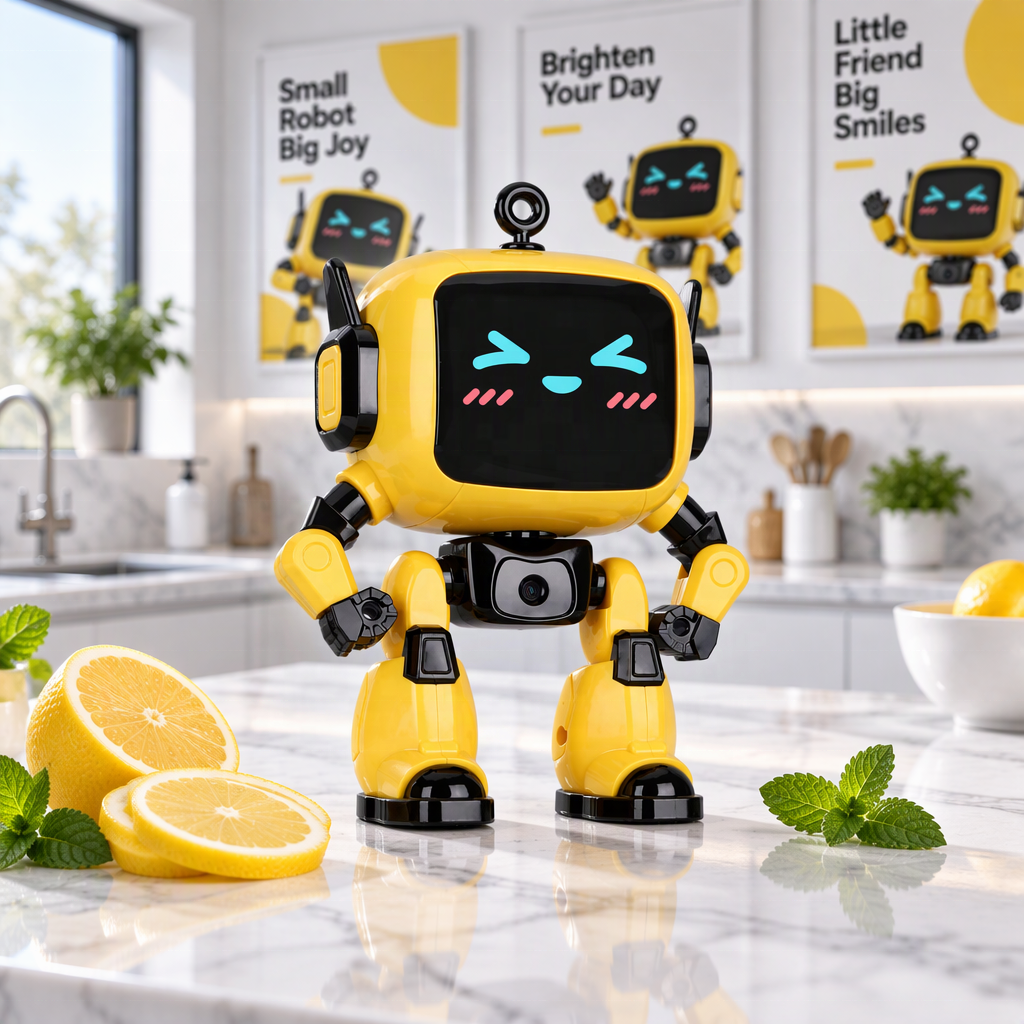
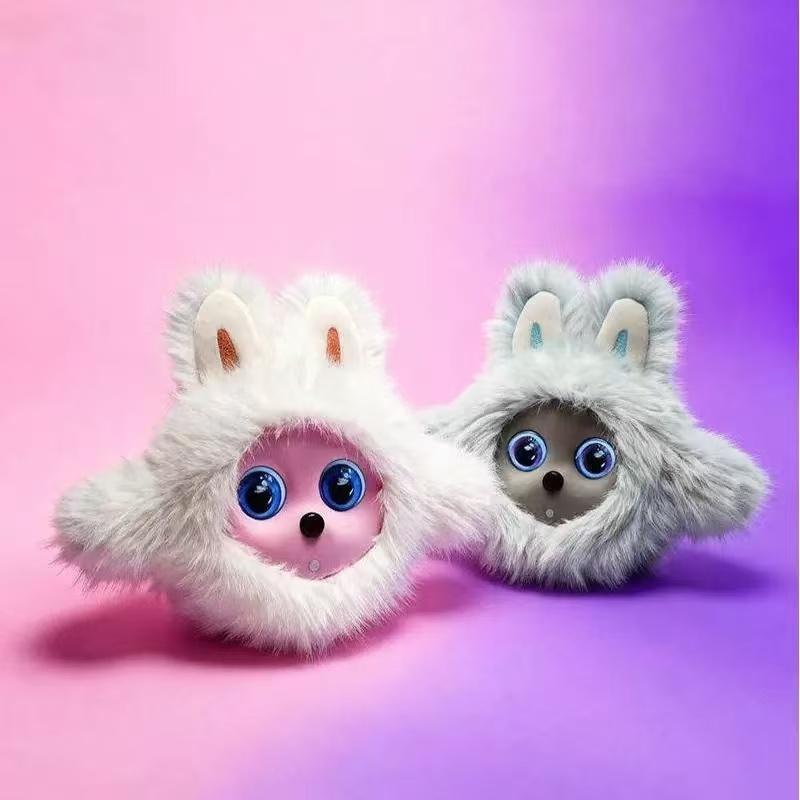
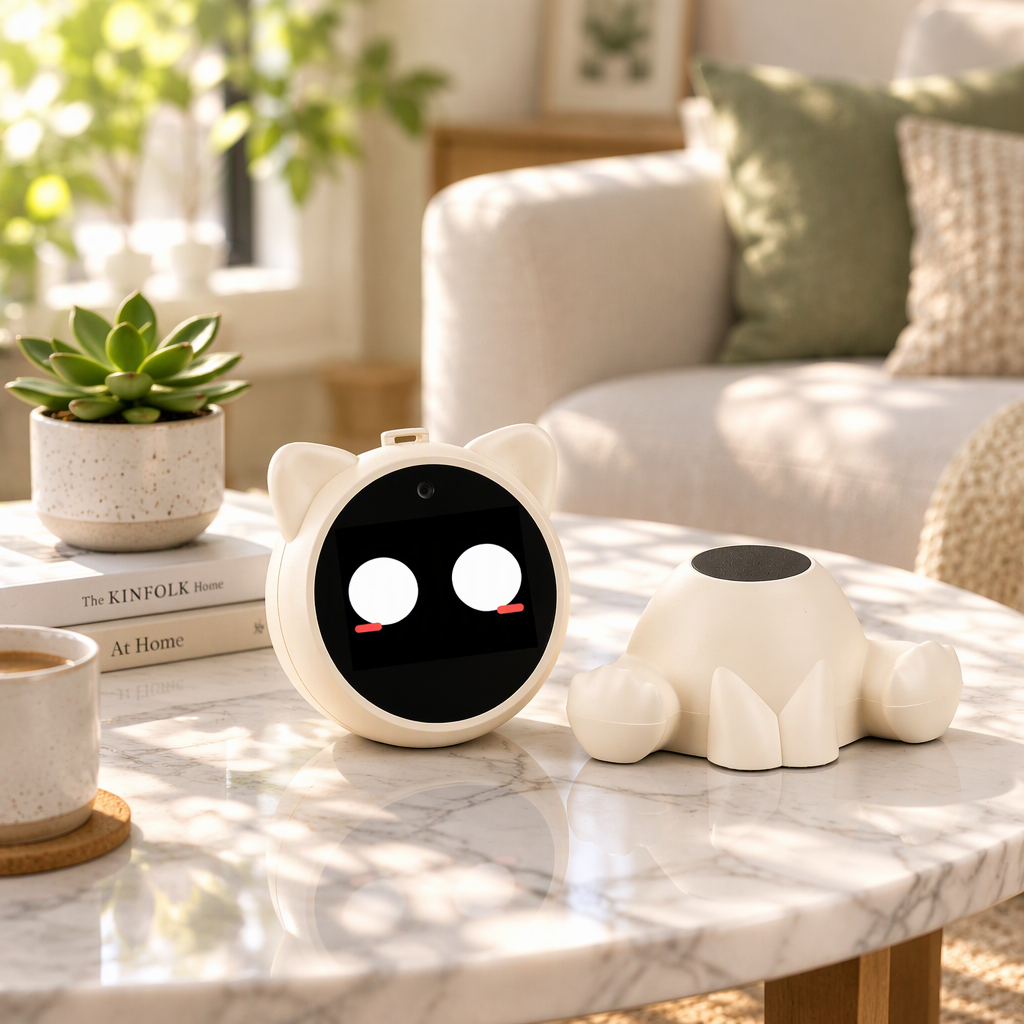
For original equipment manufacturers (OEMs), STEAM academies, and commercial software houses across Italy, controlling embedded microcontrollers with heavy C toolchains presents high maintenance overhead. The Microduck Python SDK abstracts complex register manipulation into high-performance, event-driven Python abstractions.
Our microcontrollers ship pre-flashed with the proprietary Microduck Core Daemon. The firmware operates as an asynchronous RPC (Remote Procedure Call) and WebSocket server over Bluetooth Low Energy (BLE 5.2), Wi-Fi 6, or physical UART/USB interfaces. This allows Italian robotic engineers to run deep learning, voice parsing, and gesture pipelines on host systems (Raspberry Pi, Linux Edge Servers, or Windows) while delegating real-time kinematic control to our low-latency onboard MCU.
Whether controlling facial expressions on an Estella Desk Robot or executing swarm formations across Snake-Like Electric Track networks, developers write intuitive, PEP8-compliant Python scripts with zero hardware-level compilation bottlenecks.
From Milan's design studios to Bologna's packaging and robotics corridors, our Python SDK empowers Italian enterprises to deploy bespoke interactive solutions with negligible software ramp-up times.
Educational institutions throughout Milan and Turin deploy our programmable robot dogs and conversational companions. Using native Python bindings, students write algorithms for pathfinding, object classification via OpenCV, and speech-based user interactions without confronting tedious embedded toolchains.
Italy’s Mechatronics cluster utilizes Microduck hardware skeletons as rapid testbeds. Mechanical engineering teams utilize our high-torque servo buses and Python kinematics library to prototype edge AI behaviors, sensor fusions, and tele-operational industrial concepts under real-world conditions.
Boutiques, luxury showrooms, and private practices across Rome and Florence employ customized EMO Pet and Estella Desktop units as intelligent receptionists. Powered by localized Italian LLM models, these desk pets deliver natural guest check-ins, appointments, and brand presentations.
1. Strict Demand for GDPR & EU Toy Safety (EN 71): Italian consumers and institutional buyers exhibit some of the highest privacy concerns in Southern Europe. The Microduck Python SDK is engineered with Local-First Data Processing. Speech recognition can be performed completely on-device or routed to private cloud servers based in Frankfurt or Milan, satisfying the Italian Data Protection Authority (Garante per la Protezione dei Dati Personali).
2. The Surge of Screen-Free "Edutainment": In response to digital burnout, Italian pedagogical trends emphasize tactile, screen-free learning tools. Our Python-programmable LCD plush toys and magnetic vehicle circuits allow children to explore computational logic through physical manipulation and voice interaction rather than tablets.
3. Rise of MicroPython in Technical Secondary Schools (Istituti Tecnici): Python has officially overtaken C/C++ in Italian secondary computer science curricula. Providing hardware that interfaces out-of-the-box with Python script structures allows Italian educational distributors to secure competitive tenders effortlessly.
Operating under full ISO compliance with on-site verification by TÜV Rheinland, our integrated manufacturing lines deliver precision mechatronics, custom acoustics, and verified export certification for all EU territories.
From injection mold modifications, voice persona development, and Italian packaging graphic design down to custom PCB layouts with ESP32 or Linux SoC chipsets, our engineering team manages complete product life cycles from prototype to mass tooling.
Our production facilities maintain complete compliance frameworks. We provide full Technical Documentation Files (TDF), CE Declarations of Conformity, EN 71 (Parts 1, 2, 3), EN 62115, RED (Radio Equipment Directive), and UN38.3 lithium battery transport paperwork.
We eliminate import complexities for Italian buyers. Sourcing agreements support EXW, FOB Shenzhen/Hong Kong, CIF Genoa/Naples, and turnkey DDP shipping straight to warehouses in Milan, Bologna, or Rome with customs duties and VAT handled systematically.
Direct answers addressing customs clearances, technical SDK support, minimum orders, and localization parameters.
Yes. The Microduck Python SDK is compiled to be platform-agnostic. It runs seamlessly on Raspberry Pi OS (Debian), Ubuntu ARM64, NVIDIA Jetson modules, as well as x86 Windows and macOS environments communicating over BLE, USB serial, or local TCP sockets.
All production units destined for Italy carry full CE marking backed by independent third-party lab test reports (EN 71 safety for mechanical, flammability, and heavy metals migration; EN 62115 for electric toy safety; and RED 2014/53/EU for RF wireless safety). Full MSDS and UN38.3 test summaries are provided for all integrated lithium batteries.
For standard off-the-shelf development units and evaluation samples, the MOQ is 1 piece. For custom branding, localized Italian gift box packaging, and customized pre-loaded firmware prompts, bulk orders typically start at 500 to 1,000 units depending on chassis modifications.
Our voice engines employ multi-tiered NLP stacks. For conversational toys, we integrate localized DeepSeek or ChatGPT architectures fine-tuned on Italian idiomatic speech patterns, accents, and pediatric lexicons, supporting seamless bidirectional dialogue in up to 40 languages including Italian.
We accept wire transfers via T/T, Letters of Credit (L/C), PayPal, and Escrow. We natively invoice in EUR (€) as well as USD, eliminating conversion friction for corporate buyers registered under the Italian VIES tax mechanism.
Yes. Our Shenzhen-based software engineering team offers dedicated API integration assistance, on-demand firmware patch releases, and customized Python SDK wrapper development under non-disclosure agreements (NDAs) to protect your proprietary IP.
Whether you require a single development sample for your laboratory, or a 10,000-unit private-label OEM manufacturing run with customized Italian firmware and CE-certified packaging, our cross-border engineering division is ready to assist.