Open SDK
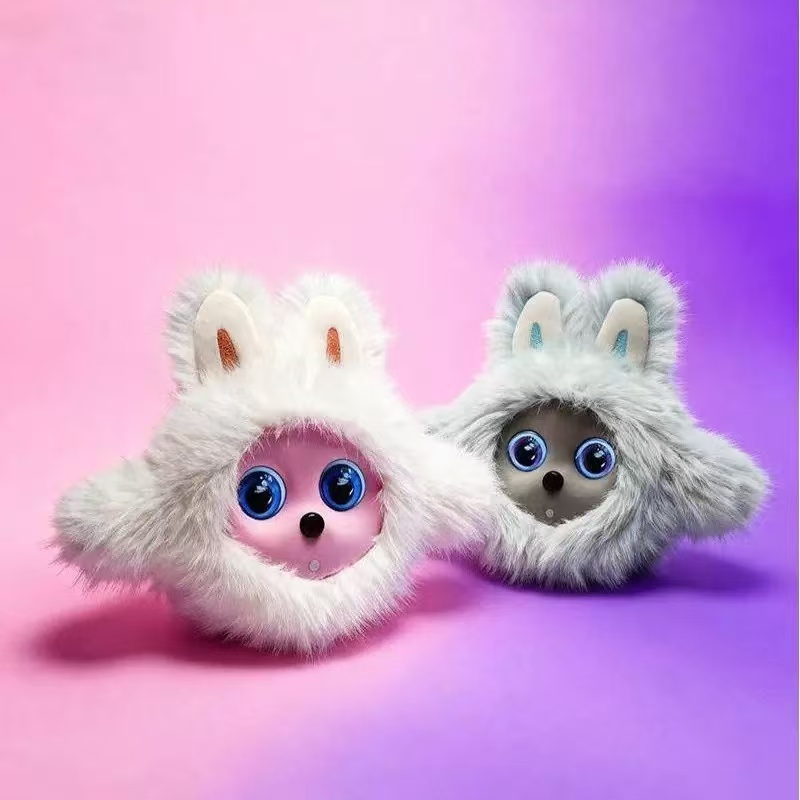
Engineered by Shenzhen MDT Technology Co., Ltd. (Microducktoys), our modular interactive robots deliver reproducible edge compute, expressive display matrices, and cloud-hybrid Large Language Model (LLM) orchestration.
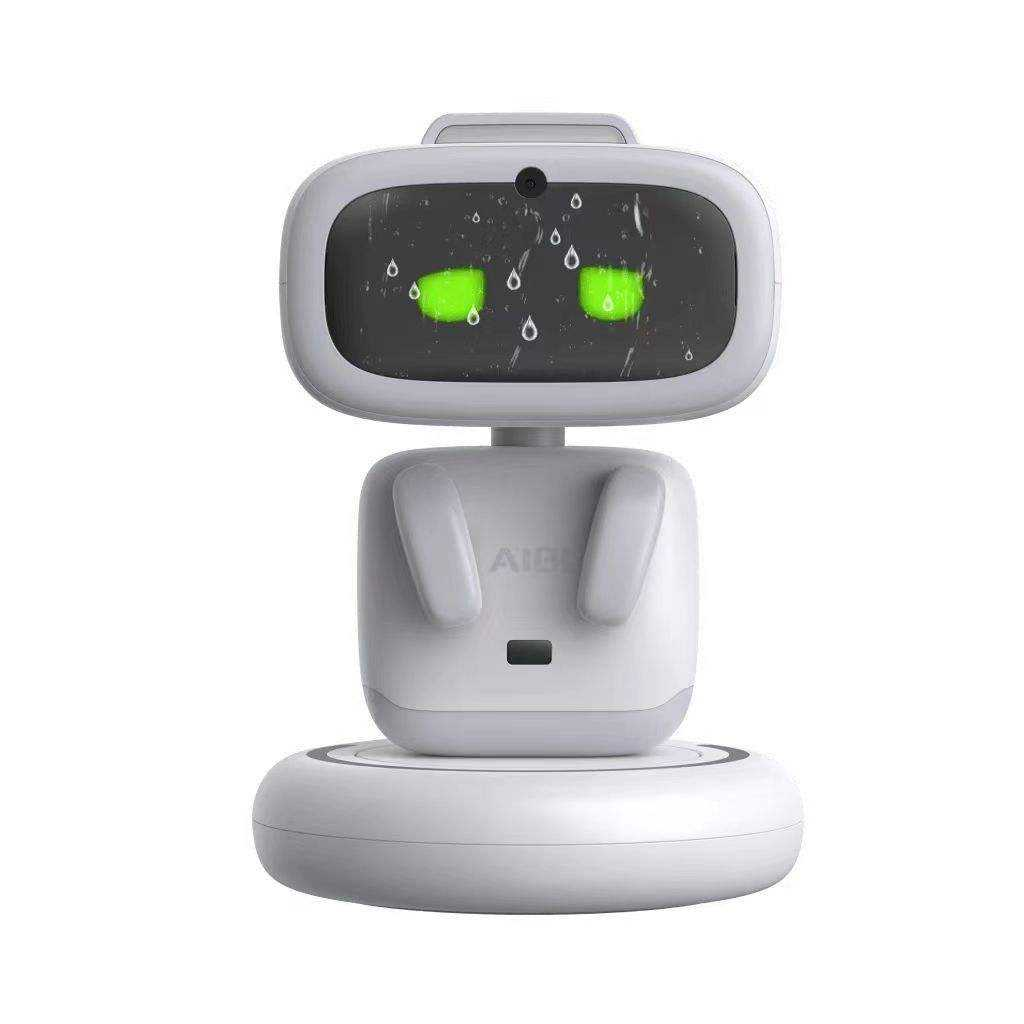
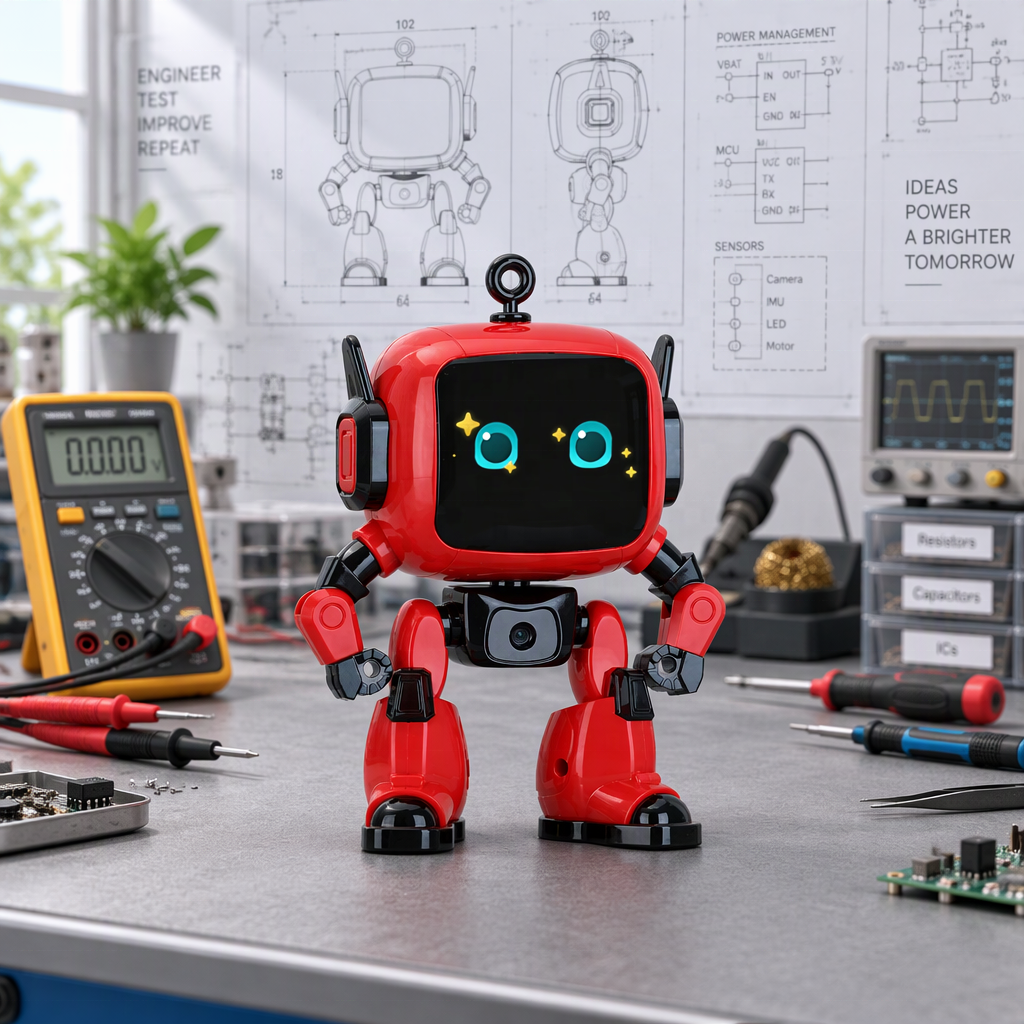
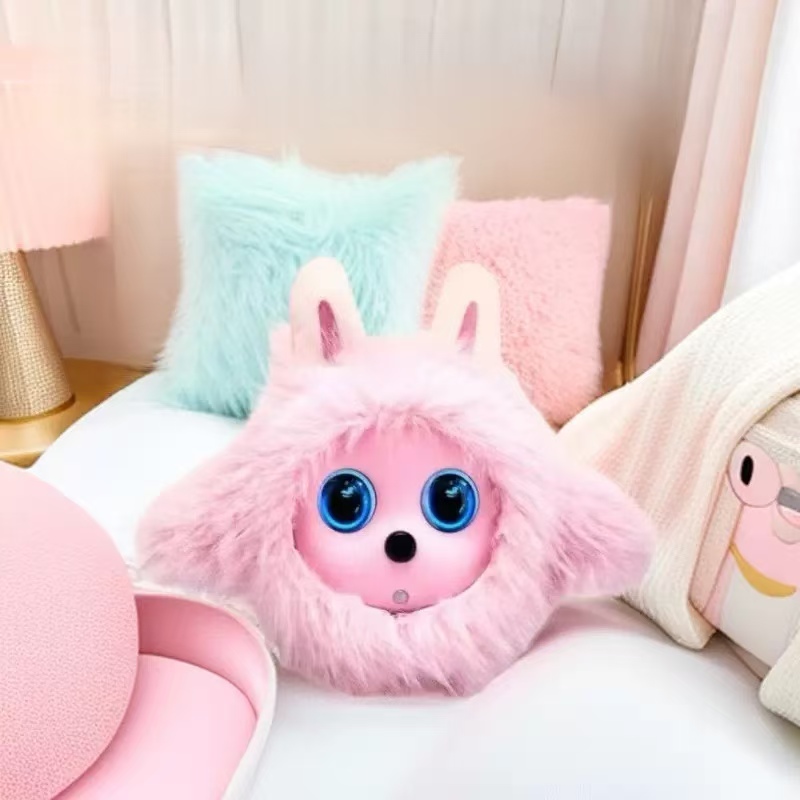
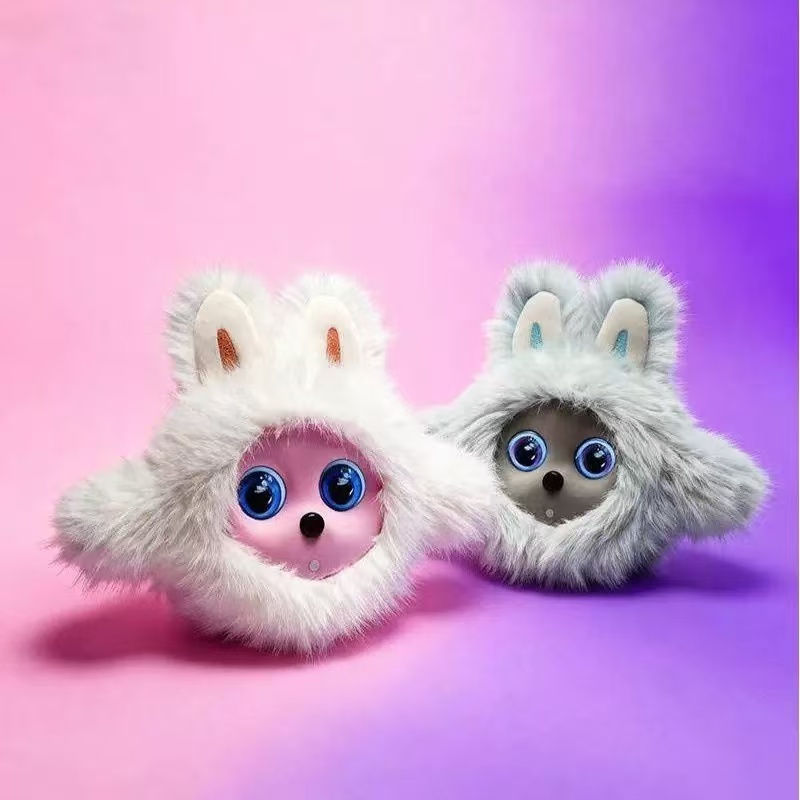

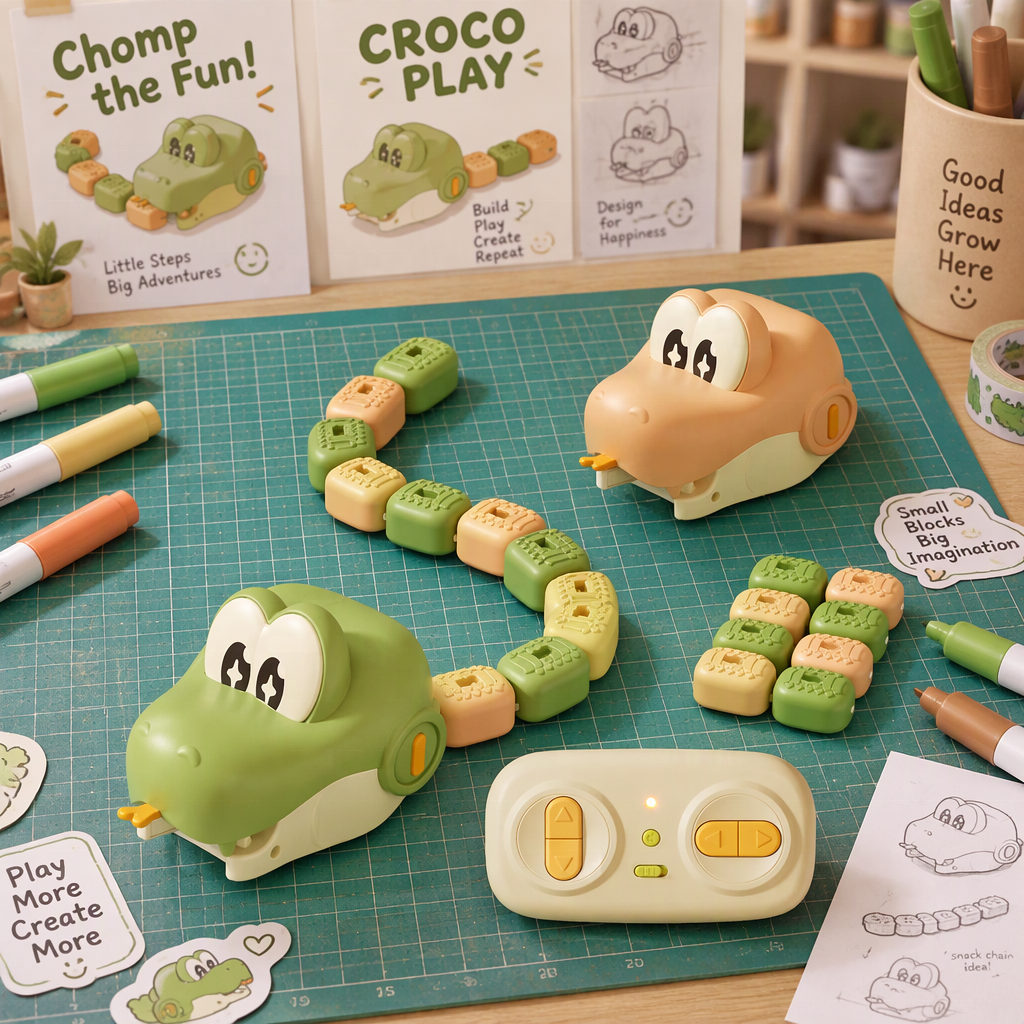
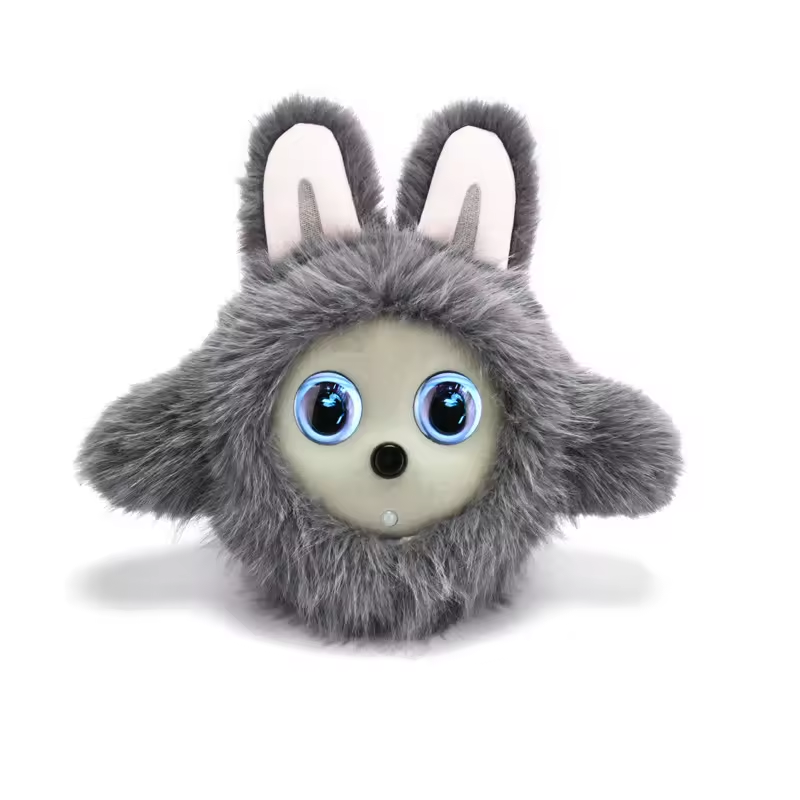
The academic sector in the Republic of Uzbekistan is experiencing historic transformations driven by the "Digital Uzbekistan 2030" state program. Leading scientific institutions, including Tashkent State Technical University, Inha University in Tashkent, and the scientific hubs of Samarkand and Bukhara, face an urgent requirement for accessible, programmable robotic hardware.
Microduck robotic architectures bridge the economic gap between fragile DIY hobbyist microcontroller boards and cost-prohibitive industrial robotic platforms. By deploying hardened commercial robotics equipped with programmable Linux/RTOS microkernels, researchers can test theories across diverse computational domains without building mechanical rigs from scratch.
From university incubators to government-backed STEAM hubs, explore how Microduck modular platforms serve academic and technological projects across Central Asia.
Researchers within cognitive science departments utilize the expressive LCD dual-eye matrix and real-time auditory synthesis to study non-verbal cues and social bonding. The soft exterior and responsive physical actions provide an ecologically valid testing framework for developmental psychology students in Tashkent.
With Uzbekistan's dual administrative language dynamics (Uzbek and Russian), academic linguistics centers deploy our 40-language neural pipeline to fine-tune automatic speech recognition (ASR) systems, testing noise-filtering resilience in urban classrooms and high-reverberation conference halls.
Incubators inside Uzbekistan's regional IT Parks leverage Microduck's open serial/Wi-Fi APIs to build foundational robotics courses. Students program continuous dialogue loops, calibrate PID motion tracking, and integrate external Python and ROS (Robot Operating System) nodes.
An authoritative analysis of technical convergence, supply-chain connectivity, and institutional adoption trends shaping educational technology investments through 2030.
Cloud dependency presents latency and privacy challenges in cross-border deployments. Research hubs are shifting toward hybrid edge-cloud topologies where wake-word detection and local sentiment scoring execute directly on internal DSP microchips, querying remote LLMs only for deep conversational synthesis.
Direct logistical corridors between Western China (Urumqi/Khorgos) and Uzbekistan (Tashkent dry ports) have lowered shipping transit times to under 10–14 days. This geographic proximity drastically cuts prototyping cycles for university engineering grants compared to European or American alternatives.
As state ministries establish stricter personal data handling frameworks for minors and educational software, scientific users demand on-premise model hosting, configurable REST endpoint redirection, and physical camera/microphone disconnect capabilities natively supported by Microduck hardware.
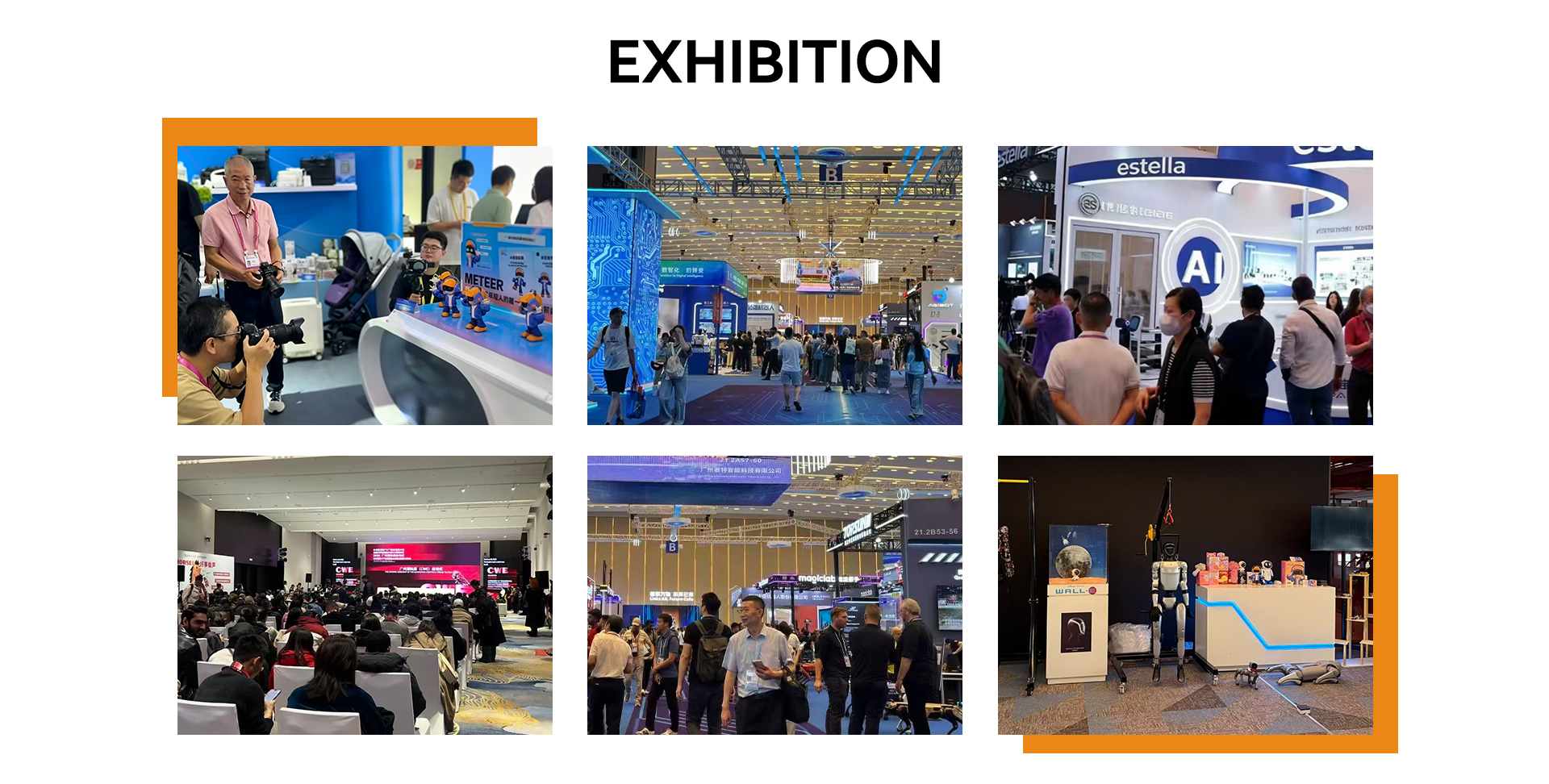
Microducktoys operates at the convergence of consumer precision and academic flexibility. With more than five years of focused engineering expertise in artificial intelligence toys, our Shenzhen facilities deliver integrated solutions covering industrial prototyping, surface-mount assembly, embedded firmware development, and international trade compliance.
Essential regulatory, logistical, and technical considerations for procurement officers, academic department heads, and independent project leaders.
Yes. While our models come pre-integrated with DeepSeek and ChatGPT cloud bridges supporting over 37 to 40 languages, our firmware architecture allows developers to redirect WebSocket and HTTP requests to private, on-premise local servers. This empowers computer science faculties to benchmark localized Uzbek dialects without data leaving campus network boundaries.
We provide full-spectrum logistics including FOB (Shenzhen/Shanghai), CFR, CIF, CIP Tashkent, and direct DDP arrangements handling customs clearance and import duties. Payment channels include T/T institutional bank wire, Irrevocable Letters of Credit (L/C at sight), PayPal, Western Union, and Escrow services, accepting USD, EUR, and CNY currencies.
All Microduck robots feature CE, RoHS, and FCC certifications. Rechargeable lithium battery packs (up to 3000mAh) are shipped with full UN38.3 test summaries, Material Safety Data Sheets (MSDS), and drop-test documentation compliant with IATA air cargo and cross-border rail shipping safety frameworks entering Central Asian ports.
Off-the-shelf development units can be ordered starting from a 1-piece sample minimum to facilitate technical evaluation and grant validation. Small-batch OEM customizations—such as localized packaging, silk-screened university logos, and custom wake-words—start at accessible thresholds negotiated per project scope.