Bestselling Microduck AI Robotic & Interactive Hardware
Engineered for brand distributors, educational toy retailers, and global technology importers. Each model is calibrated for acoustic fidelity, low-latency intelligence, and rigorous physical safety.
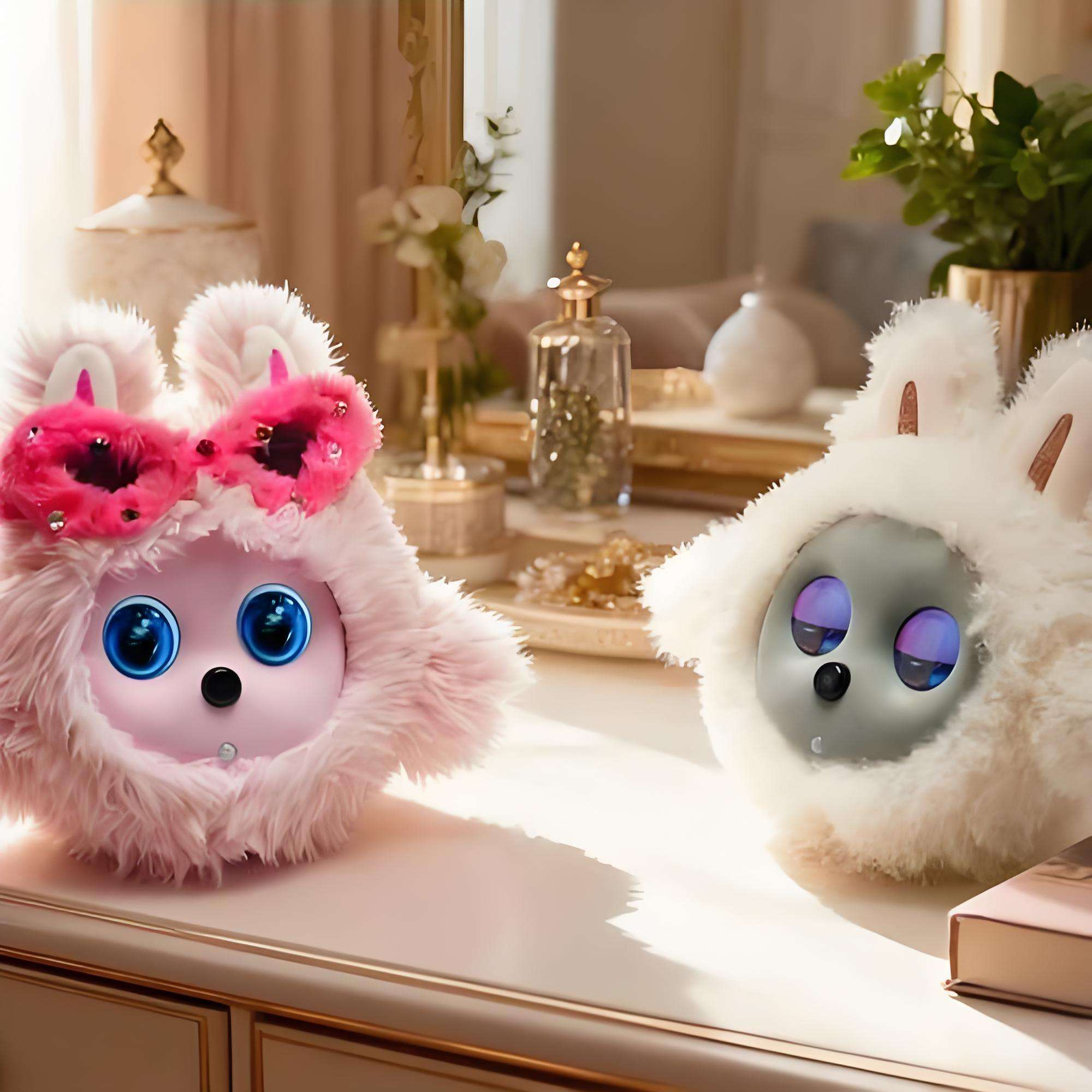
CE FCC Certified AI Robot Plush Toy LCD Eyes Storytelling Rechargeable Educational Toy for Kids 7 12
Combines dual animated LCD ocular displays with embedded storytelling engines and natural speech synthesis. Features skin-friendly hypoallergenic fabric.
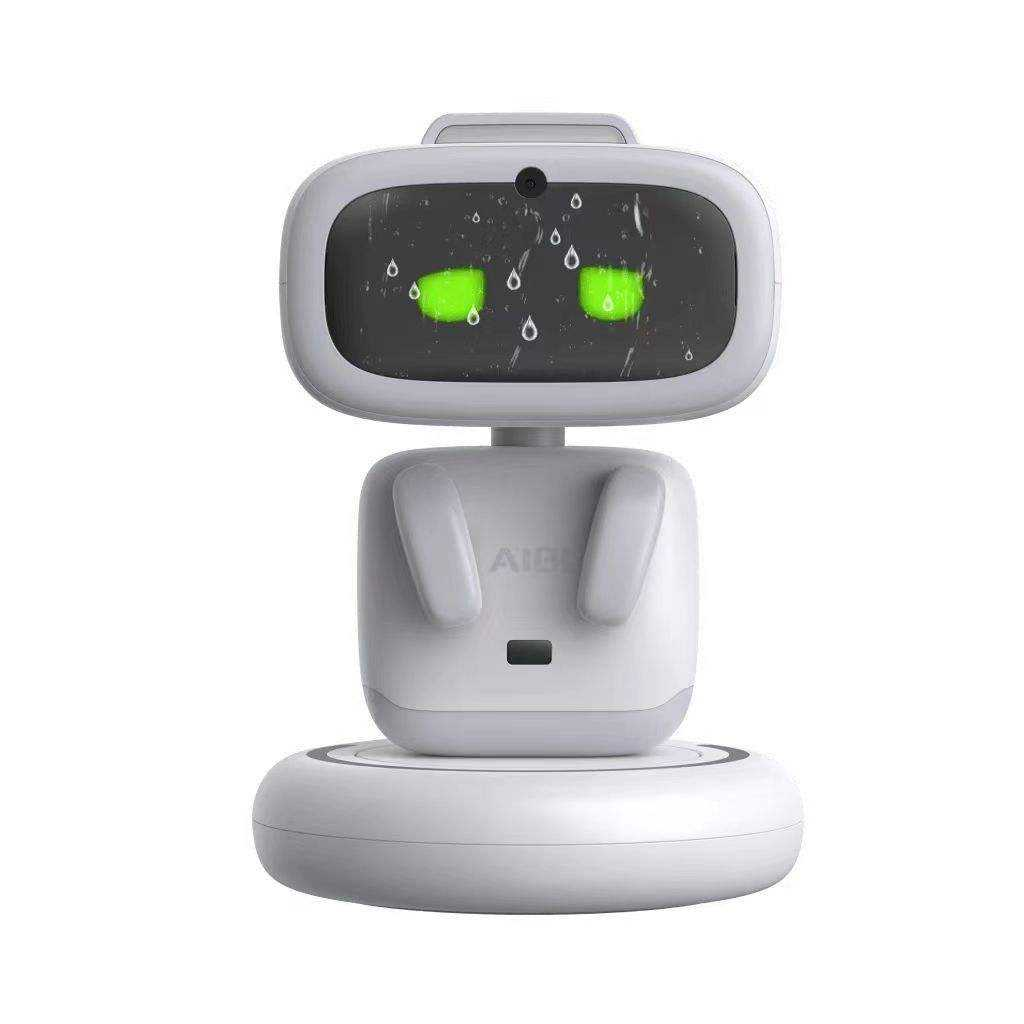
Estella Smart AI Desk Robot Interactive Pocket Pet Voice Interaction Emotional Expressions Rechargeable Toy Ages 7-12
Compact companion robot featuring dynamic capacitive touch sensors, edge-computed biometric facial mimicry, and contextual emotional response engines.
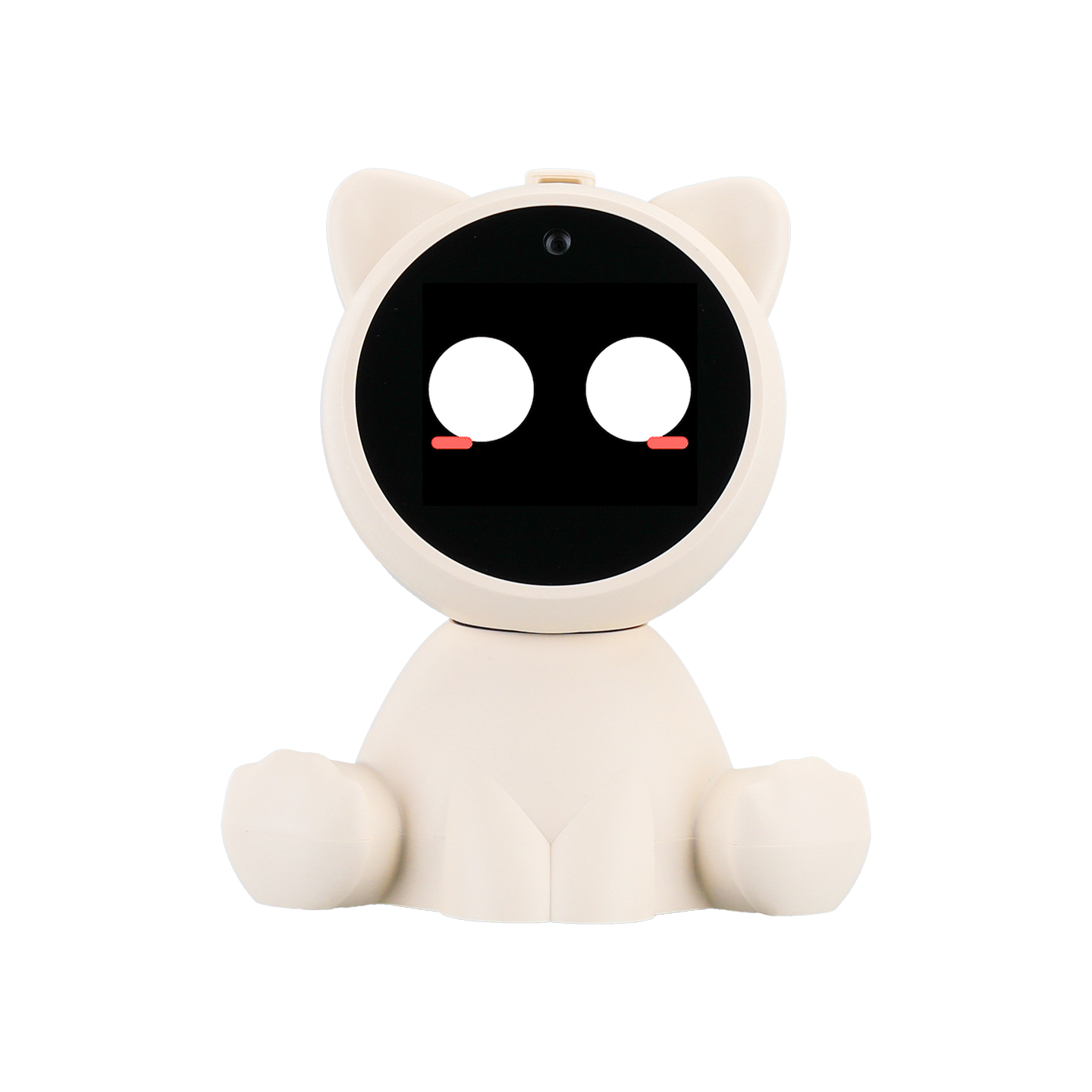
Quiet Time AI Talking Cat T23 Digital Pet Robot Voice Chat Calm Play Bedtime Companion for Children Bedroom
Bedtime bio-rhythm interactive companion with low-frequency acoustic filters, white-noise generation, and conversational bedtime storytelling.
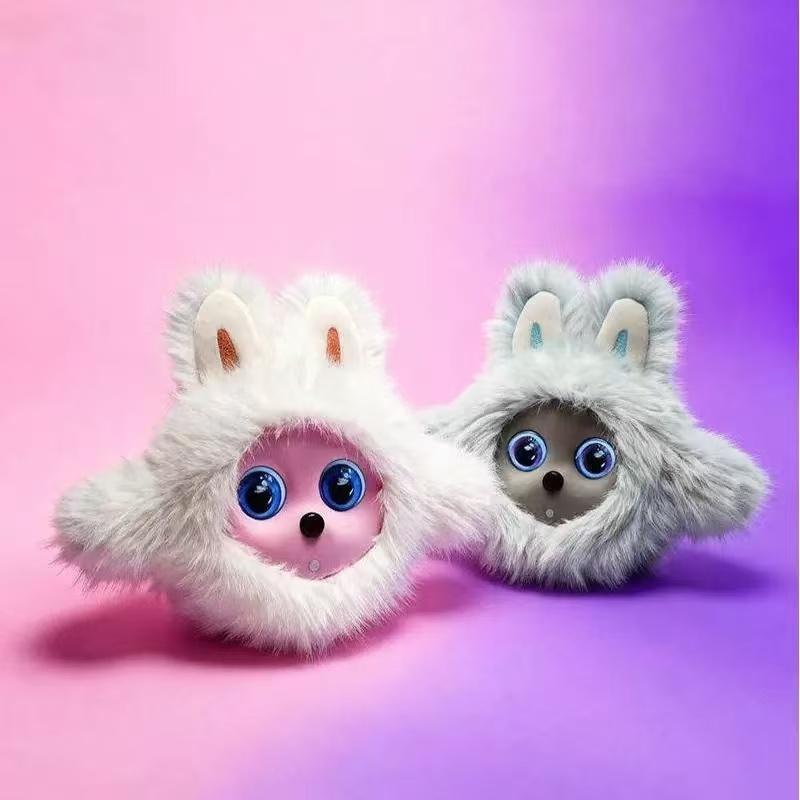
LCD Talking Eyes Robot Plush Toy Rechargeable AI Companion Storyteller Washable Cover for Kids Birthday Gift
Detachable structural chassis allowing full shell sanitization. Features high-density digital animated eyes synchronized to multi-lingual speech audio.
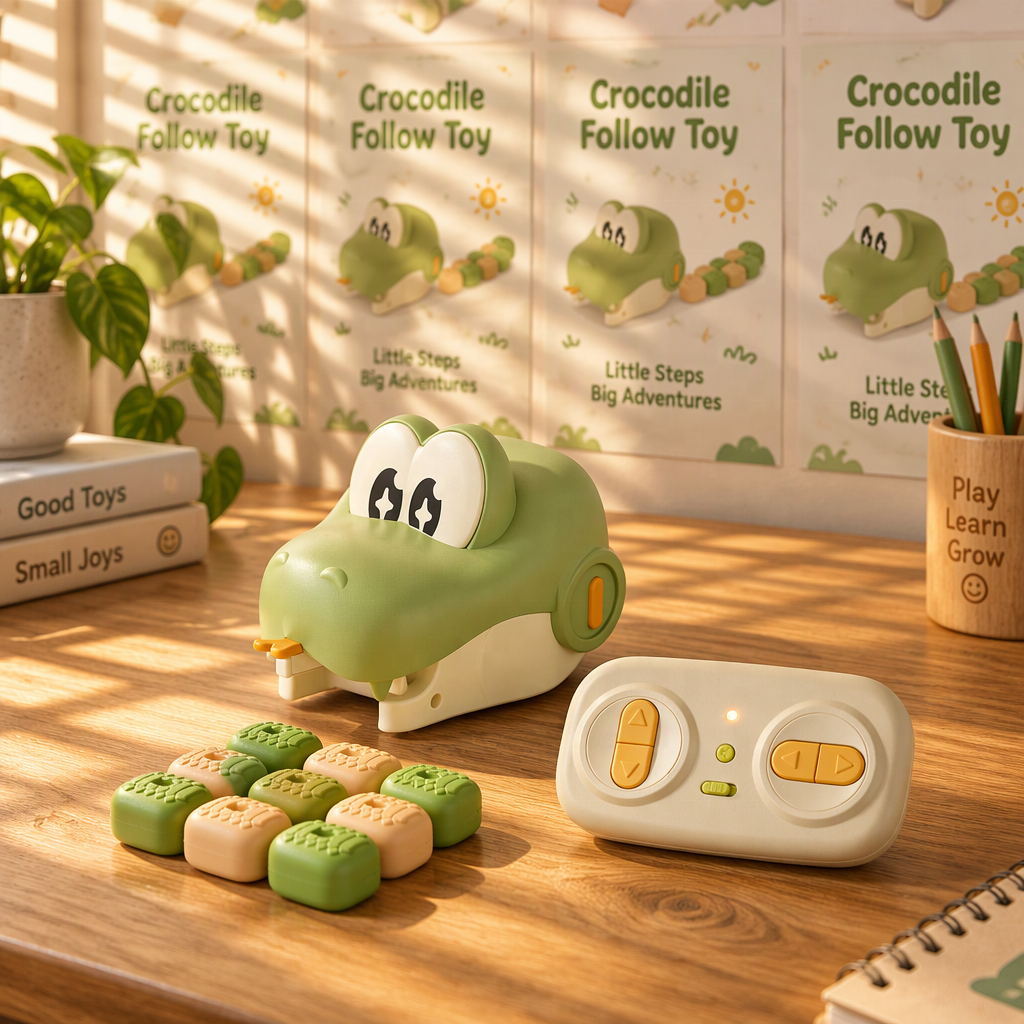
Magnetic Snake-Themed Remote-Control Car Toy Two-Player Battle for Boys "Hungry Bean" Puzzle Birthday Gift for Kids
Dynamic competitive robot game pairing magnetic modular linkages with anti-interference 2.4GHz RF transceivers. Ideal for sensory coordination development.
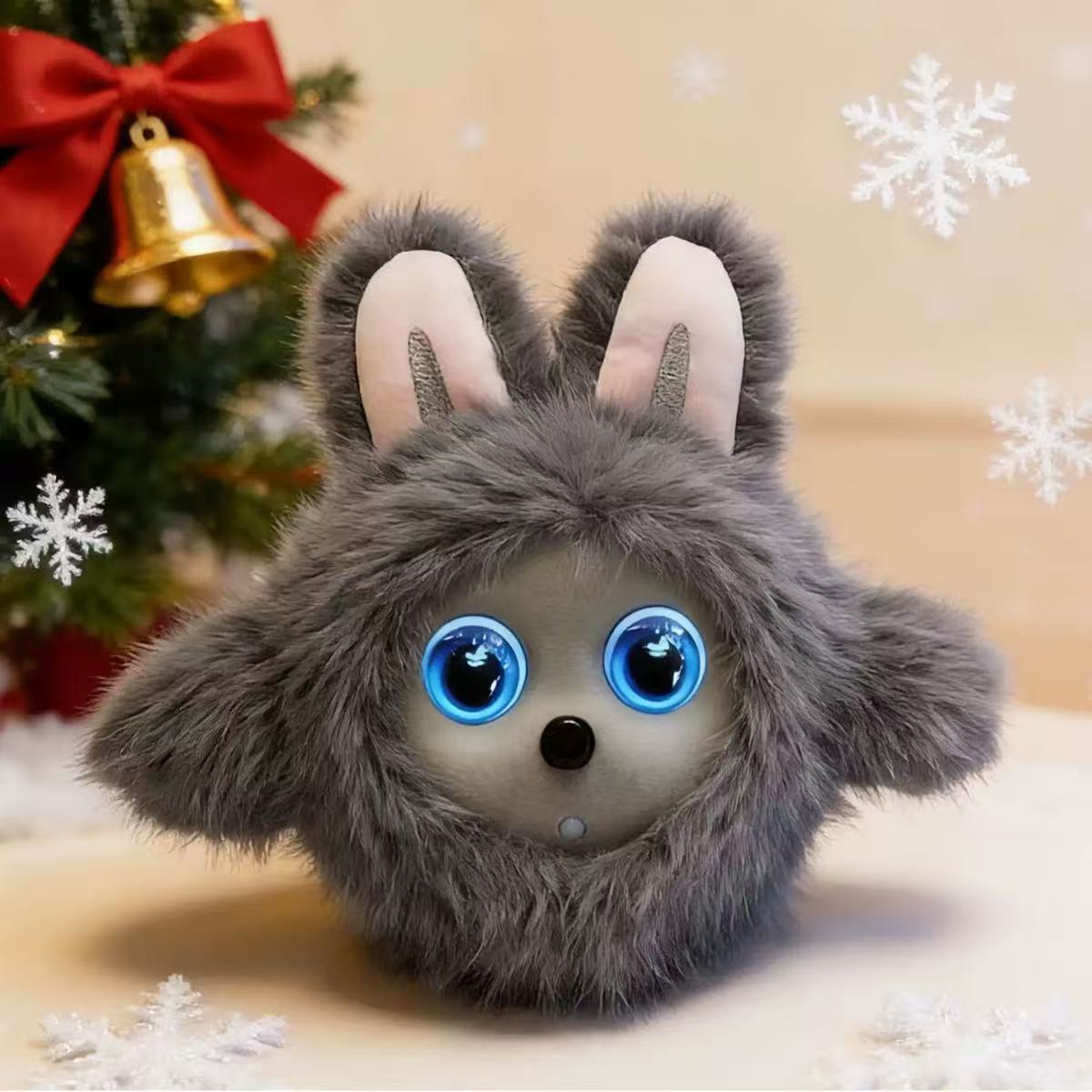
Oft Plush AI Robot Toy with LCD Eyes Storytelling Voice Chat Rechargeable Battery Educational Companion Kids
Integrated with high-efficiency edge voice-recognition algorithms, enabling uninterrupted dialogue without continuous wireless network bandwidth demands.

Estella Smart AI Desk Robot Interactive Pocket Pet Voice Interaction Emotional Expressions Rechargeable Toy for Ages 7-12
Miniature desktop robotic hardware featuring high-resolution micro-OLED expression rendering, dynamic obstacle sensing, and interactive voice dialogue.
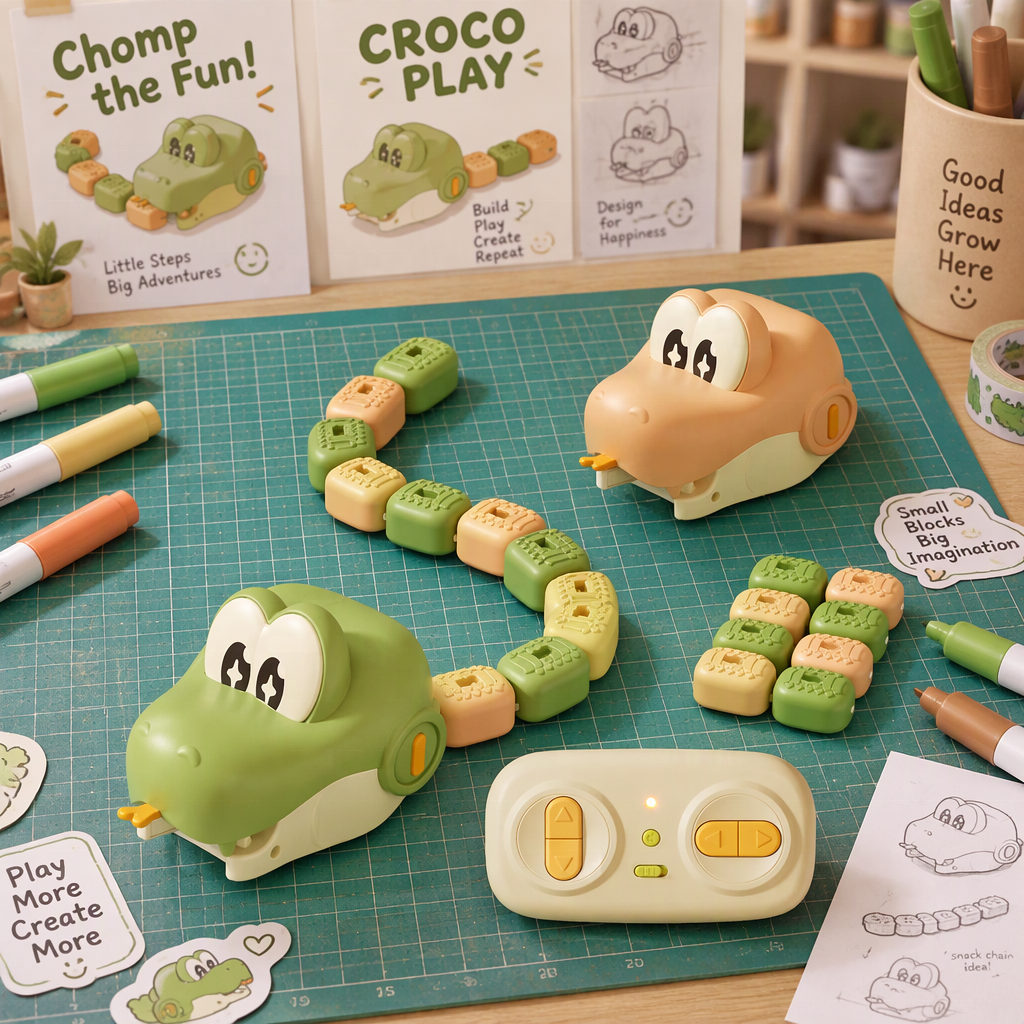
Remote-Controlled Hungry Snake Game: Magnetic Snake-Chasing Adventure Set for Interactive Head-to-Head Play
Kinematic modular battle mechanics with real-time score arbitration, magnetic capture triggers, and heavy-duty gearboxes engineered for commercial play testing.
Industrial Whitepaper: The Microduck Robotics Manufacturing Ecosystem
The global juvenile smart hardware and interactive consumer robotics marketplace is undergoing a structural paradigm shift. Where legacy smart toys once relied on static, hard-coded sound microcontrollers (Mask ROM ICs) and primitive switch sensors, modern connected juvenile platforms require edge-computed neural inference, spatial tracking, low-power multimodal LLM ingestion (such as ChatGPT and DeepSeek models), and airtight child data security protocols. As the specialized manufacturing arm operating under Shenzhen MDT Technology Co., Ltd. (Microducktoys), our engineering facility delivers an integrated hardware-software architecture tailored specifically to the rigorous standards of international consumer electronics importers, educational distribution networks, and tier-1 retail brands.
Building interactive hardware platforms like the microduck robot platform series requires far more than generic contract injection molding. It necessitates a holistic synthesis of acoustic engineering, electro-mechanical design, embedded wireless transceiver tuning, firmware lifecycle support, and specialized functional textile manufacturing. Our mission is to bridge complex frontier AI capabilities with robust, drop-tested physical products that exceed consumer expectations while adhering strictly to international consumer safety frameworks including CE (EN71 parts 1, 2, 3), FCC Part 15B/15C, CPSIA, RoHS 2.0, REACH, and UKCA.
"Modern smart toy procurement is no longer driven solely by initial unit bill-of-materials (BOM) cost. Enterprise profitability hinges upon edge voice latency, international battery transportation compliance (UN38.3 / MSDS), post-sales firmware security, and localized regulatory compliance across North America, the European Union, and emerging digital economies."
Architectural Hardware Foundations of the Microduck Platform
At the center of our microduck robot platform engineering is a proprietary modular architecture. Rather than redesigning motherboards from scratch for each casing silhouette, our platform utilizes an extensible, multi-layer Main Controller Unit (MCU) architecture that separates high-frequency wireless processing from low-noise audio amplification and digital servo control. This platform-based design strategy provides OEM and ODM partners with five foundational technical pillars:
- Acoustic Echo Cancellation (AEC) & Far-Field Voice Pick-Up: Robotic bodies generate internal motor hum and vibration. Our acoustic chambers isolate the internal speaker from high-sensitivity MEMS microphone arrays using silicon dampening mounts. Hardware-level beamforming and AEC algorithms ensure the robot accurately detects children's vocal commands even during dynamic playback of bedtime stories or lively background music.
- Edge-Cloud Hybrid Neural Processing: For basic offline games, wake-word activation, and sound localization, low-power edge microprocessors execute lightweight inference locally. When complex cognitive storytelling or multi-lingual conversational English tutoring is required, encrypted dual-band Wi-Fi (2.4GHz/5.8GHz) or BLE 5.3 modules connect through enterprise-grade REST APIs to models such as ChatGPT, DeepSeek, or custom proprietary private LLMs.
- Dynamic Expression Kinematics: Ocular realism is essential for young user engagement. The microduck robotics platform utilizes custom-developed SPI-driven LCD displays and micro-OLED panels running at 60 FPS. These screens render non-verbal emotional cues—ranging from joy and curiosity to fatigue—synchronized millisecond-by-millisecond to synthesized vocal inflection.
- Mechanical Redundancy & Impact Damping: Interactive toys endure high-impact drops, mechanical torsion, and tensile stress. Our internal drivetrains, magnetic linkage joints, and articulating limbs are engineered with POM (polyoxymethylene) gears and clutch-protected servo motors, preventing gear stripping when curious children physically resist automated limb motions.
- Thermal Dispersion Inside Plush and Enclosed Plastics: Combining high-density lithium polymer chemistry with microprocessors inside soft plush materials or dense ABS plastic creates thermal retention risks. We implement thermal-relief PCB routing, low-power silicon sleep states, and secondary hardware thermistors that cut charging current should cell temperatures exceed 45°C.
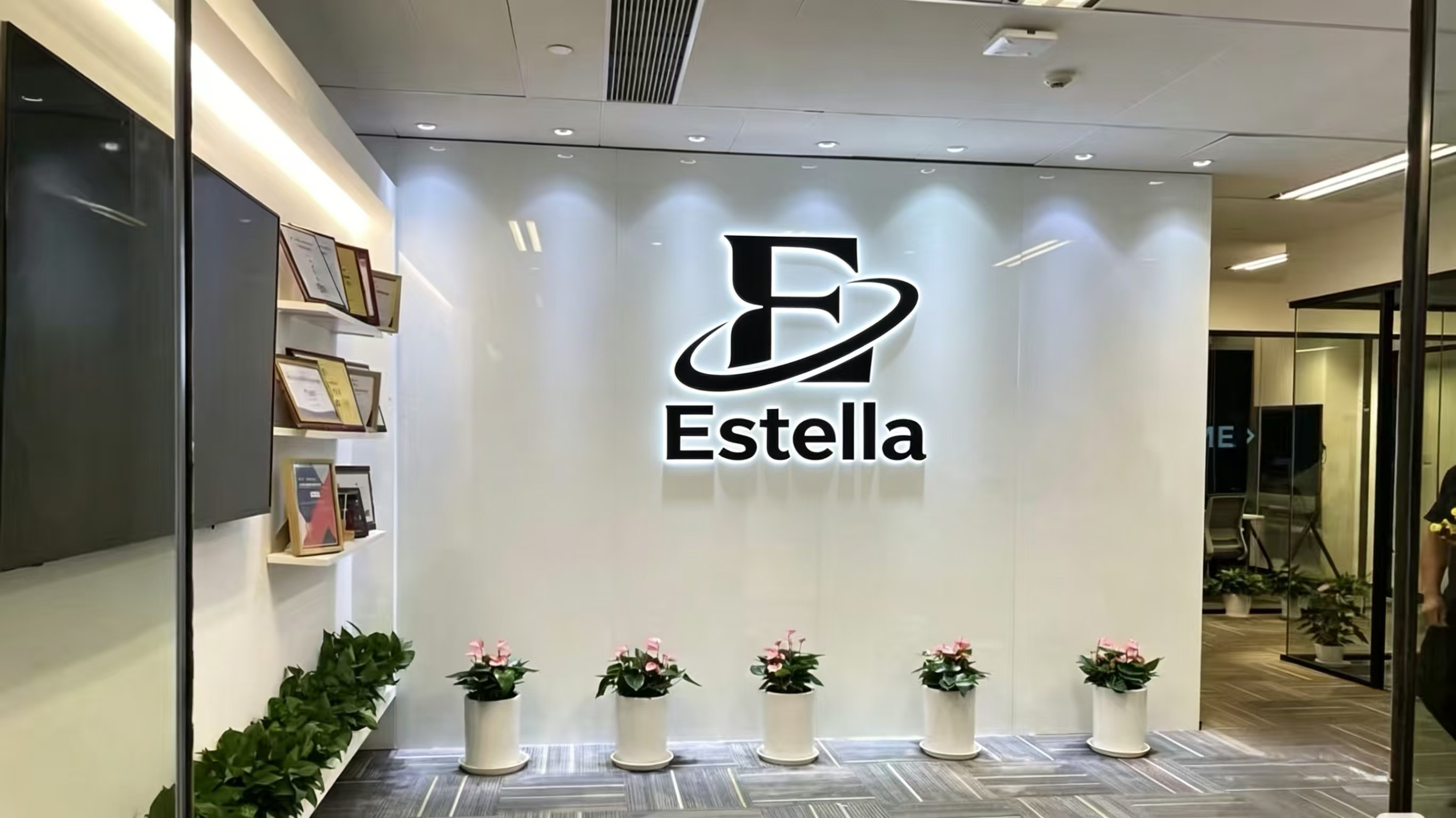
On-Site Verified Factory Capacity
Our operational headquarters and verified partner manufacturing network in Shenzhen, Guangdong, are independently evaluated on-site by TÜV Rheinland. This external scrutiny confirms our production capacity, cleanroom assembly standards, ESD (electrostatic discharge) safety controls, and end-to-end traceability of components from tier-1 silicon distributors.
Whether sourcing off-the-shelf catalog models with custom private branding from small evaluation batches or commissioning a clean-sheet industrial design prototype with specialized injection tooling, MDT Technology provides the engineering documentation, failure mode and effects analysis (FMEA), and testing validation required by major global retailers.
Future Procurement Trends in Interactive Toy Robotics
Strategic analysis for B2B category managers, supply chain directors, and consumer electronics sourcing agents preparing for 2025–2030 inventory cycles.
1. Shift to Low-MOQ Agile Sourcing Models
Large-batch container ordering without preliminary consumer validation creates extreme markdown risk. Enterprise procurement now demands 1-piece to 50-piece rapid sampling, followed by flexible pilot runs (100–500 units) to validate sell-through rates across e-commerce marketplaces before scaling to ocean container freight.
2. Zero-Retention Child Privacy Protocols
Global regulatory bodies (US FTC COPPA 2.0, European GDPR-K, and California Age-Appropriate Design Code) enforce severe penalties for unconsented biometric or vocal storage. Sourcing managers increasingly select platforms like Microduck that utilize stateless API relays and local voice processing to prevent personal identification leakages.
3. Modular Skin & Electronic Core Decoupling
Hygiene standards in pediatric and early childhood retail require sanitizable products. Modern procurement guidelines favor toys with completely removable, machine-washable plush skins surrounding a self-contained, drop-resistant electronic robot core, significantly reducing warranty return rates caused by dirt or surface spills.
4. Demand for Multi-Lingual STEAM Capabilities
The convergence of companionship and language education has made multi-language conversational fluency a baseline expectation. Importers now prioritize hardware engines capable of fluidly code-switching across 37 global languages, enabling a single SKU tooling set to serve multiple distribution territories spanning the EU, Latin America, and Southeast Asia.
5. Nuanced Emotional & Companion Computing
Consumer demand is moving beyond simple question-and-answer robotic assistants toward responsive companion pets. Robotic hardware now incorporates pseudo-random behavioral algorithms, tactile affection recognition, and spatial curiosity, turning desktop pets and plush toys into daily companion items for teens and adults as well.
6. Rigorous Dangerous Goods Documentation
Air-freight couriers and sea container lines enforce strict safety audits for integrated lithium-ion cells. Sourcing directors rely on factories that provide fully certified UN38.3 test reports, 1.2-meter drop test certifications, and verified safety data sheets (MSDS) directly from accredited third-party testing laboratories before goods leave the port.
Technological Evolution: From Scripted Toys to Contextual Microduck Robotics
Understanding where the interactive robotics industry is heading allows procurement professionals to position their brands ahead of market commoditization. Over the past twenty years, toy automation transitioned through three distinct evolutionary eras, with the current phase representing the most lucrative commercial inflection point for international buyers:
Generation 1: Mechanical Scripting (Pre-2015)
Traditional motorized toys operated on static cam-gear mechanisms and read-only sound memory. Any voice playback was initiated by simple pressure switches, offering zero contextual dialogue, zero learning adaptability, and a rapid decline in child engagement after the initial novelty faded.
Generation 2: Connected App Toys (2015–2022)
Toys incorporated basic Bluetooth links requiring tethered tablets or smartphones. While this expanded content updates, it added screen-time friction and introduced Bluetooth pairing stability issues that resulted in high product return rates for mass-market retailers.
Generation 3: Contextual Multimodal Platforms (Current MDT Standard)
The contemporary microduck robot platform operates completely standalone or semi-autonomously. With on-board neural speech processing, natural language synthesis, dynamic graphical eyes, and direct micro-cloud integration, these robots understand conversational intent, correct grammar during English lessons, adjust their emotional tone, and build long-term attachment with users.
Total Cost of Ownership (TCO) & Bill-of-Materials Optimization
When engineering and manufacturing robots for global consumer markets, our engineering team balances component quality against target retail MSRP margins. Sourcing managers must evaluate four core cost buckets beyond standard ex-works production pricing:
- Tooling Amortization vs. Mold Cavity Lifespans: MDT's in-house tooling facilities use high-grade H13 hardened steel for structural internal chassis and mirror-polished S136 cavity steel for exterior optical components and casings. This ensures dimensional tolerance consistency across production runs exceeding 500,000 units.
- Inference Token & Server Infrastructure Costs: For ChatGPT or DeepSeek enabled companion toys, recurring API token costs can erode margins if unmanaged. Our firmware implements client-side silence-detection thresholds, audio packet compression, and query filtering that reduce server bandwidth consumption by up to 60%.
- AQL 0.4/1.5 Electronic Inspection Routines: Electronic toy returns can quickly damage distributor profitability. Every microduck robotics SKU undergoes a 4-tier functional checkpoint: automated motherboard circuit testing (ICT), acoustic sweep analysis in sound isolation boxes, 100% full-cycle battery burn-in testing, and drop-and-tumble physical stress testing.
- Comprehensive Export Packaging Engineering: Retail shelf presence requires eye-catching packaging that also withstands intermodal freight vibrations. We engineer drop-tested ISTA-1A compliant retail blister and rigid cardboard gift box configurations, optimizing volumetric CBM efficiency inside 20GP, 40GP, and 40HQ ocean containers.
Frequently Asked Questions for Wholesale & OEM Sourcing
Key commercial, technical, and regulatory clarifications for international purchasing managers and brand owners.
What is the minimum order quantity (MOQ) for sampling versus mass production?
Standard catalog units can be sampled starting from 1 piece for bench testing, acoustic evaluation, and retail buyer presentations. For private-label logo silk-screening and customized packaging runs, our standard minimum starts at 200 to 500 units. Full ODM exterior housing modifications, custom tooling molds, or unique plush fabric developments begin at project-specific tiers confirmed upon reviewing your 3D CAD/industrial specification files.
Can the AI dialogue engine be localized for non-English target markets?
Yes. Our voice processing architectures can be integrated with localized multilingual language platforms supporting up to 37 distinct languages, including Spanish, German, French, Portuguese, Arabic, and Japanese. Custom system wake words, conversational tone parameters, regional dialects, and specialized educational curricula can all be defined in your product brief.
Which international safety and compliance certificates accompany shipments?
Our production facilities operate under audited ISO 9001 systems, and our product catalog is engineered to comply with major export directives. Available certifications include CE marking, FCC Part 15B/15C, RoHS 2.0, REACH, and EN71 safety testing. For US educational shipments, CPSIA test documentation and ASTM F963 compliance reports can be coordinated through accredited test laboratories like SGS or Intertek.
How do you handle dangerous goods air-freight compliance for lithium batteries?
All microduck robotics products utilize certified lithium-ion cells tested in accordance with UN38.3 standards, with complete MSDS (Material Safety Data Sheets) and 1.2m drop test documentation. Whether shipping via DHL express, air freight cargo under Section II of PI967, or consolidated ocean container freight, full compliance paperwork is provided to prevent customs holds.
Can we integrate our company's proprietary app or server infrastructure?
Yes. We offer complete firmware customization. Our software engineering team can flash your dedicated endpoints, integrate custom secure tokens, and rebrand companion iOS and Android software. We also offer full technical documentation for clients wishing to build their own unique application layer on top of our BLE/Wi-Fi robotics hardware.
What international commercial incoterms and trade currencies are supported?
We support a broad range of standard commercial incoterms: FOB Shenzhen, EXW, CFR, CIF, CPT, CIP, DDP, and DDU, in addition to international door-to-door express parcel deliveries. Settlement currencies include USD, EUR, GBP, AUD, CAD, HKD, and CNY via telegraphic transfer (T/T), confirmed irrevocable letters of credit (L/C), PayPal, and corporate escrow.
What is the standard production lead time from order confirmation to dispatch?
Off-the-shelf samples dispatch within 2 to 4 business days. Small-batch customized logo and packaging orders typically run within 14 to 21 business days. Large-volume production runs (5,000+ units) requiring dedicated injection molding cycles, custom textile dye lots, and SMT assembly lines are scheduled on a standard 30 to 40-day delivery timeline.
How does the factory protect intellectual property (IP) for custom ODM tooling?
Shenzhen MDT Technology Co., Ltd. enters into legally binding Non-Disclosure Agreements (NDAs) prior to receiving proprietary design files. Custom tooling molds paid for by clients remain their exclusive property. We enforce isolated tooling custody, strict production run tracking, and strict compartmentalization of proprietary firmware files to ensure your designs remain fully protected.
Launch Your Custom AI Robotics Platform Today
Connect directly with our engineering team to evaluate physical samples, discuss API integration architectures, request detailed BOM breakdowns, or review factory audit documentation.