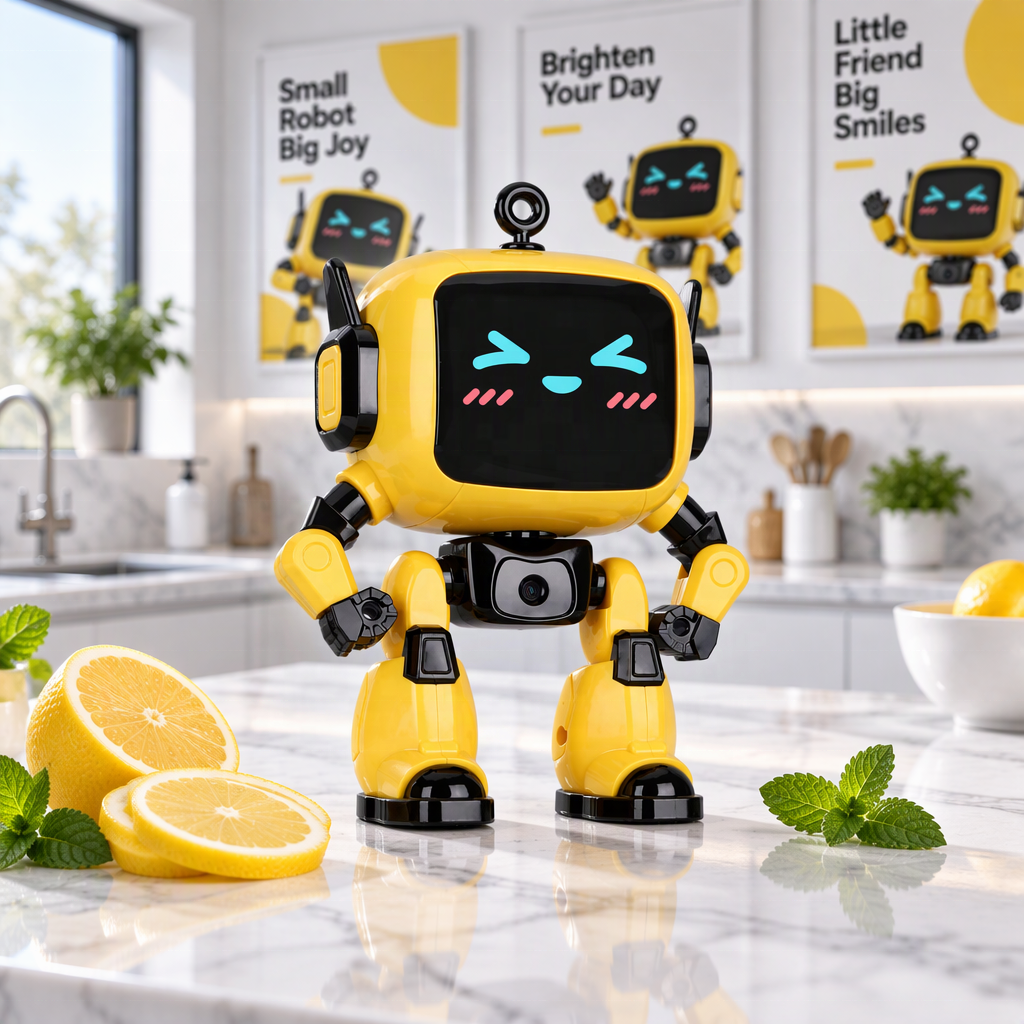
AI-Powered Educational Robot Toy for Children, Featuring Interactive Stories & Voice Functions
Early STEAM
Dual Microphone
CE Certified
Engineered for distributors, institutional retailers, and global brand licensors seeking compliant, high-retention consumer robotics.
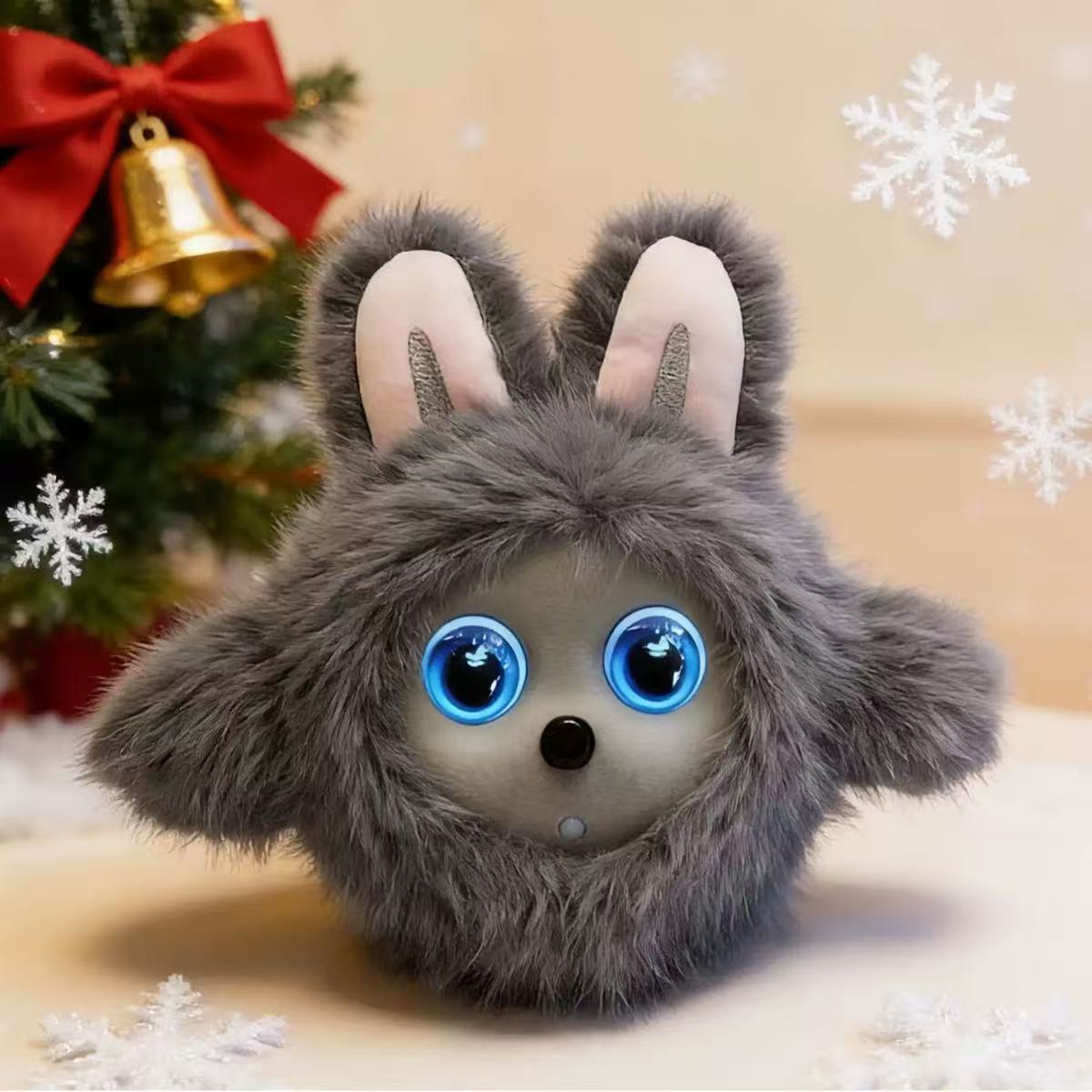
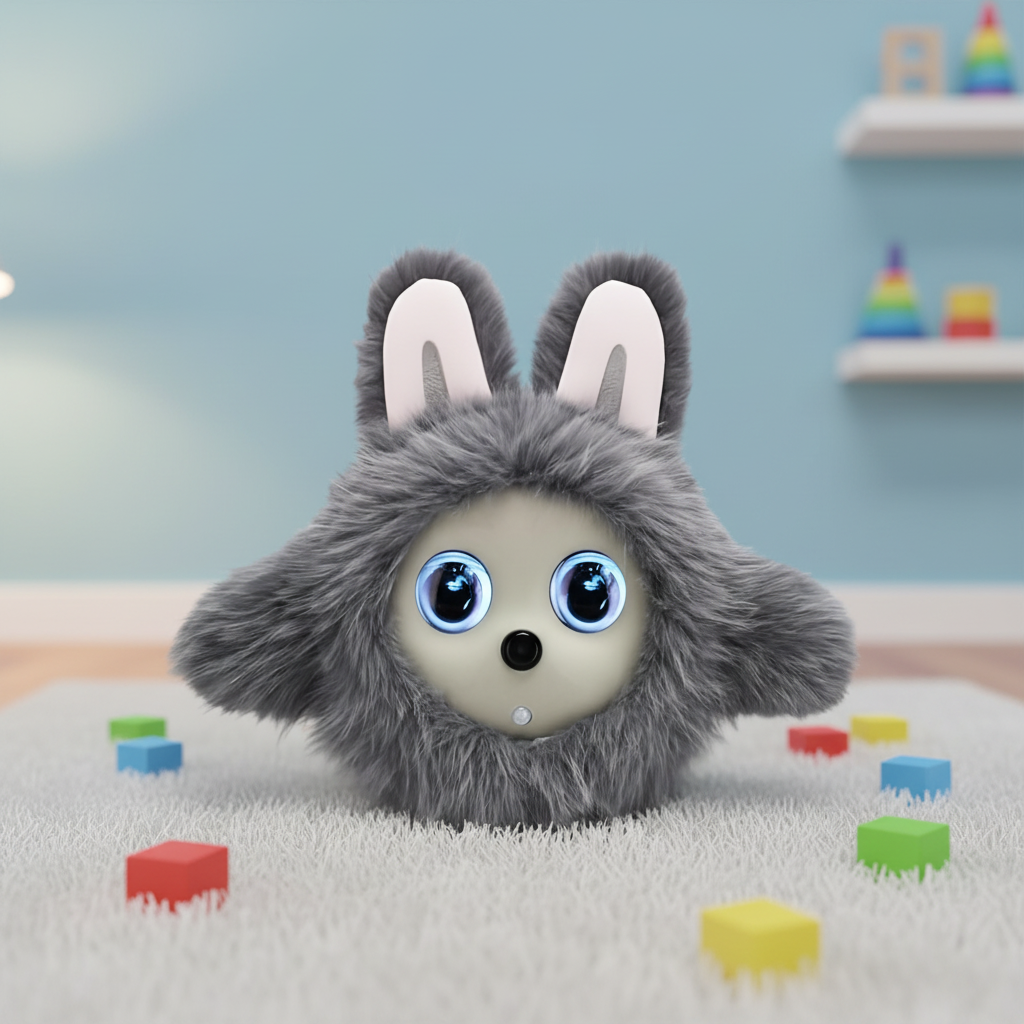
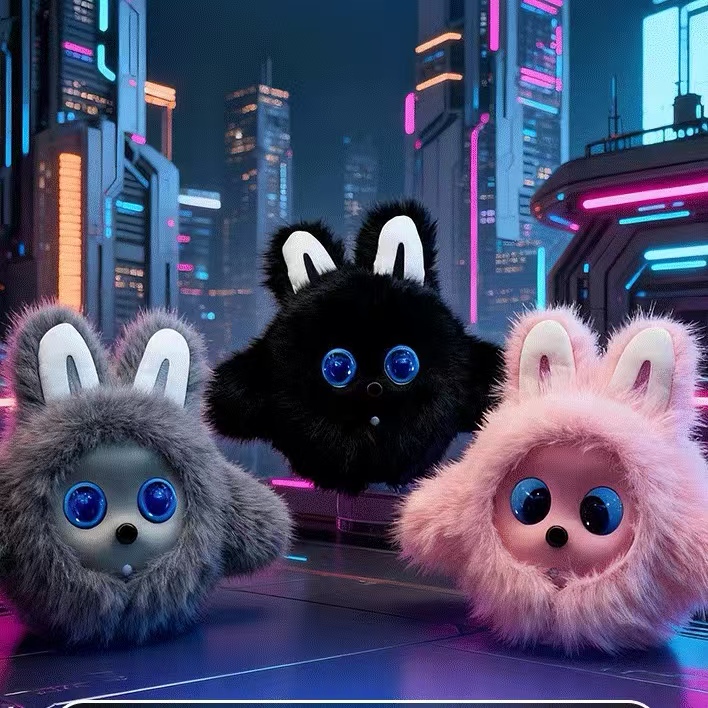
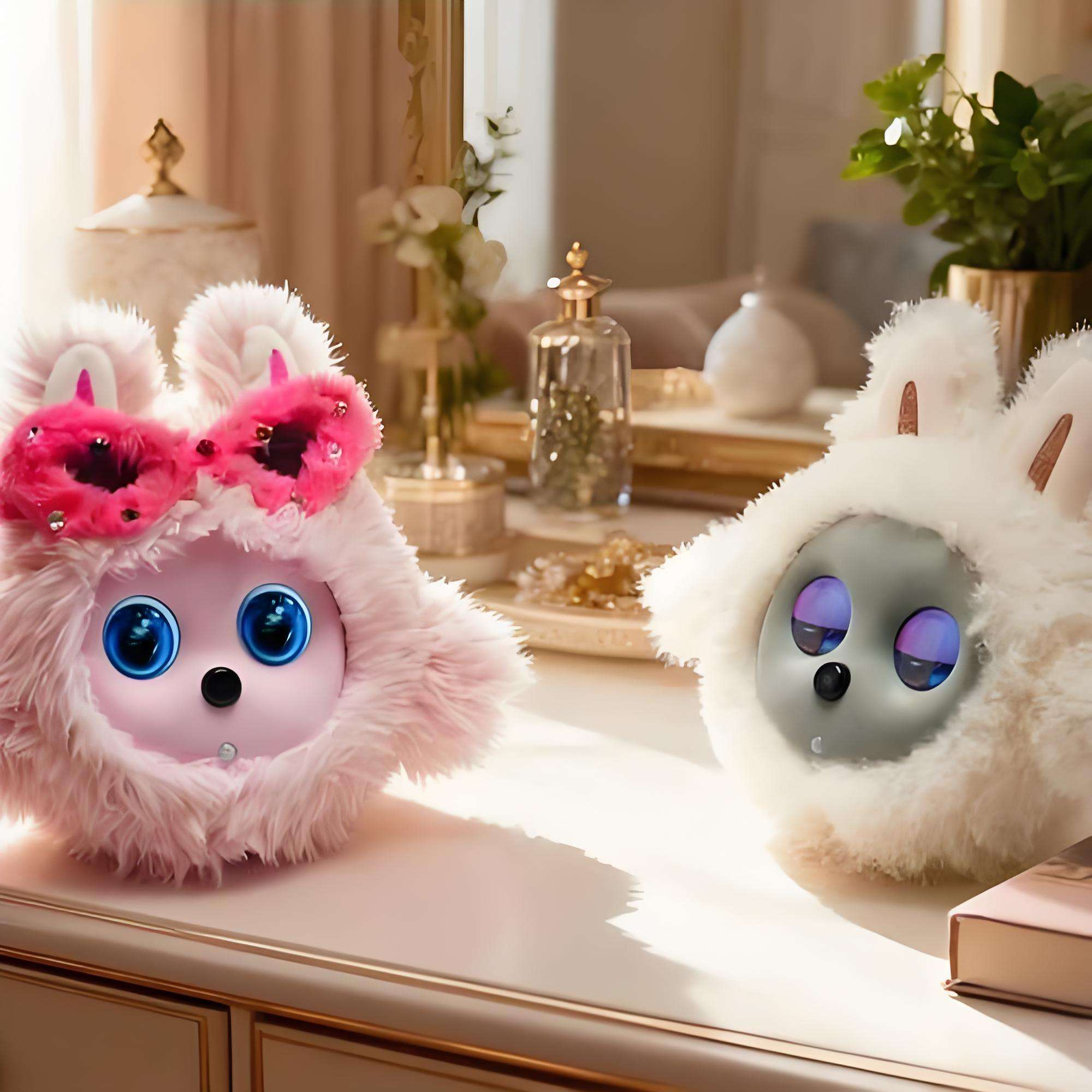
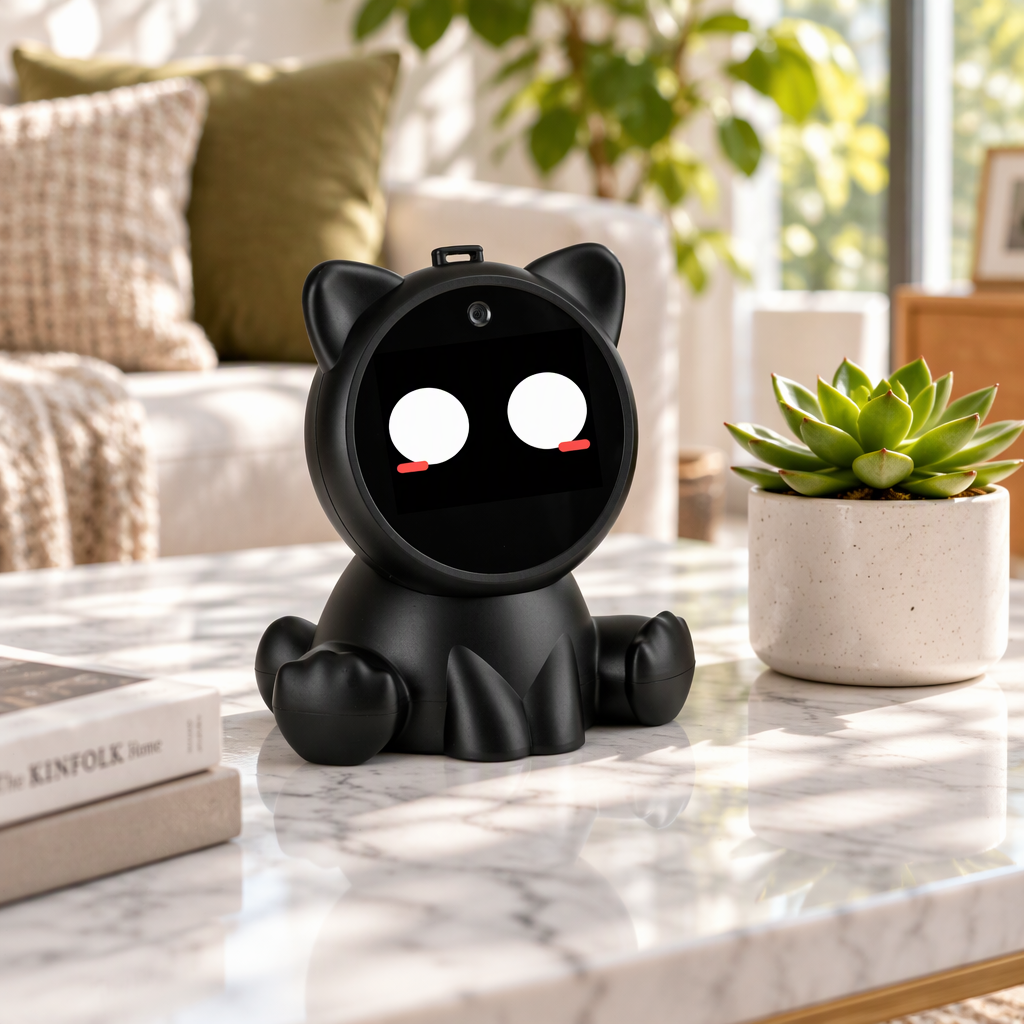
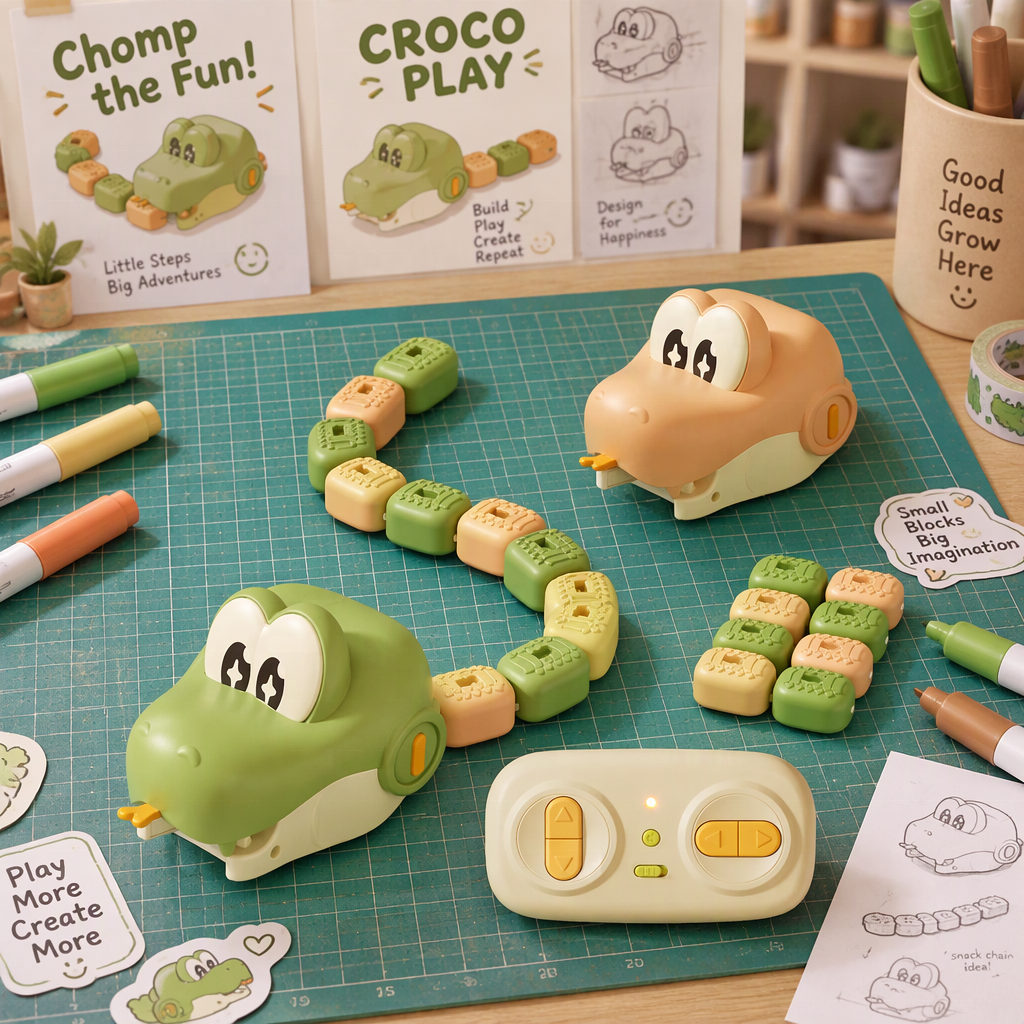
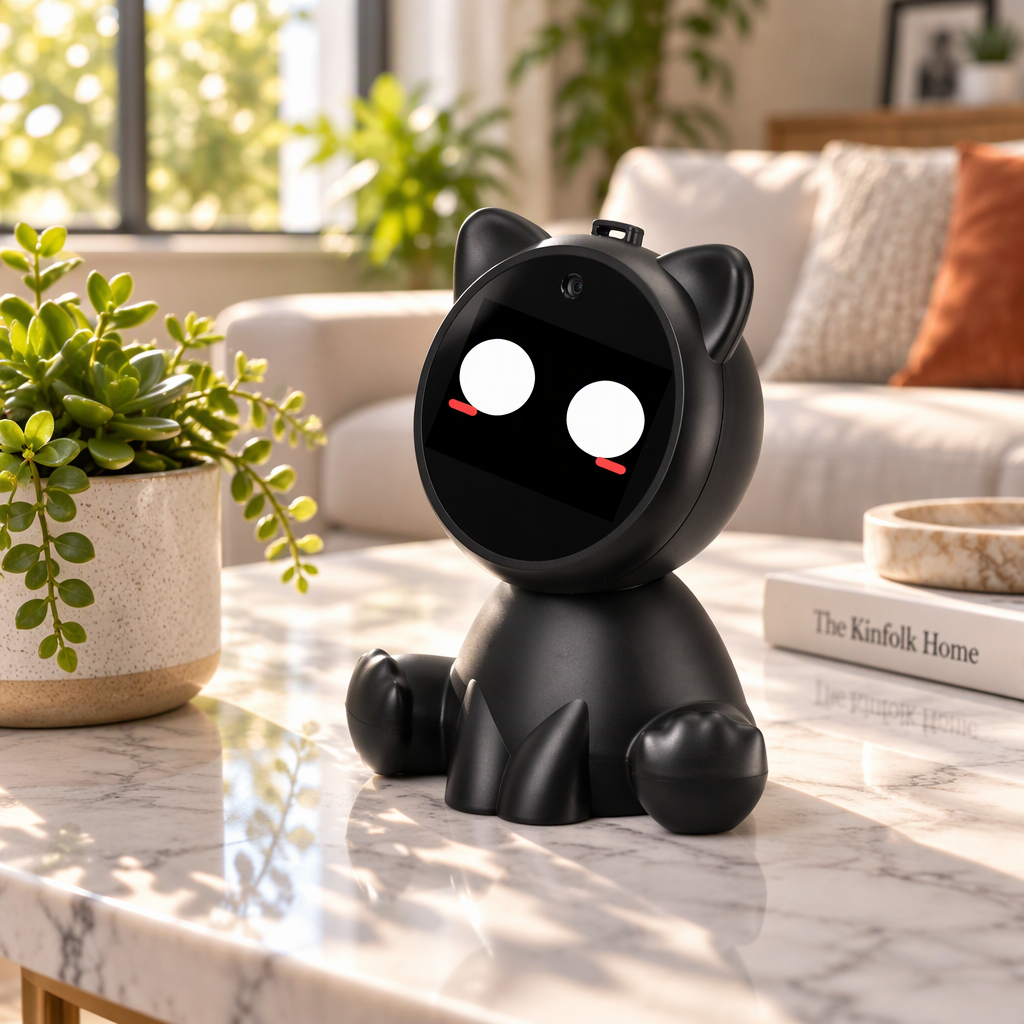
An authoritative analysis of technical shifts, regulatory hurdles, and supply chain efficiencies in intelligent interactive consumer electronics.
The consumer robotics sector has entered a decisive paradigm shift. Gone are the days when motorized plastic novelties executing pre-recorded sound bites could command consumer interest or shelf loyalty. Driven by the proliferation of specialized edge-computing microcontrollers, low-latency Automatic Speech Recognition (ASR), and conversational Large Language Models (LLMs), desktop companion hardware has evolved from novelty to meaningful daily companion. As global retail buyers, direct-to-consumer (D2C) electronic brands, and educational institutions audit their inventories, the demand for sophisticated, emotionally intelligent microduck desktop robots and hybrid AI plush figures from Chinese high-tech manufacturing hubs has reached an unprecedented peak.
Shenzhen, at the epicenter of the Guangdong-Hong Kong-Macao Greater Bay Area, offers a robust manufacturing ecosystem for desktop robotics. Operating at the core of this cluster, Shenzhen MDT Technology Co., Ltd. (Microducktoys) bridges the gap between deep algorithmic R&D and high-precision consumer manufacturing. With over five years of dedicated engineering in voice-interactive smart hardware and comprehensive testing verified by TÜV Rheinland, our manufacturing operations deliver retail-ready consumer electronics compliant with the stringent safety and telecommunication demands of North America, the European Union, and the emerging Middle Eastern consumer tech corridors.
Procuring desktop robotics involves evaluating more than mechanical tooling costs. Today's commercial success depends on edge-to-cloud infrastructure, modular language integration, battery transport certifications, and localized compliance (GDPR/COPPA). Sourcing directly from integrated original design manufacturers like Shenzhen MDT Technology ensures your landed cost covers clean code, safe hardware, and verifiable testing documentation.
Anticipating supply chain transformations, hardware standards, and end-user behavior patterns.
Next-generation desktop companions are moving beyond purely cloud-dependent models. Modern architectures blend on-chip wake-word and localized gesture processing with cloud-based LLM integration. This dramatically reduces latency to sub-800ms while curbing cloud API overhead for commercial brand operators.
Standard LCD eyes are evolving into dynamic OLED and TFT micro-displays driven by procedural animation engines. Desktop companions do not simply speak; they emote through reactive gaze-tracking, synchronized micro-servos, and responsive physical feedback loops that build genuine emotional attachment.
With tightening international scrutiny under the EU AI Act, US COPPA, and California's SB-327, enterprise buyers must audit how voice data is stored, transmitted, and deleted. Factories must supply hardware with physical microphone cutoffs, end-to-end payload encryption, and clean SDK stacks.
Tracing the engineering milestones behind consumer-ready desktop companions.
The technological progression of China's desktop robotics manufacturing industry can be categorized into three distinct evolutionary epochs:
First Epoch (Deterministic Control): Early toys relied on rudimentary microcontrollers with fixed read-only memory (ROM). The play loop was strictly deterministic: touching a capacitive strip triggered a predefined sequence of audio clips and limited dual-gear DC motor movements. While cost-effective, consumer drop-off occurred within 72 hours of retail purchase due to repetitive interactions.
Second Epoch (Connected Telephony & App Dependency): The integration of Bluetooth Low Energy (BLE) and Wi-Fi enabled toys to stream audio directly from smartphone applications. While this introduced expanded content libraries, the user experience remained tethered to mobile screens, turning the robot into a passive external speaker rather than an engaging, autonomous presence.
Third Epoch (Autonomous Multimodal Generative AI): Today's flagship systems, typified by the Microduck desktop companion and the T23 interactive series, operate as autonomous IoT edge clients. By utilizing System-on-Chips (SoCs) equipped with neural processing acceleration, integrated far-field dual-microphone arrays with acoustic echo cancellation (AEC), and ambient optical sensors, these units continuously perceive their physical surroundings. They interpret human speech nuance, adjust conversational tone, maintain conversation history across interactions, and navigate desk surfaces using intelligent anti-fall floor detection sensors.
Verified manufacturing integrity, versatile OEM customization, and end-to-end supply chain assurance.
Our production premises, testing labs, and assembly workflows have undergone rigorous on-site verification by TÜV Rheinland. This independent assessment validates our factory capacity, trade legality, clean room electronic assemblies, and adherence to international B2B manufacturing standards.
From injection-molded chassis adjustments and bespoke plush tailoring to custom wake words, custom UI app development, and branded graphic packaging, our R&D engineering department handles turnkey development with low prototype-stage Minimum Order Quantities.
Eliminate supplier fragmentation. Through our core factory capacity and tightly integrated industrial partner network, buyers can source AI plush, high-end desktop companions, STEAM educational kits, and dynamic dancing robots in consolidated shipping containers with unified bill-of-lading documents.
We support all standard Incoterms including FOB Shenzhen, CIF, EXW, and door-to-door DDP (incorporating customs clearance and local duties). Sourcing teams can transact in multiple major currencies (USD, EUR, GBP, AUD, CAD, JPY, CNY) across versatile payment structures (T/T, L/C, D/P, PayPal, Escrow).
Our companion robots are engineered for cross-border appeal. With voice models accommodating up to 40 languages and regional vernacular nuances (including Arabic, Spanish, French, German, Russian, and Japanese), your product lines can launch immediately across global markets with minimal local development overhead.
Safety and RF interference compliance are integral to our manufacturing process. We maintain testing documentation covering CE, FCC, EN71, RoHS, and WEEE, along with complete UN38.3 battery transport test records and safety data sheets (MSDS) to guarantee reliable, friction-free sea and air clearance.
Transparent answers covering production cycles, compliance protocols, and minimum order requirements.
For standard catalog units (such as the T23 series or standard plush models), samples are dispatched within 24 to 72 hours for initial evaluation. For OEM branded production (incorporating logo silkscreening, customized box art, and tailored wake words), manufacturing cycles run between 18 to 28 business days from engineering sign-off, contingent on order scale.
Our core production lines maintain CE (EMC/LVD), FCC (Part 15B/15C), and RoHS credentials. For specialized educational and plush toys intended for children, we arrange testing through accredited laboratories (SGS, Intertek, TÜV) to confirm compliance with EN71, ASTM F963, and CPSIA total lead and phthalate limits.
Yes. In addition to our native models (powered by ChatGPT and DeepSeek engines), our firmware engineering division can direct the robot's Wi-Fi network payloads to communicate with your proprietary REST or WebSocket backend. This gives you full control over dialogue retention, system personas, and regional data residency requirements.
All rechargeable desktop units include certified lithium-ion cells equipped with onboard overvoltage, undervoltage, and thermal cutoff protection circuits. We supply verified UN38.3 test reports, 1.2-meter drop test certifications, and Material Safety Data Sheets (MSDS), ensuring safe transport via air and ocean freight carriers.
Every production run undergoes a multi-point inspection process: 100% incoming component verification (IQC), in-line assembly functional testing (IPQC), and pre-shipment burn-in testing covering voice synthesis, camera perception, and battery cycling. We stand behind our manufacturing with a 12-month commercial warranty, backed by spare parts provision and technical assistance.