185 × 130 × 210 mm
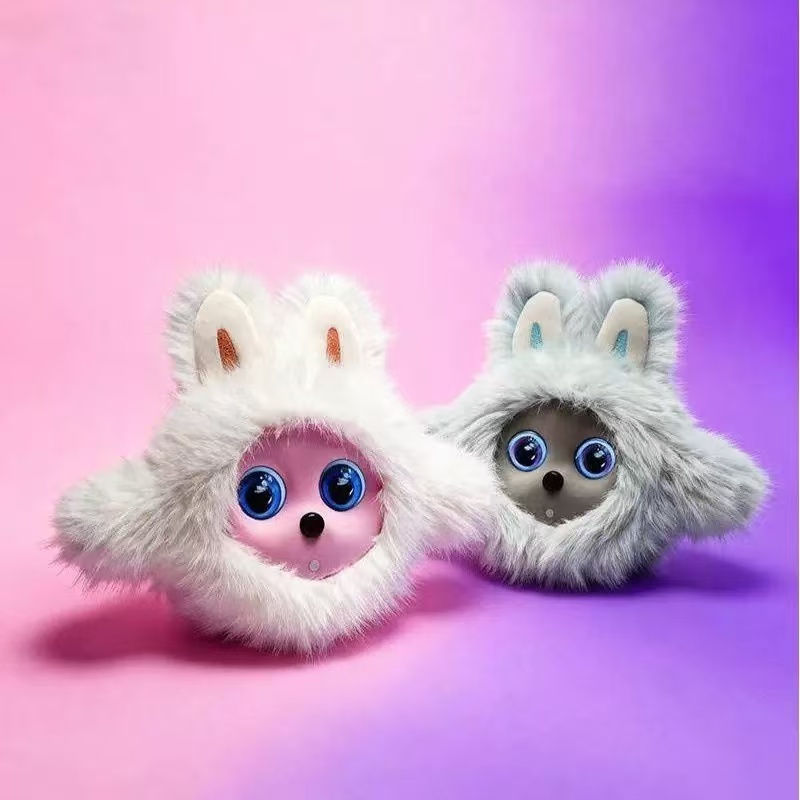
Directly tested and verified against structural compactness, drop test certifications, sensory integration tolerances, and modular ODM casing options.
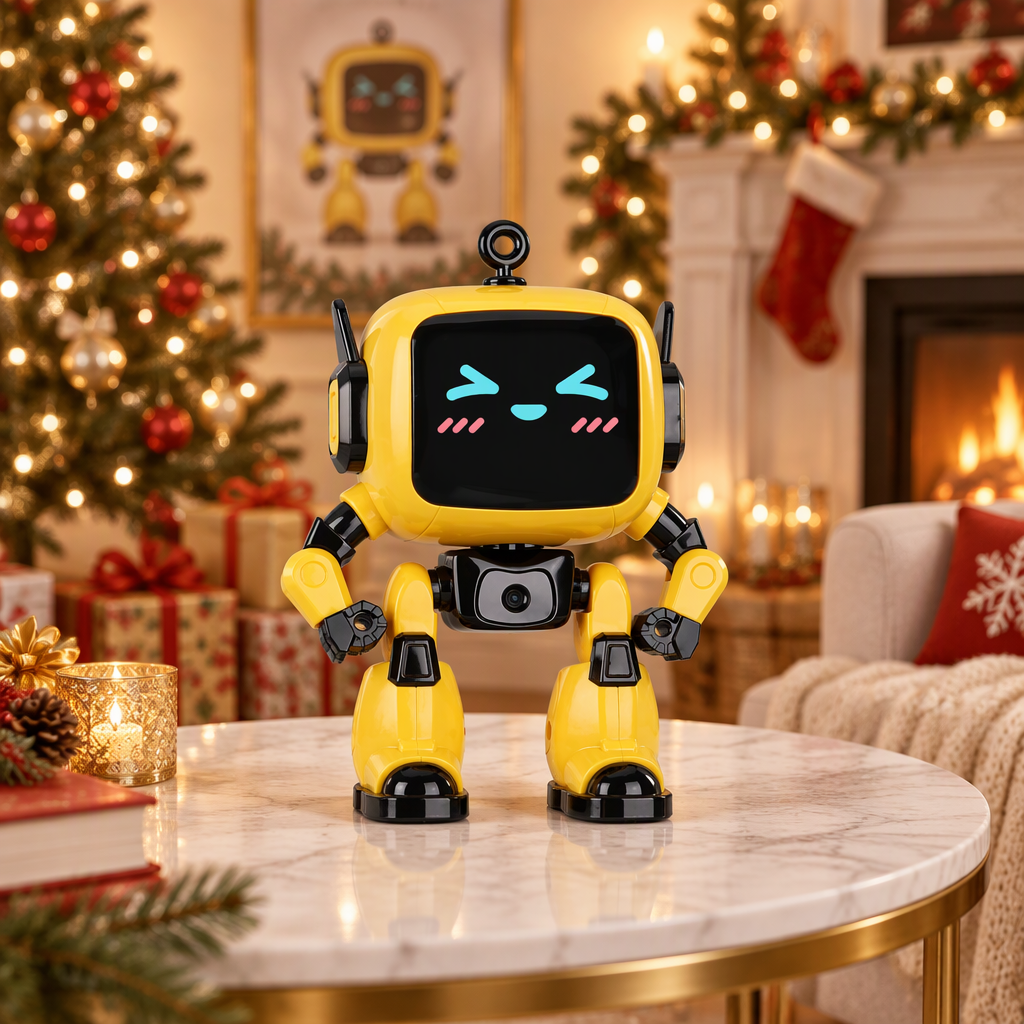
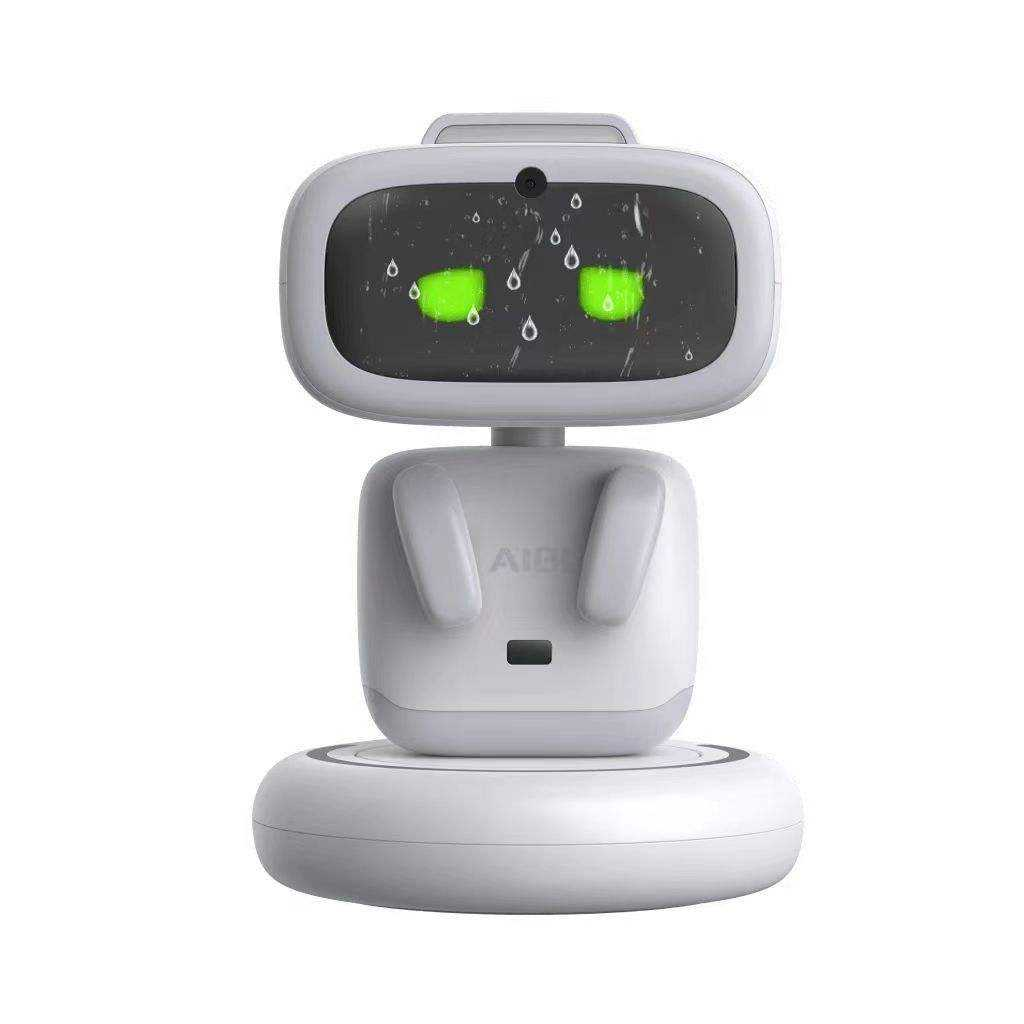

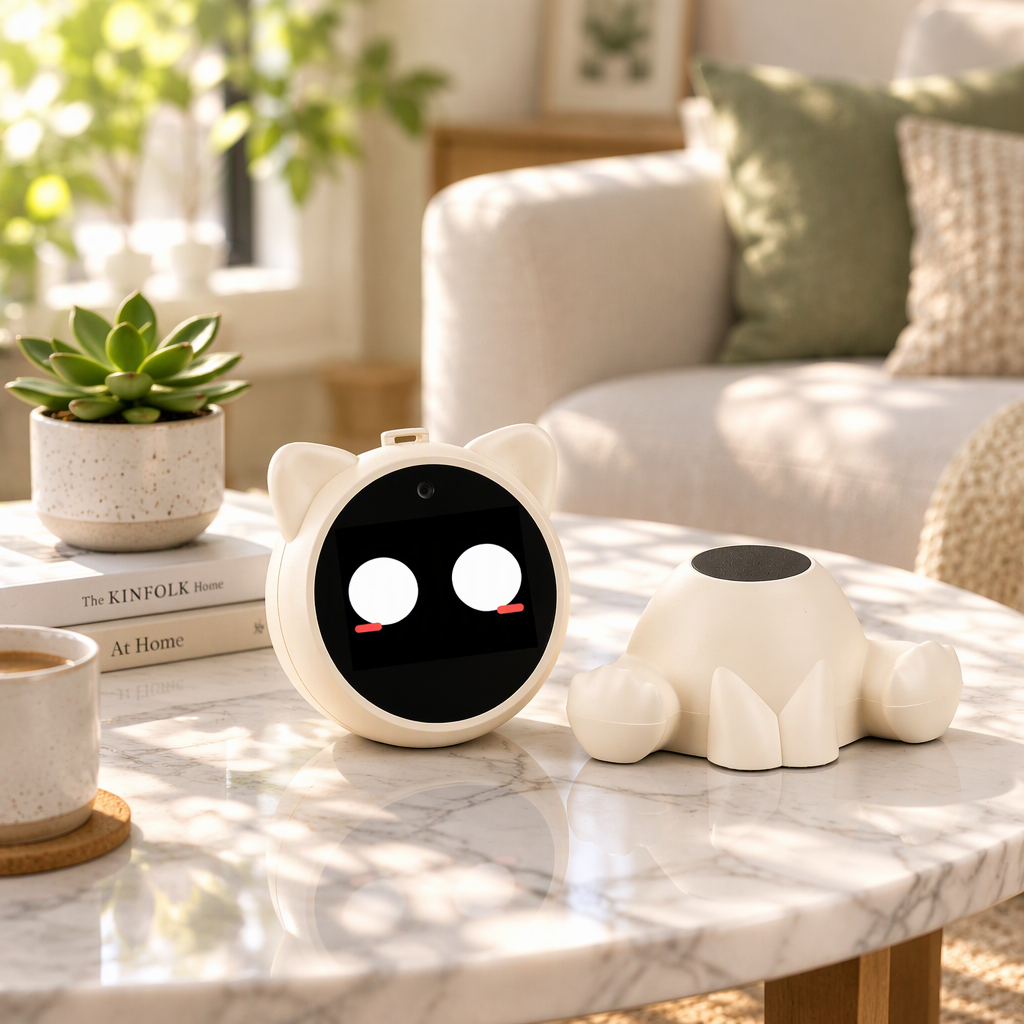

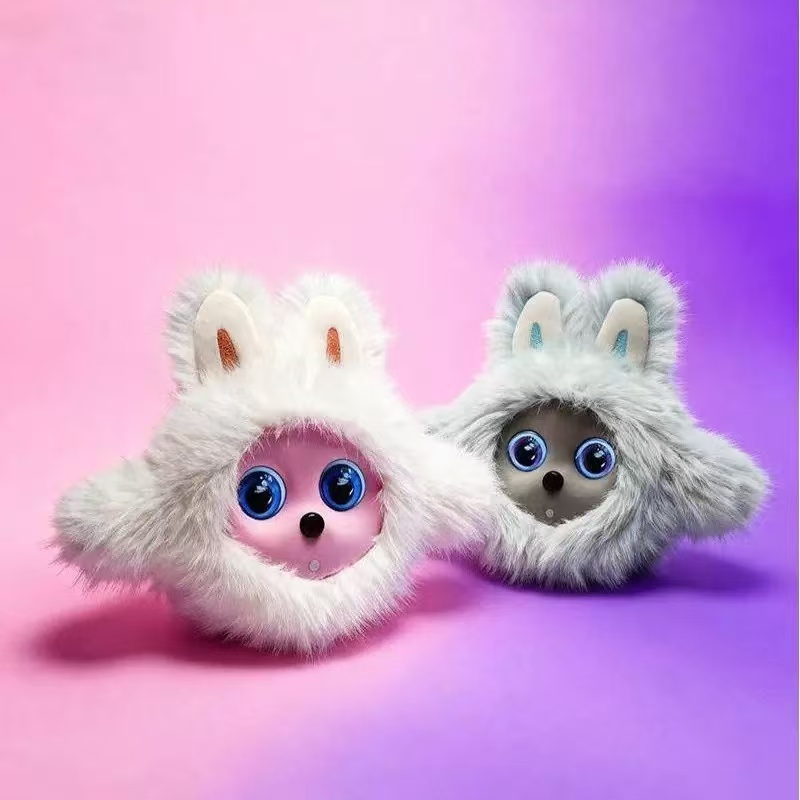
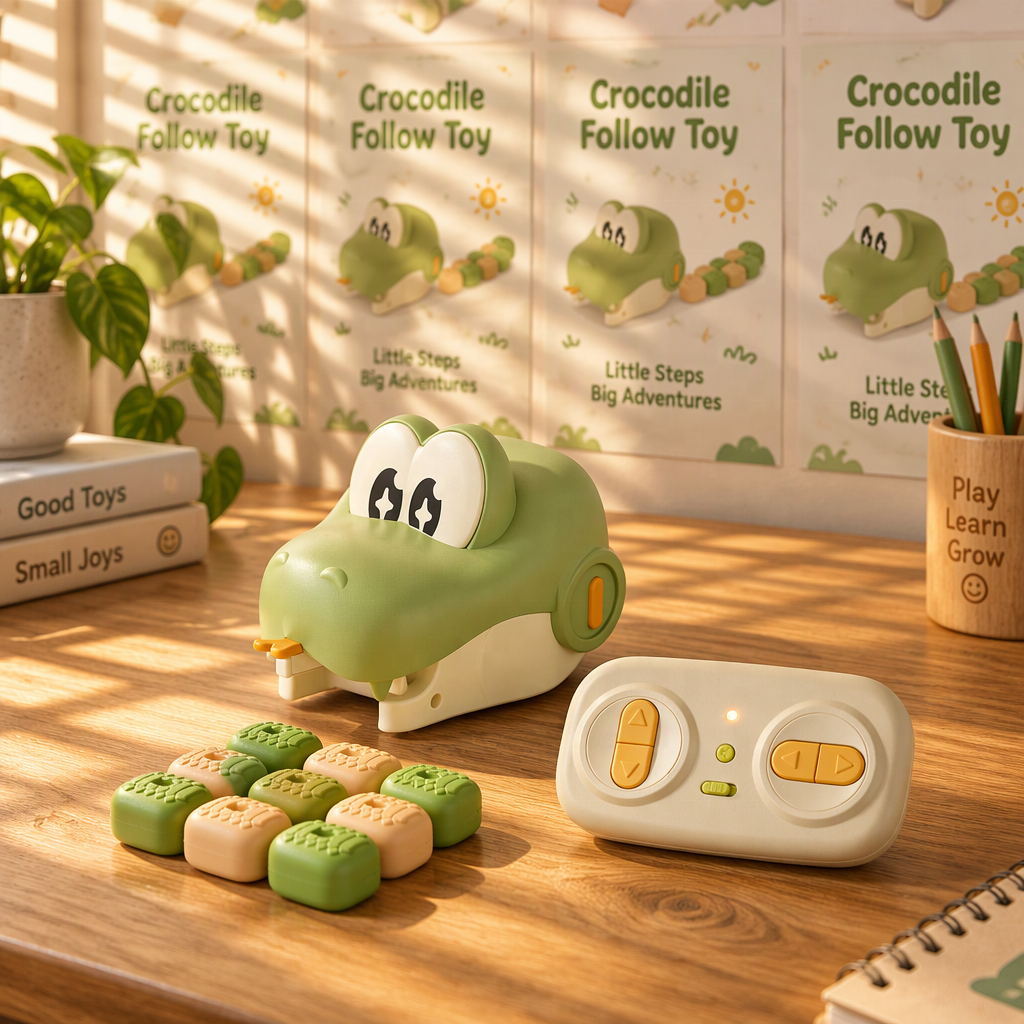
When engineering and sourcing micro-sized robotic toys—commonly designated in global retail supply chains under micro-companion, desk-pet, or "microduck" robot dimensions—hardware buyers encounter unique mechanical constraints. Unlike larger STEAM educational platforms that benefit from generous internal cavities, micro-dimension robotics operate strictly within spatial footprints typically bounded within 90mm × 85mm × 100mm to 210mm × 140mm × 225mm. In this compact domain, thermal dissipation, micromechanism gear durability, speaker resonance chambers, and battery safety clearances compete for millimeters of printed circuit board (PCB) real estate.
The primary procurement failure rate in high-volume micro-robotics originates from unrealistic dimensional balancing. When reducing physical dimensions below 120mm total height, suppliers face three distinct engineering bottlenecks: motor gear pitch degradation, micro-electromechanical systems (MEMS) acoustic feedback, and lithium-ion containment swelling thresholds. The following comparative specification matrix serves as an authoritative guideline for procurement teams assessing ODM manufacturers in China.
| Robot Dimensional Class | Typical Envelope (W × D × H) | Actuator Integration | Battery Capacity & Chemistry | Acoustic & Mic Isolation | Target Retail Channel |
|---|---|---|---|---|---|
| Ultra-Micro Desktop (Estella / EMO Tier) | 85–105 × 80–95 × 95–115 mm | Dual mini-coreless servo (0.8kg·cm) | 450–650 mAh Li-Po pouch (UN38.3) | Acoustic baffle chamber + silicon isolation ring | Executive desk companions, teen tech novelties |
| Smart Plush AI Hybrid (Storytelling Tier) | 170–200 × 120–145 × 200–230 mm | Fixed skeleton + soft EVA damping core | 1200–1800 mAh 18650/Li-ion shielded | Detachable sound resonance tunnel through fabric | Early childhood education, bedtime interactive retail |
| Dynamic Articulated / RC (Magnetic Snake Tier) | 180–250 × 60–110 × 55–100 mm | High-torque brushed DC reduction gearbox | 500–800 mAh Li-ion quick-discharge | Mechanical dampeners, RF 2.4GHz shielded PCB | Interactive puzzle toys, multi-player battling |
| Conversational Screen Robot (Kids AI Chat) | 110–130 × 85–105 × 135–155 mm | Single-axis head oscillation or static rigid | 800–1000 mAh Li-Po with thermal cut-off | Dual digital MEMS arrays with DSP echo cancellation | Bilingual language immersion, ESL training systems |
For European and North American customs clearance, injection-molded chassis within these dimensional ranges must maintain a uniform wall thickness of not less than 1.8mm utilizing RoHS/REACH-compliant Virgin ABS or Polycarbonate/ABS blend (UL94-V0 rated). Thinning the outer shell below 1.5mm to cut costs results in structural failure under drop impact tests (EN71 Part 1, 1-meter drop onto concrete through hardwood).
Modern micro robotic devices increasingly host sophisticated Conversational AI agents—incorporating Large Language Model backends such as DeepSeek, ChatGPT, and custom edge-NLP models. In micro architectures under 150mm height, physical housing resonance represents the critical differentiator between sub-80% speech recognition accuracy and greater than 96% recognition accuracy. When the internal miniature 2W/4Ω speaker operates within 30mm of the omnidirectional microphone, structural chassis vibration transmits through the plastic housing directly into the microphone diaphragm, causing catastrophic loopback noise. Microducktoys solves this through custom-designed rubber suspension shock mounts and dual-chamber partitioned molding, decoupling the acoustic drive from the primary voice input channels.
Where high-margin consumer electronics, child safety compliance, and edge AI compute intersect over the next 24 to 36 months.
Suppliers are transitioning away from high-latency purely cloud-reliant APIs toward hybrid microcontrollers (MCU + NPU). Local wake-word processing and emotion expression occur in sub-100ms on-chip, while complex contextual dialogue routes seamlessly through cloud servers.
Latency Target < 350msGlobal regulatory enforcement prohibits raw voice recordings of minors from leaving the domestic territory. Sourcing trends prioritize manufacturers offering turnkey server routing across localized AWS/Azure zones with built-in voice anonymization before cloud inference.
End-to-End EncryptionTo reduce injection mold tooling overheads (which traditionally range between $25,000 and $60,000 per custom robotic shell), modern ODM manufacturing utilizes standardized internal robotic core skeletons wrapped with swappable magnetic, silicone, or plush exteriors.
Tooling Cost Reduced 60%Shenzhen MDT Technology Co., Ltd. (operating internationally as Microducktoys) stands as a premier turnkey developer and manufacturer specializing in precision micro-dimension AI robotic systems, interactive companion plush, and intelligent STEAM hardware.
With an audited 5+ year track record verified on-site by TÜV Rheinland, our manufacturing infrastructure bridges the gap between sophisticated software algorithms (ChatGPT, DeepSeek, 37+ localized languages) and ultra-reliable precision injection molding.
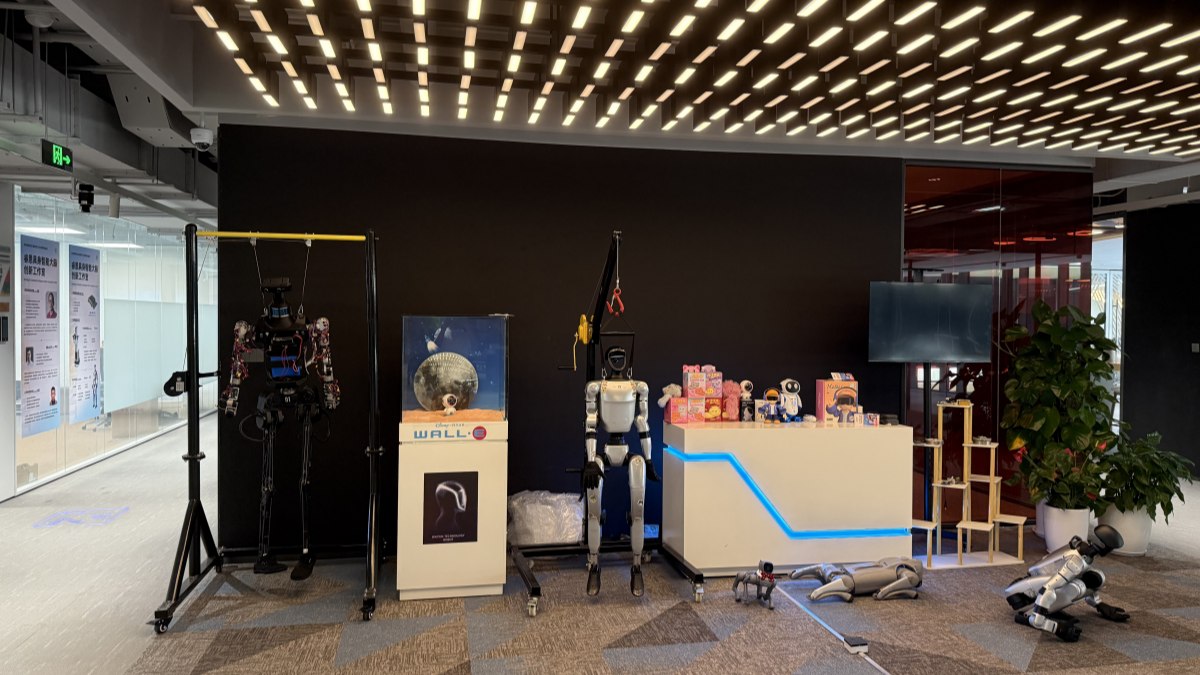
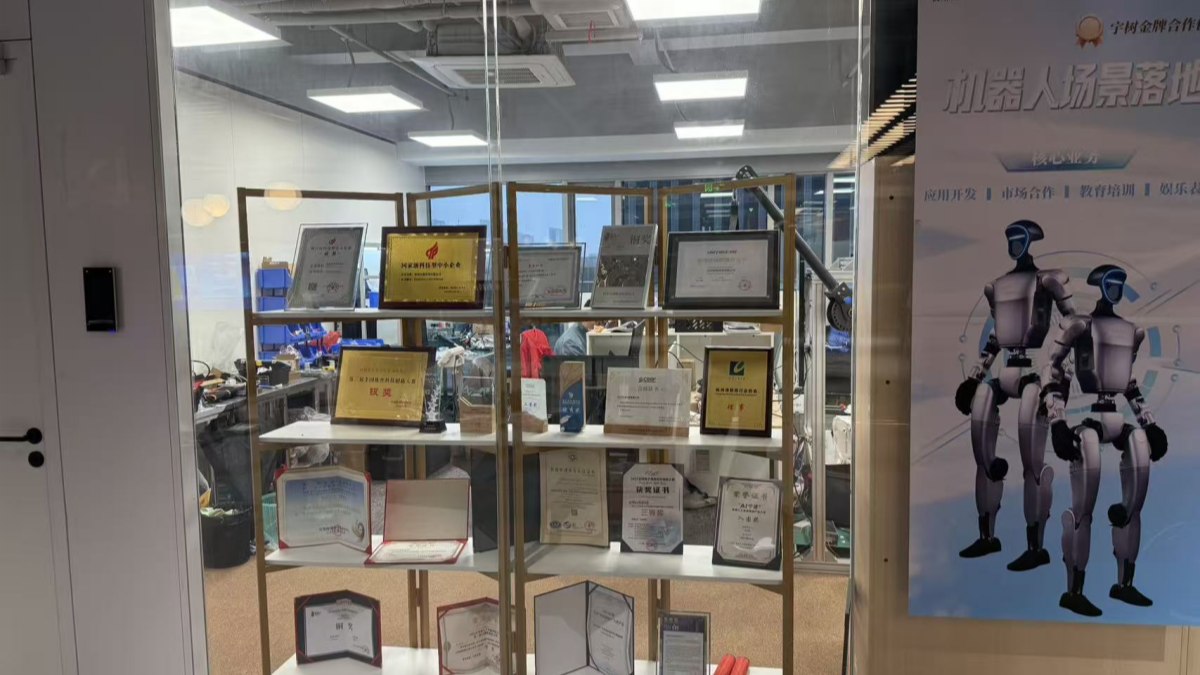
Critical technical and contractual considerations addressed directly by our senior hardware engineering and export trade directors.
We execute high-precision injection utilizing CNC-hardened steel tooling calibrated to standard tolerances of ±0.05mm. For moving articulation points, snap-fit casings, and ultrasonic welding perimeters, internal clearances are maintained at 0.15mm to guarantee structural rigidity under drop conditions while preventing pinch hazards for infant consumers.
Our engineering division creates a physical air-tight divider between the acoustic audio chamber and the microphone array. Utilizing high-density closed-cell EVA gaskets combined with digital software echo-cancellation (AEC) DSP algorithms, we prevent micro-resonance from triggering false wake words or distorting outgoing LLM conversational audio.
Yes. We deliver complete ODM firmware integration. Importers can specify proprietary wake phrases (e.g., "Hey Duckie"), integrate custom text-to-speech (TTS) voice profiles matching their brand IP, and configure knowledge bases via RESTful APIs connected to customized ChatGPT or DeepSeek enterprise instances supporting up to 37 international languages.
Every robotic unit shipped with integrated rechargeable lithium-polymer cells is accompanied by current UN38.3 test summaries, 1.2-meter drop test reports, Material Safety Data Sheets (MSDS), and sea/air transport hazard assessments (IMO/ICAO compliant). We facilitate smooth logistics via FOB, CIF, or DDP directly to your fulfillment warehouse.
Connect with our technical engineering sales desk for CAD step files, dimension schematics, compliance dossiers, and low-MOQ sample runs.