Field-Proven AI & Reinforcement Learning Robotic Systems
Direct supply line allocations engineered for high-engagement retail, STEAM education, and multi-lingual cognitive companionship.
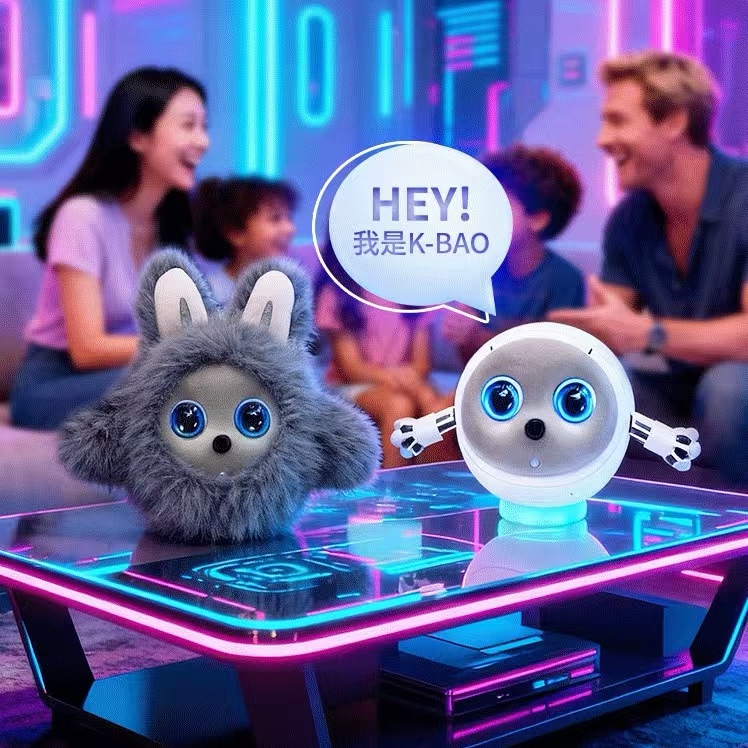
Rechargeable Smart Robot Plush Toy LCD Screen Eyes Storytelling AI Educational Christmas Gift Ages 7-12

Europe Market AI Talking Cat T23 Digital Pet Robot Interactive Voice Chat Learning Toy for Nursery Kids
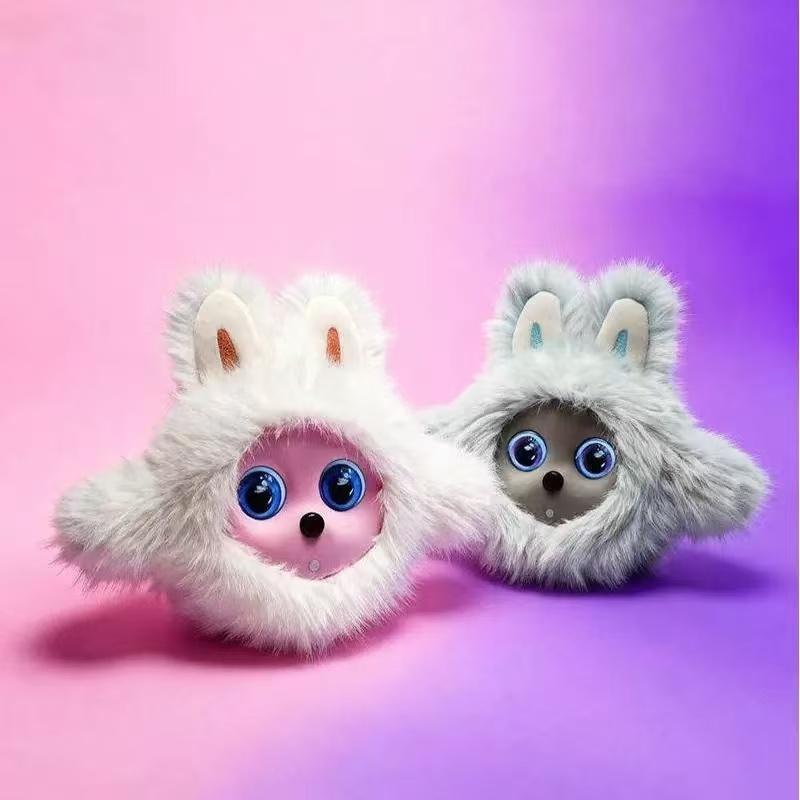
LCD Talking Eyes Robot Plush Toy Rechargeable AI Companion Storyteller Washable Cover for Kids Birthday Gift
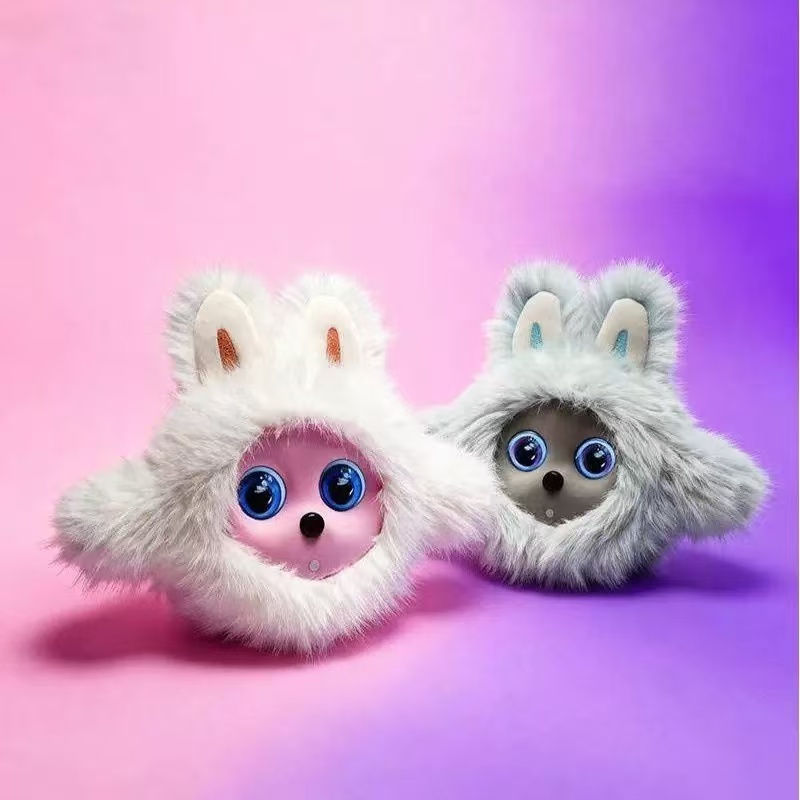
Rechargeable Storytelling Robot Plush LCD Eyes AI Interactive Toy Detachable Washable Cover Learning Companion

Estella Smart AI Desk Robot Interactive Pocket Pet Voice Interaction Emotional Expressions Rechargeable Toy Ages 7-12
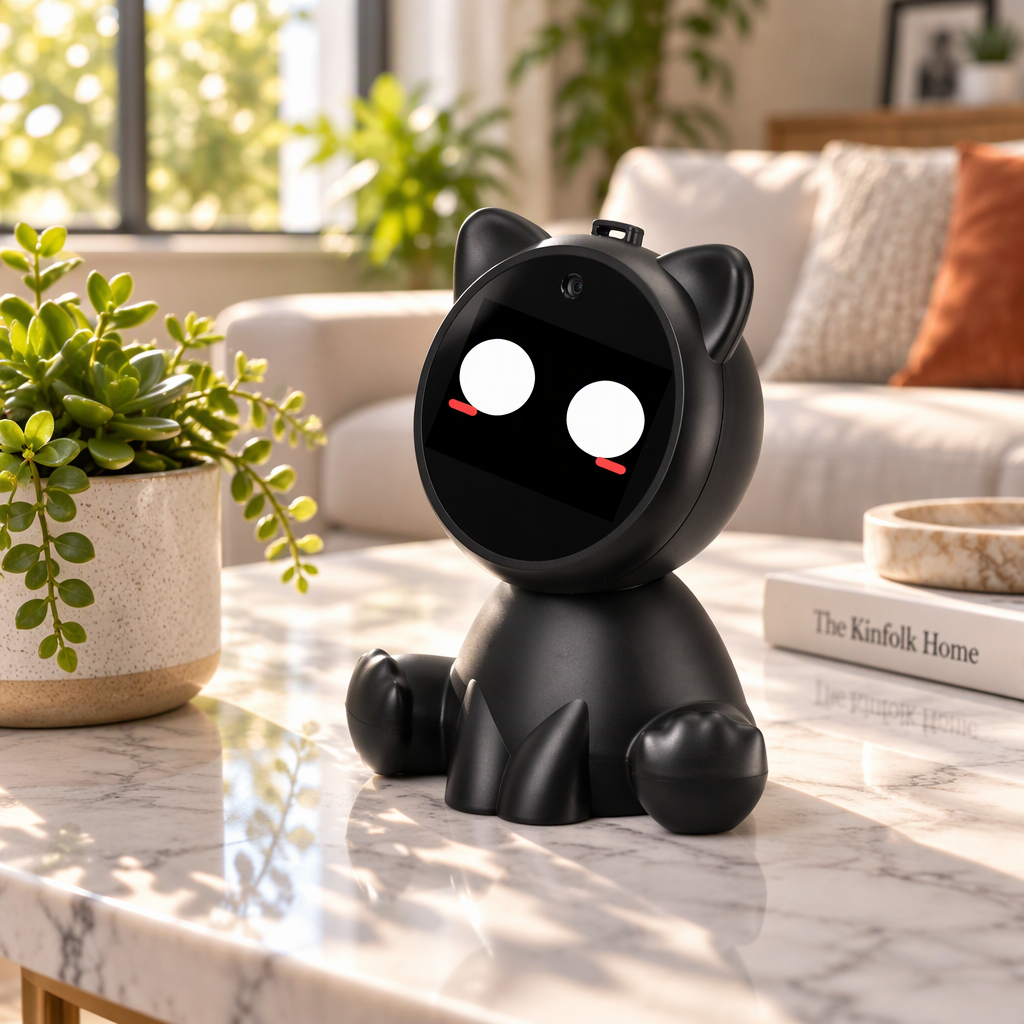
Gulf Market AI Robot Pet T23 Talking Digital Cat 40 Languages Voice Chat Gift for Children in Middle East
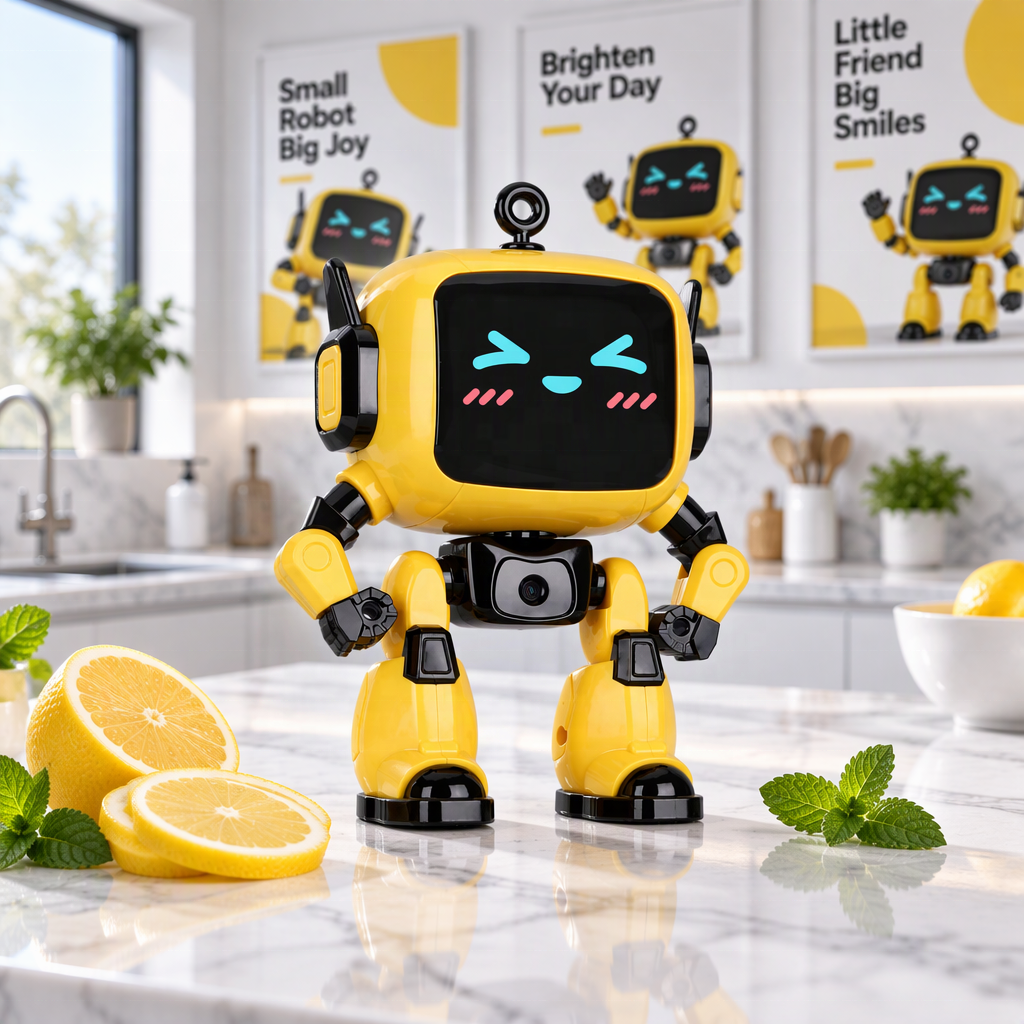
AI-powered Educational Robot Toy for Children, Featuring Interactive Stories and Voice Functions a Perfect Birthday Gift

Talking Plush Robot LCD Face AI Story Teller Rechargeable WiFi Type C Educational Toy for Kids Age 7
Reinforcement Learning in Companion Robotics: The Paradigm Shift from Rule-Based Toys to Autonomous Social Agents
The global intelligent consumer robotics market is undergoing a seismic architectural transition. For decades, consumer toy manufacturing relied on deterministic finite-state machines (FSM)—static logic arrays where a user presses a tactile sensor and triggers a pre-recorded WAV file stored on masked ROM. In stark contrast, modern Microduck reinforcement learning robots leverage deep neural policy architectures that actively sense, learn, and optimize behavioral responses based on real-time environmental rewards.
By implementing Deep Q-Networks (DQN) and Proximal Policy Optimization (PPO) algorithms directly onto cost-optimized edge silicon (combining dual-core ARM Cortex-M processors with low-power Neural Processing Units running at 0.5 to 1.2 TOPS), current generation robotic platforms achieve true emergent interaction. When an infant hugs, drops, or speaks to an intelligent plush or desktop pet, the robot does not cycle through predictable loops. Instead, multi-modal sensor inputs—ranging from capacitive touch arrays, 6-axis IMUs (Inertial Measurement Units), and MEMS microphone beamforming arrays—are normalized into state vectors. The policy network maps these states to optimal kinetic and audio actions, achieving fluid behavioral progression that significantly extends product shelf life and consumer engagement metrics.
Edge-Cloud Hybrid Inference
Local keyword spotting (KWS) and affective state tracking run locally with zero latency, while multi-turn semantic reasoning connects securely to LLM clusters (ChatGPT-4o mini, DeepSeek-V3) via encrypted TLS 1.3 tunnels.
Kinematic Self-Calibration
Reinforcement learning algorithms constantly monitor back-EMF and torque resistance across micro-servos, proactively adjusting kinetic output to prevent motor burnouts and adapt to mechanical wear over years of usage.
Zero-Retention Privacy Shields
Strict hardware-level isolation guarantees that voice vectors and acoustic samples are evaluated strictly within temporary volatile memory, guaranteeing complete compliance with international COPPA and EU GDPR guidelines.
Top 10 Microduck Reinforcement Learning Robot Suppliers Benchmark
Systematic matrix comparing tier-1 manufacturing capabilities, algorithm licensing models, and factory scalability factors across the Greater Bay Area robotics cluster.
| Supplier Classification | Primary Algorithm Stack | Core Hardware Competency | Compliance Certifications | Prototyping MOQ | Supply Chain Lead Time |
|---|---|---|---|---|---|
| Shenzhen MDT Technology (Microducktoys) | Edge PPO / DeepSeek / ChatGPT LLM | Acoustic DSP + Dynamic LCD + Plush ODM | CE, FCC, EN71, TÜV On-Site Verified | 1 Piece Sample | 15–25 Days |
| Bay Area Neural Robotics Hub | Cloud-Native Generative AI API | Rigid ABS Injection Body Shells | CE, RoHS | 500 Pieces | 35–45 Days |
| Dongguan Smart Motion Fab | Deterministic FSM + Cloud ASR | High-Torque Metal Geared Servos | CE, FCC | 1,000 Pieces | 30–40 Days |
| Huizhou Soft-Skin Cybernetics | Voice-Activated Audio Parsing | Plush Textile Sewing & Filling | EN71, CPSIA | 2,000 Pieces | 45 Days |
| Zhejiang STEAM Robotics Corp | Scratch-Block & Python Scripting | Caterpillar Tracks & Wheeled Bases | CE, UKCA | 500 Pieces | 25–35 Days |
| Jiangsu Intelligent Pet Labs | Visual Optical Flow Tracking | Monocular CMOS & Micro-OLED Displays | CE, KC | 300 Pieces | 40 Days |
| Shenzhen Embedded Vision Tech | 3D ToF Spatial Localization | Dual-Band Wi-Fi 6 + Bluetooth 5.3 SoCs | FCC, TELEC | 500 Pieces | 30 Days |
| Foshan Interactive Mechatronics | Basic Sound-Direction Localization | Zinc Alloy Articulation Hinges | CE, CCC | 1,000 Pieces | 35 Days |
| Hong Kong Cyber-Kinematics Ltd | Proprietary Behavior Networks | Micro-Stepper Motors & Gyroscopes | CE, FCC, RoHS | 200 Pieces | 20–30 Days |
| Chengdu Cognitive Edge Systems | Reinforcement Learning Audio Synthesizer | On-Chip NPU Silicon Integration | CE, ICES | 500 Pieces | 30–45 Days |
Emerging Sourcing Trends: What Enterprise B2B Buyers Must Anticipate for 2025–2030
As retail margins contract on standard commoditized electronic toys, high-margin opportunities are concentrating entirely within the autonomous cognitive companion niche. Institutional buyers, consumer electronics distributors, and global toy brands must realign their procurement blueprints around three decisive macro shifts:
1. Decoupling of Hardware and Neural Firmware (SaaS Hardware Hybrid): Modern procurement agreements are no longer transactional one-off plastic purchases. Enterprise importers are negotiating contracts that guarantee continuous over-the-air (OTA) firmware enhancements. Reinforcement learning models deployed in robots such as the Estella Smart Pet and Talking Cat T23 learn localized idioms, conversational jokes, and behavioral patterns post-sale, creating opportunities for recurring software subscription revenue and brand loyalty.
2. Multi-Lingual Dialect Localization at the Edge: Traditional voice recognition solutions fail in multilingual regions such as the Gulf Cooperation Council (GCC), Latin America, and Eastern Europe due to diverse dialect inflection. Modern OEM factories must support multi-dialect neural models. Sourcing teams should look for integrated solutions supporting up to 37+ languages natively, mitigating speech recognition dropout and consumer returns.
3. Sustainable Modular Disassembly & Battery Circularity: With stringent circular economy regulations such as the EU Ecodesign Regulation coming into full effect, robotics with embedded lithium cells must feature rapid tool-free battery disassembly. Factories operating washable soft shells paired with isolated electronics enclosures (as showcased in our washable plush storyteller lines) allow importers to navigate hazardous waste handling rules effortlessly.
Engineered for Global Tier-1 Brand Reliability
Leveraging deep industrial integration within Shenzhen's silicon ecosystem to eliminate supply chain friction, compliance risk, and high-volume deployment bottlenecks.
TÜV Rheinland On-Site Verification
Our manufacturing and engineering facilities undergo rigorous on-site facility audits by TÜV Rheinland, validating our quality assurance methodologies, assembly precision, and international export stability.
1-Piece Minimum Order Baseline
Break through the traditional 1,000-piece barrier. Validate physical tactile feel, acoustic clarity, and conversational latency with initial 1-piece sampling before committing commercial capital.
37+ Native Language Localization
Out-of-the-box support for extensive global language portfolios, including localized dialect adaptation across North America, Europe, Latin America, and Middle Eastern target markets.
Full-Stack Concept-to-Packaging
From industrial ID design, circuit board layout, and custom silicon firmware programming to multi-language retail packaging and regulatory documentation dossiers.
Comprehensive Trade Terms
Full support for international commercial incoterms including FOB, CFR, CIF, EXW, FCA, CPT, CIP, DDU, and DDP with customs clearing and multimodal freight coordination.
CE, FCC, EN71 & Battery Testing
All production lines run under strict regulatory alignment. Full UN38.3 test dossiers, MSDS transport certifications, and CE declarations of conformity provided with each delivery.
Enterprise Sourcing & Manufacturing FAQ
Direct answers addressing technical hurdles, compliance documentation, software customization, and logistical protocols.
How do reinforcement learning algorithms function inside battery-powered companion toys?
Microduck robots implement optimized, quantized neural network policies (such as INT8-quantized Deep Q-Networks) executed directly on low-power DSPs and micro-NPUs. These models monitor interaction metrics (hugs, voice tone, motion cycles) and reward engagement states without triggering intensive cloud-compute overhead, preserving battery life while exhibiting dynamic personality progression.
What custom voice persona and linguistic parameters can be modified via OEM?
We provide deep customization across acoustic wake words, synthetic voice personas (pitch, cadence, emotional timbre), default language fallbacks, and content filtering bounds. Custom large language model prompts can be hardcoded into firmware to restrict conversations strictly within approved educational or brand-safe storylines.
What certifications are mandatory for importing intelligent AI robots into North America and the EU?
For the European Union, toys must comply with the Toy Safety Directive 2009/48/EC (EN71 parts 1, 2, and 3), Radio Equipment Directive (RED), and CE marking. For the United States, FCC Part 15 subpart B/C is necessary for wireless compliance, alongside ASTM F963, CPSIA lead and phthalate limits, and strict COPPA compliance for voice data handling.
What international payment structures and shipment options are supported?
We support standard international transaction protocols including T/T (Telegraphic Transfer), Irrevocable L/C at sight, D/P, PayPal, and Western Union. Production shipments can be organized under EXW, FOB Shenzhen/Hong Kong, CIF, or full door-to-door DDP arrangements with all customs tariffs cleared directly.
Initiate Your Next-Gen AI Robotics Project Today
Connect directly with our engineering and procurement team in Shenzhen. Request physical evaluation units, comprehensive technical whitepapers, or confidential OEM/ODM feasibility assessments.