Featured Open-Architecture & Intelligent Robotic Systems
Review our flagship programmable robots, voice-native companion pets, and educational platforms optimized for private-label brand deployment and institutional distribution.

Remote-Controlled Magnetic Snake-Eating Toy "Hungry Bean" Pursuit Game RC Car Children's Christmas Gift
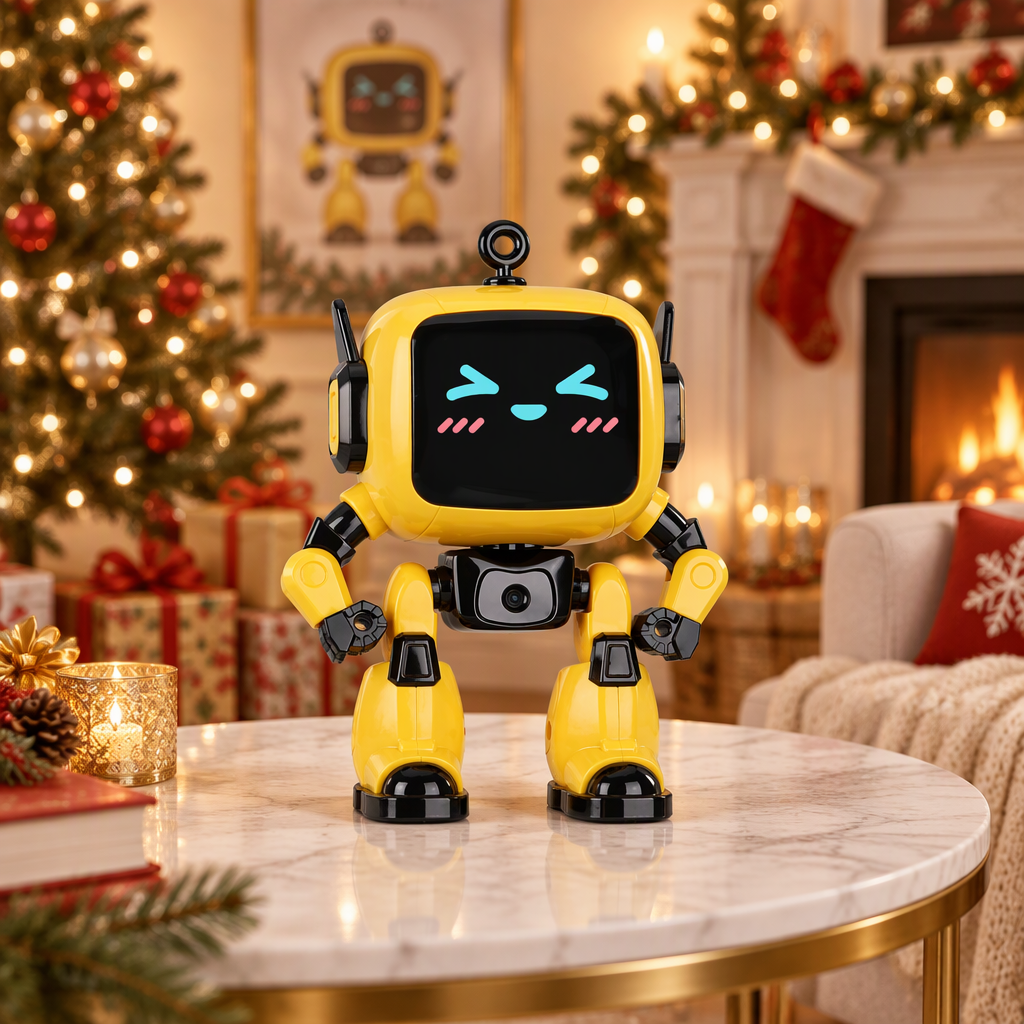
Kids AI Chat Robot, Chat History Save for Parents Review Kids Communication Content
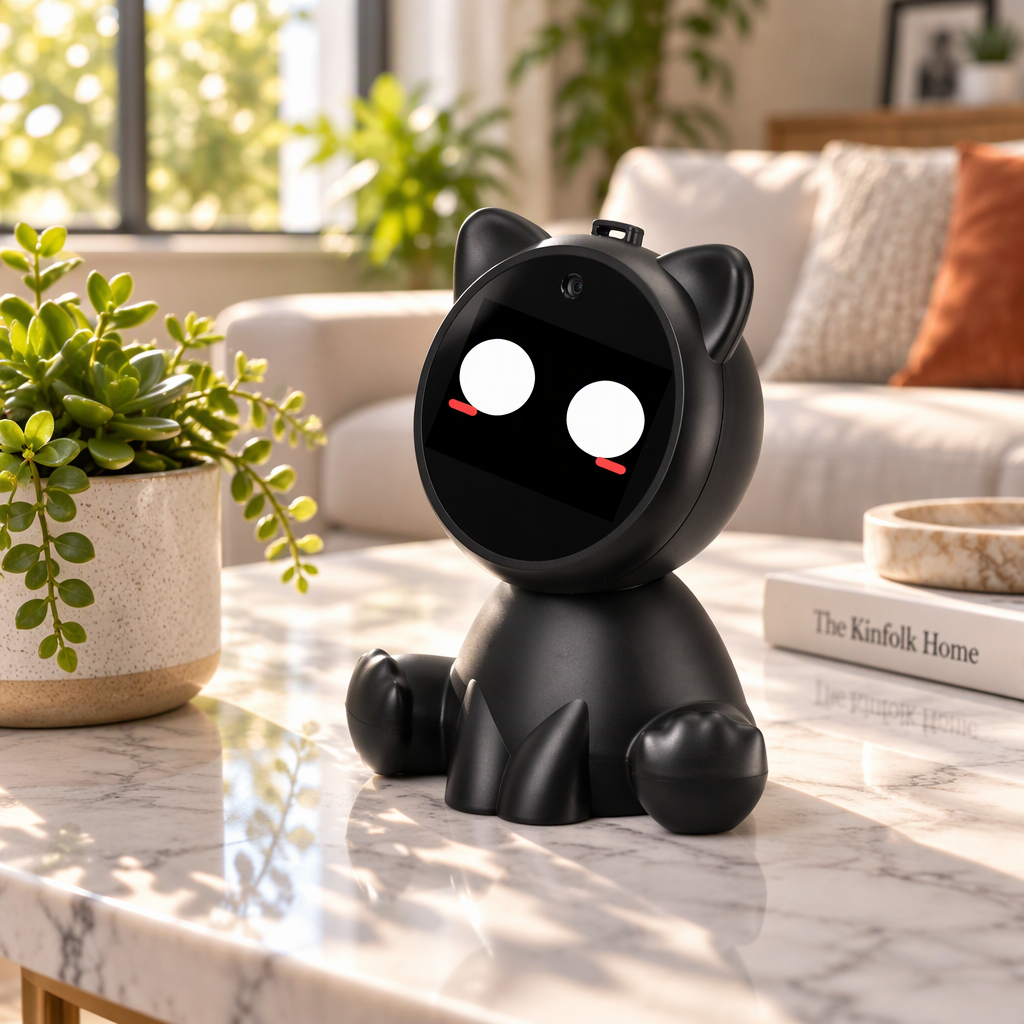
Gulf Market AI Robot Pet T23 Talking Digital Cat 40 Languages Voice Chat Gift for Children in Middle East
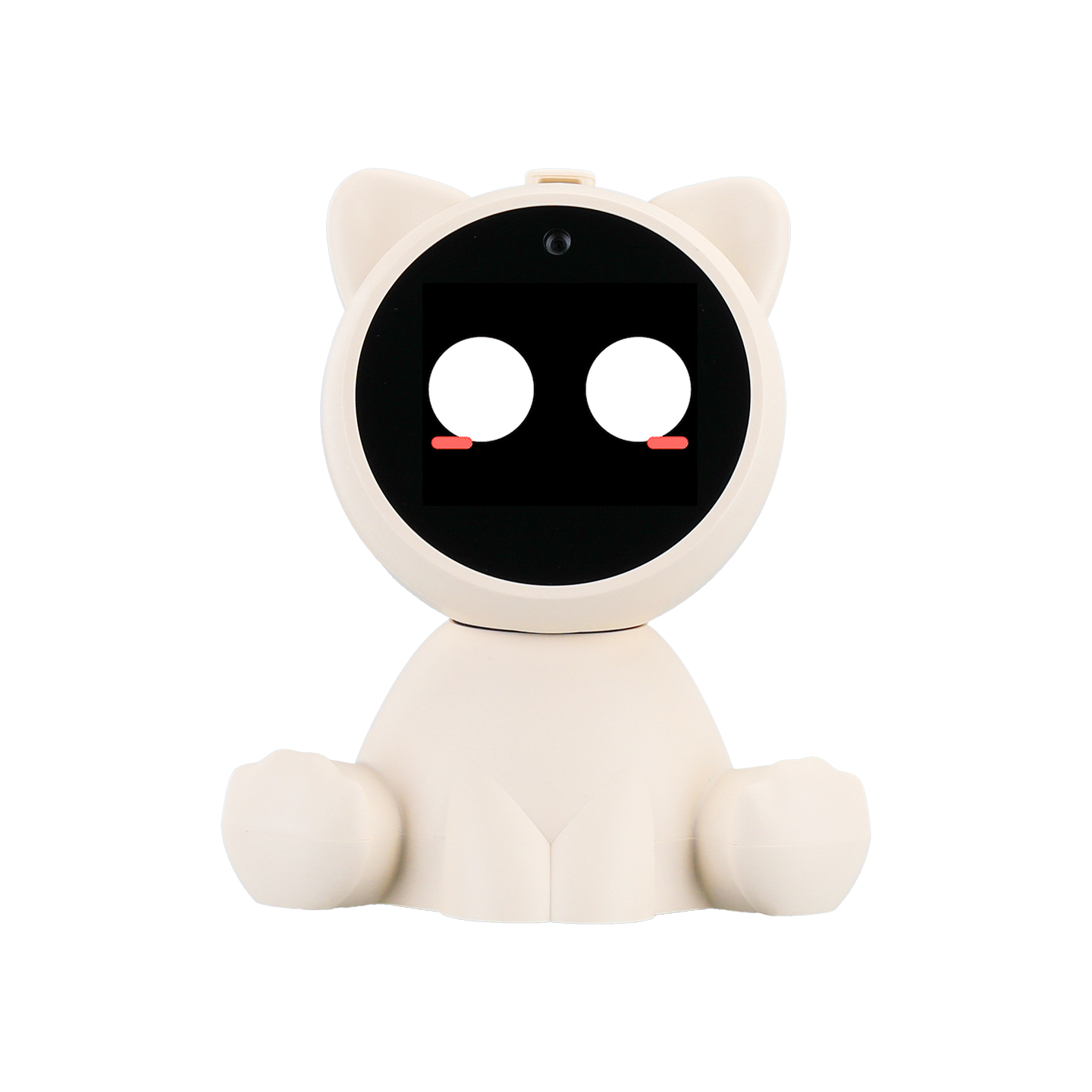
Quiet Time AI Talking Cat T23 Digital Pet Robot Voice Chat Calm Play Bedtime Companion for Children Bedroom
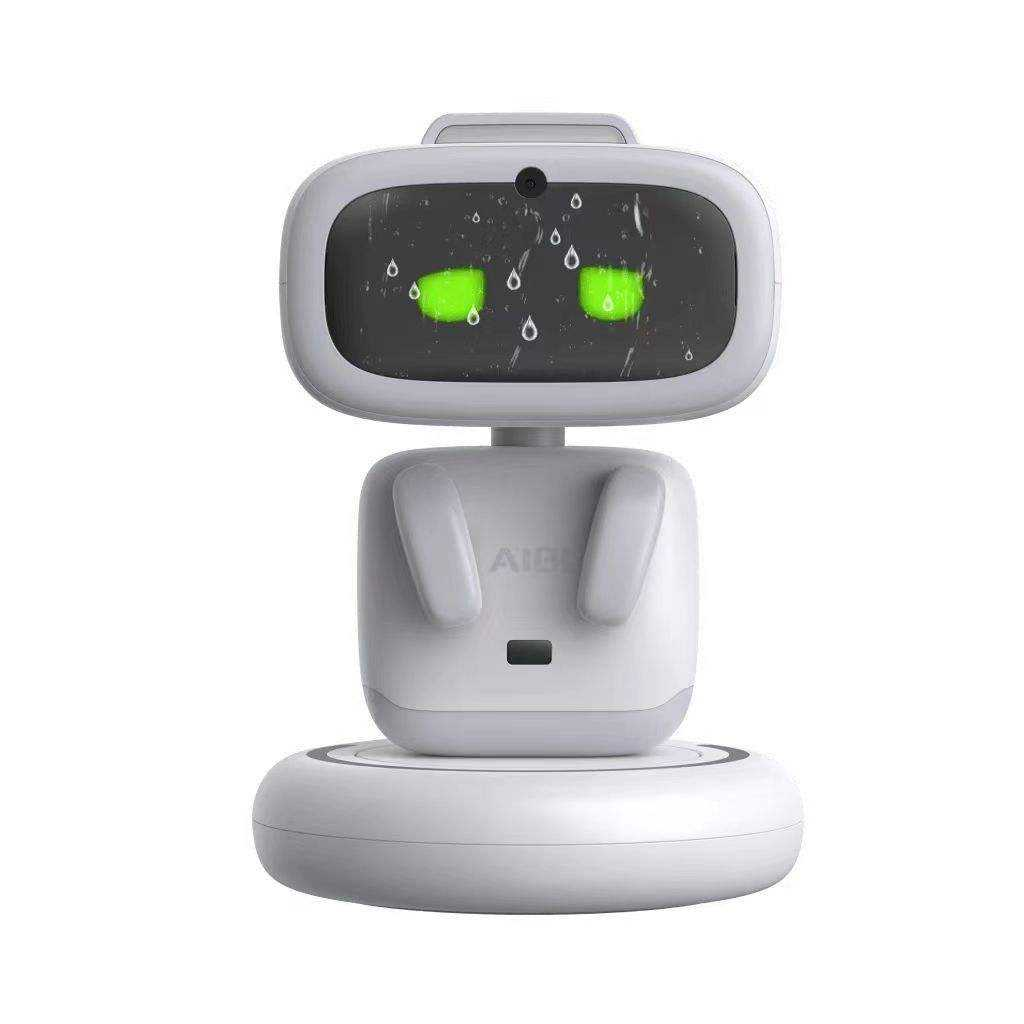
Estella Smart AI Desk Robot Interactive Pocket Pet Voice Interaction Emotional Expressions Rechargeable Toy Ages 7-12
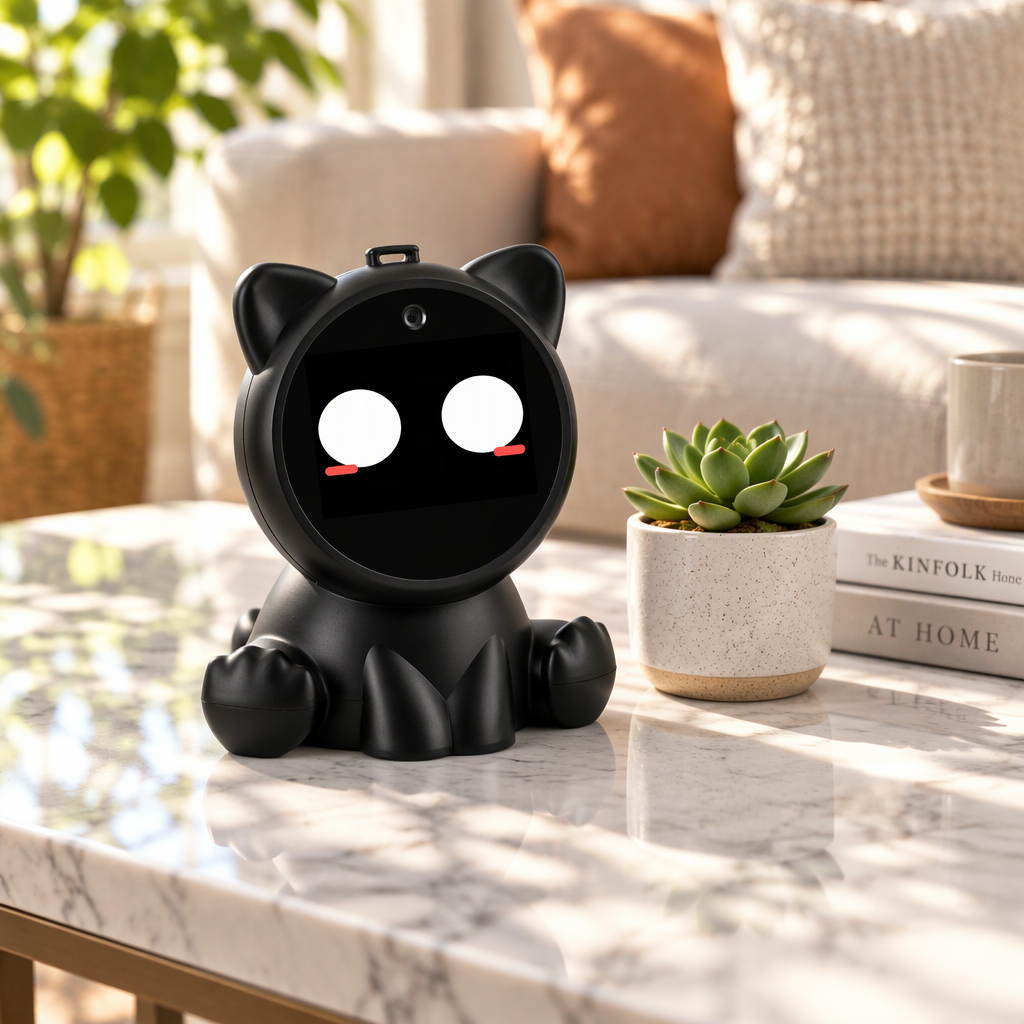
Road Trip AI Robot Pet T23 Talking Digital Cat Voice Chat Story Songs Travel Companion for Kids in Car
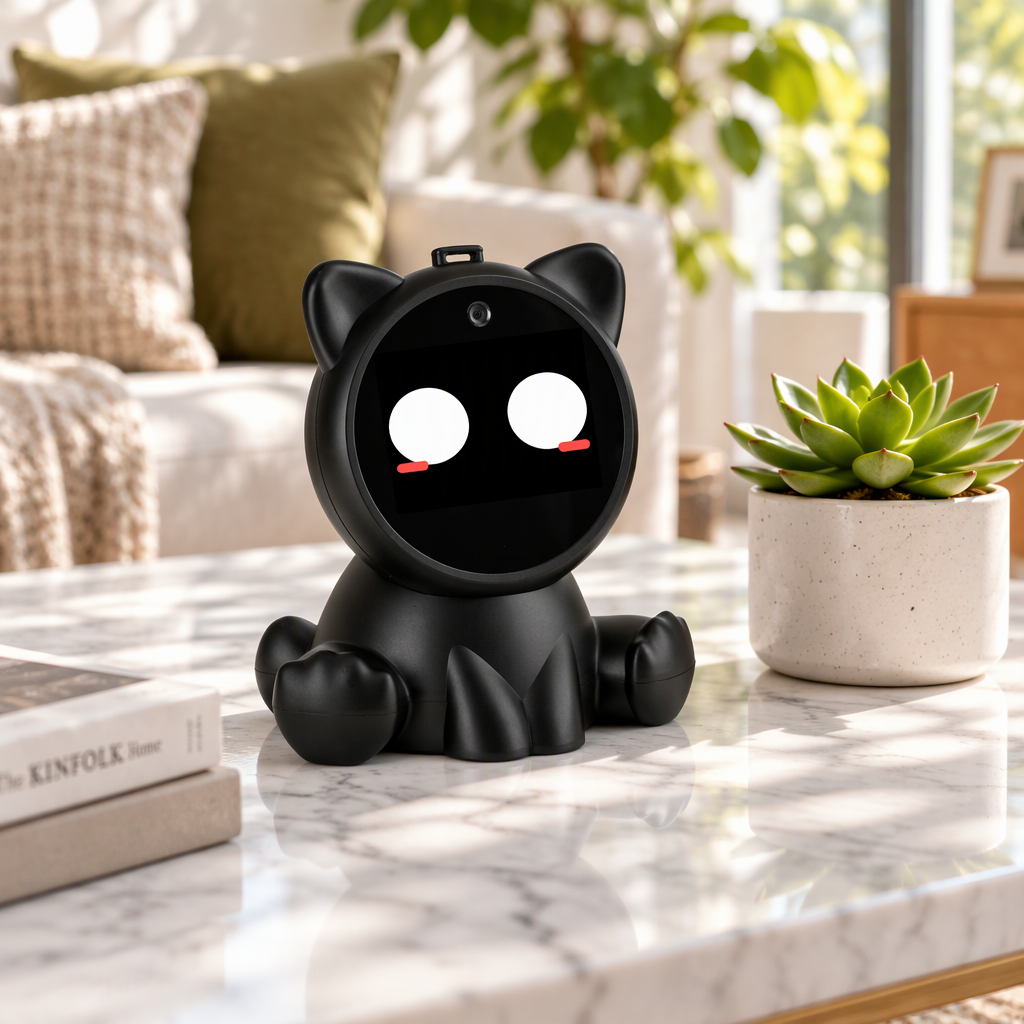
Southeast Asia AI Robot Pet T23 Talking Digital Cat 40 Languages Voice Chat Learning Companion for Children
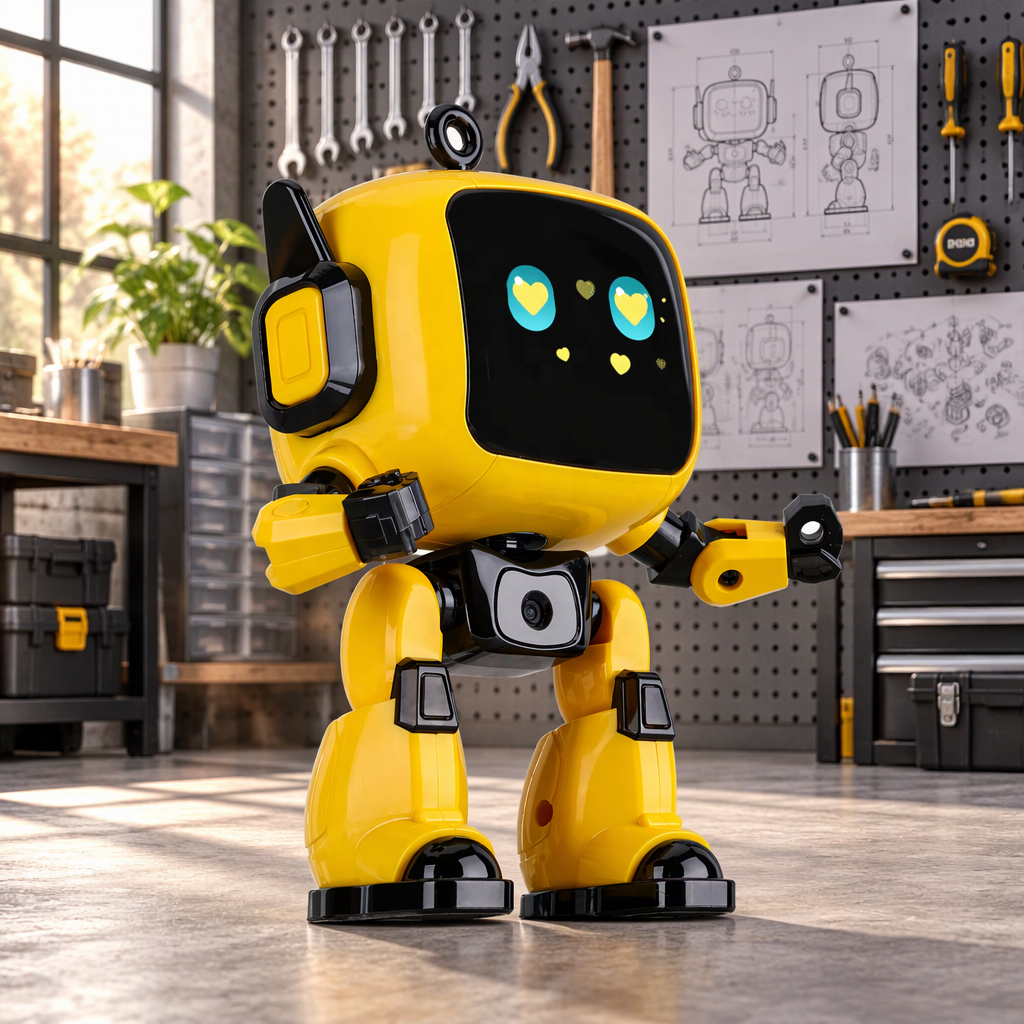
An AI-powered Early Education Robot for Children, Featuring Human-like Voice Storytelling and Science-based Learning Functions.
Engineering Strategic Autonomy in Open-Source Micro Robotics
The transition from hardcoded, rigid toys to microduck open-source robotic architectures represents a structural paradigm shift in consumer electronics procurement. By decoupling proprietary firmware from modular system-on-chips (such as ESP32-S3, RK3566, and dual-core ARM Cortex pipelines), international importers, robotics research academies, and smart toy brands can eradicate vendor lock-in. Our factory-backed solutions provide complete hardware schematics, exposed GPIO headers, ROS2 integration nodes, and custom Large Language Model (LLM) webhook interfaces designed for massive global customization.
Get Catalog• LLM Agnostic Backbones: Native endpoints for ChatGPT-4o, DeepSeek-V3, and localized open-weight models.
• Acoustics & Mechanics: I2S MEMS array, DSP beamforming, magnetic encoder servos.
• Export Compliance: Fully documented CE-RED, FCC ID, EN71-1/2/3, RoHS 2.0, and CPSIA.
Future Sourcing & Procurement Trends in Open Robotic Architectures (2025–2030)
Data-driven procurement strategies are shifting away from monolithic toy manufacturing toward agile, multi-tier ecosystem sourcing. Explore how forward-looking distributors mitigate supply chain vulnerabilities.
1. Edge Computing Over Pure Cloud Reliance
Rising cloud compute egress costs and erratic network latencies have spurred an industry-wide pivot toward onboard edge intelligence. Modern B2B procurement mandates microduck open source robots running quantized speech recognition (Keyword Spotting - KWS) and Small Language Models (SLMs) locally on 0.5–2.0 TOPS NPU chipsets. This reduces operating API overhead to virtually zero while maintaining responsive, sub-300ms auditory and behavioral feedback loops in offline environments.
2. Stringent Privacy & Data Residency Mandates
Regulatory scrutiny across the European Union (GDPR & EU AI Act) and North America (COPPA & California SB-327) has made closed-source recording toys an immense brand liability. Institutional buyers now systematically demand open-source code audits, deterministic network packet inspection, hardware kill-switches for microphones, and verifiable end-to-end telemetry encryption. Sourcing open-architecture hardware empowers brand owners to deploy regional private-cloud proxies.
3. Hybrid Modular BOMs for Rapid Iteration
The standard 18-month consumer electronics development lifecycle is obsolete. Wholesalers and direct-to-consumer enterprises require unified base platforms that can transform from a desk pet to a conversational plush or a wheeled STEAM explorer via injection-molded external shell swaps. By preserving a standardized internal core computing module (the "duck-brain"), supply chain managers slash tool-and-die expenditures while amortizing firmware testing over millions of units.
Engineering Benchmark: Proprietary Closed Toys vs. Open-Source Robotic Platforms
A rigorous specification analysis showing how Shenzhen MDT Technology’s open-architecture framework eliminates total cost of ownership (TCO) bottlenecks.
| Architecture Dimension | Conventional Closed-Source Toy | Microduck Open-Source Framework | B2B Procurement Advantage |
|---|---|---|---|
| Main Computing Core | Masked 8-bit / 16-bit OTP Microcontroller | Dual-Core ESP32-S3 / Linux RISC-V SoC | Infinite Lifecycle Re-programmability |
| Natural Language Processing | Static Pre-Recorded Mask ROM Wav Files | Hybrid: On-Chip VAD + Multi-LLM Webhooks | Zero-Cost Dynamic Content Updates |
| Multi-Language Support | Fixed single language per factory batch | Dynamic 40+ Language Switching Engine | Global Inventory Consolidation |
| Sensor & Actuator Bus | Direct copper soldering, non-expandable | I2C, SPI, UART, & PWM Exposed Headers | Modular Add-On Market Readiness |
| Firmware Deployment | Factory flashing only; zero field servicing | Secure Over-The-Air (OTA) & Open Web Flasher | Slashed Warranty Return Rates (<0.4%) |
| Compliance Verification | Generic factory self-declarations | TÜV Rheinland Inspected, Full CE-RED/FCC Lab Reports | Zero-Delay Customs Clearance |
Evolutionary Trajectories of Open-Source Embedded Robotics
An in-depth perspective on the mechanical, algorithmic, and manufacturing developments transforming modern AI toy fabrication.
1. Multi-Modal Sensory Fusion & Embodied AI
The modern microduck open source robot is no longer a passive plaything; it is an active embodied intelligence node. By coupling Time-of-Flight (ToF) optical ranging sensors, capacitive touch arrays, 6-axis inertial measurement units (IMU), and MEMS dual-microphone matrices, the robot reconstructs real-time physical context. Advanced gesture algorithms process hand waves, desk edges, and spatial proximity directly at the physical layer.
This multi-modal data pipeline feeds directly into proprietary affective state engines. Instead of mechanical linear responses, the robot exhibits genuine emergent behaviors—displaying dynamic digital pupil dilation via OLED matrices, audible synthetic purrs, and localized kinetic reactions that mirror the organic warmth of authentic companion biology.
2. Large Language Model (LLM) Distillation & Low-Bit Quantization
Historically, embedding realistic conversational fluency into consumer-grade hardware required either costly cloud connectivity or resulted in crippling audio delays. Recent breakthroughs in 4-bit and 2-bit model quantization now permit compact transformer networks to execute inference within sub-dollar microprocessors. Microduck robotics integrates seamless model distillation pipelines tailored for juvenile cognitive levels and safety boundaries.
Through dedicated open-source bridge utilities, developers can toggle between localized sub-model execution and upstream high-parameter models (including DeepSeek-V3 and ChatGPT-4o) with sub-second latency. This hybrid orchestration guarantees fluid, nuanced dialogue, empathetic active listening, and adaptive pedagogical pacing without escalating per-device data bandwidth bills.
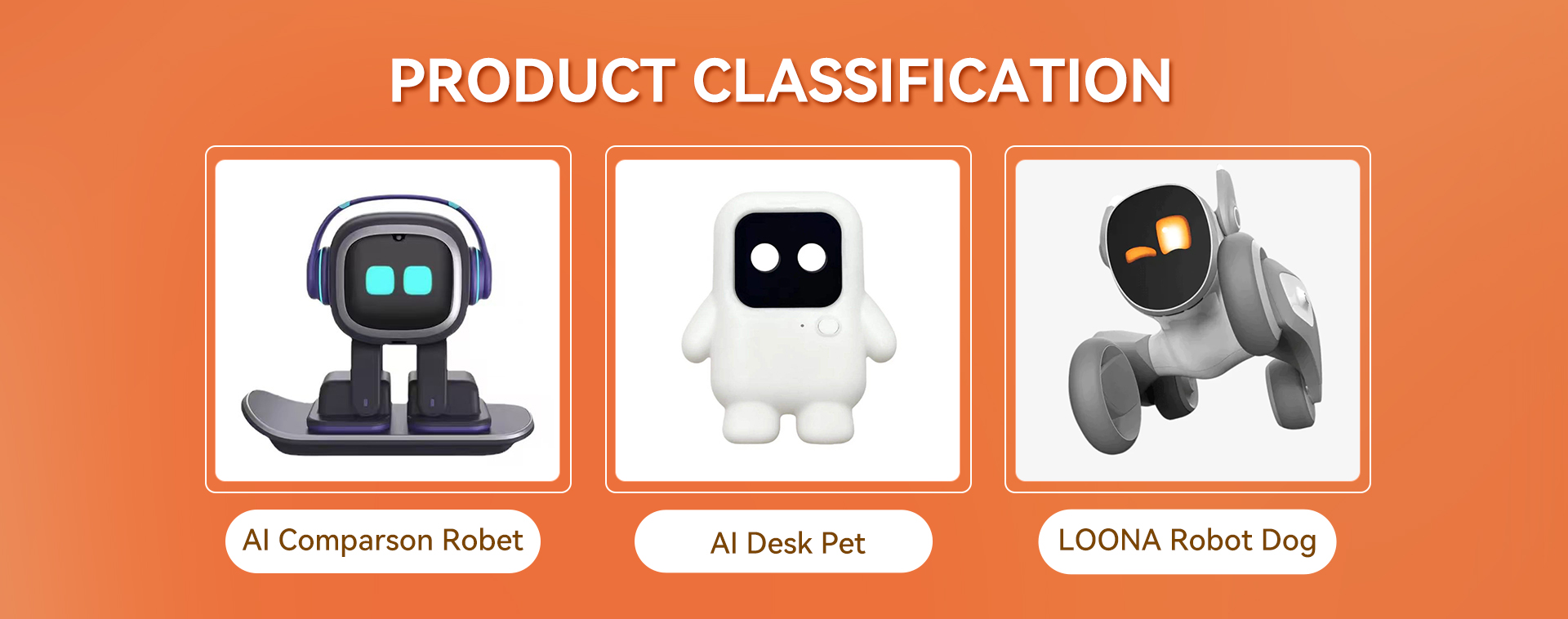
Enterprise Advantages: Shenzhen MDT Technology Co., Ltd. (Microducktoys)
Operating from the world's epicenter of consumer electronics innovation in Shenzhen, Guangdong, we bridge cutting-edge robotic prototyping with industrial-scale mass production.
TÜV Rheinland On-Site Verification
Our production facilities, assembly lines, automated SMT setups, and rigorous incoming material quality control (IQC) protocols have undergone comprehensive, on-site third-party assessment by TÜV Rheinland. Overseas buyers receive genuine, verifiable inspection certificates eliminating the risks associated with non-performing intermediaries.
Ultra-Agile 1-Piece Sample Testing
We actively eliminate upfront capital friction for educational institutions, system integrators, and e-commerce brand builders. We provide functional sample units starting at a minimum order quantity (MOQ) of just 1 piece. Test physical tolerances, run stress cycles on dynamic hinges, and evaluate wireless firmware before committing to volume manufacturing runs.
Turnkey OEM / ODM Sourcing Integration
Rather than negotiating with fractured suppliers for PCBA, micro-gearboxes, silicone skins, and cloud hosting, our unified supply ecosystem consolidates all production phases. We provide end-to-end mechanical design, structural mold fabrication, bespoke sound tuning, custom-molded packaging, and localized compliance certification under a single purchase contract.
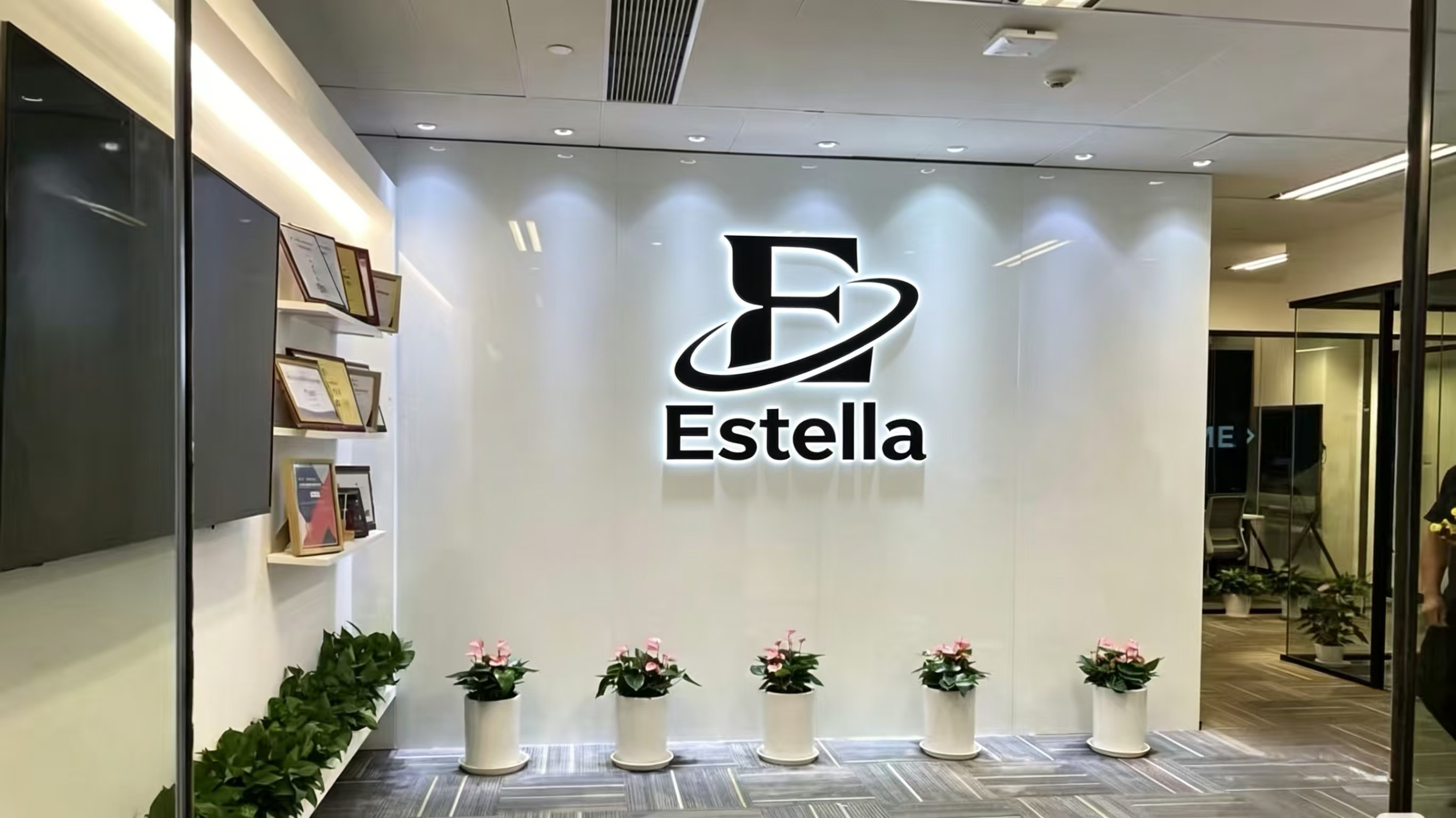
Precision Precision SMT & Cleanroom Assembly
Automated high-speed pick-and-place lines guaranteeing solder paste uniformity on dense robotic micro-PCBs.
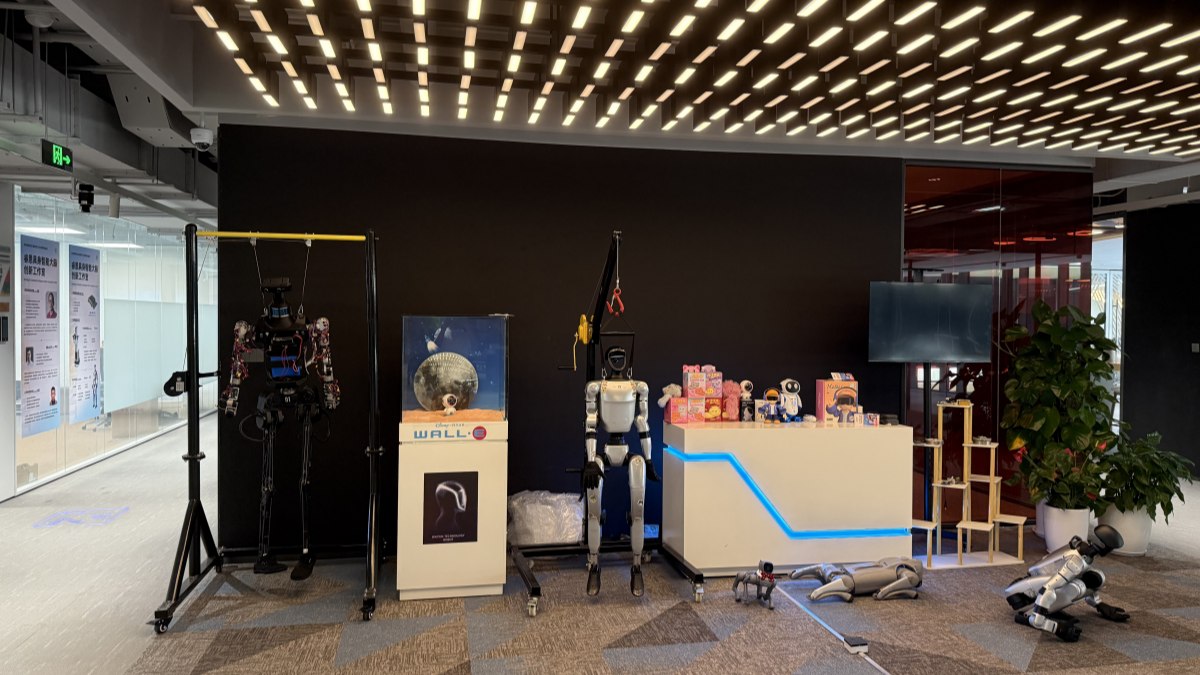
Acoustic & Stress Testing Chamber
Sound pressure, total harmonic distortion (THD), and mechanical cycle stress verification across tens of thousands of actuations.
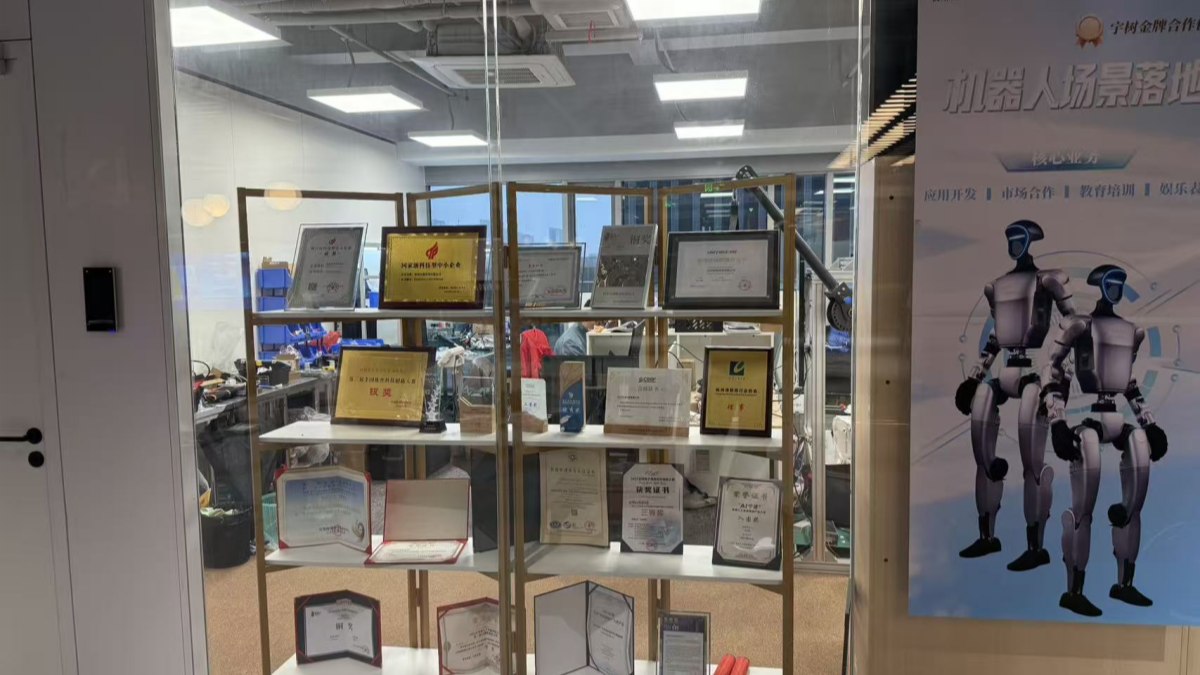
Global Distribution Showroom
Direct access to our complete lineup of functional open-architecture robots, companion plush, and educational systems.
Frequently Asked Questions for Wholesale & Custom Sourcing
Critical operational answers addressing cross-border compliance, logistics, code licensing, firmware flashing, and payment structures.
What licensing governs the microduck open source robot codebase?
Our baseline microduck firmware repositories, hardware schematics, and pinout definition files are distributed under permissive open-source licenses (predominantly MIT and Apache 2.0). This grants commercial wholesale clients complete autonomy to fork, modify, compile, and distribute proprietary commercial firmware without mandatory upstream code contribution or royalty obligations.
How do we handle export certifications for child safety in the EU and USA?
Shenzhen MDT Technology supplies pre-certified baseline units tested against EN71 (Parts 1, 2, 3), EN 62115 (electrical toy safety), CE-RED (radio equipment directive), and EMC requirements for the European Union. For North American channels, models are tested against ASTM F963-17, FCC Part 15B, and CPSIA (lead and phthalates). We provide comprehensive technical dossiers and test reports issued by accredited labs (SGS, TÜV, Intertek).
Can we configure personalized LLM models and proprietary wake words?
Yes. For custom OEM runs (starting at 500–1000 units), our firmware team configures unique acoustic wake-words (e.g., "Hey Duckie" or your proprietary brand identifier) embedded into local DSP flash memory. Furthermore, backend network routing can be permanently directed to your proprietary cloud endpoints, OpenAI enterprise instances, DeepSeek APIs, or private self-hosted Ollama/vLLM server clusters.
What battery safety and dangerous goods protocols are implemented for freight?
All internal lithium-polymer and 18650 cells incorporate internal Seiko protection ICs preventing over-charge, over-discharge, and short-circuit thermal runaway. Every production batch is backed by UN38.3 test summaries, 1.2m drop test compliance, MSDS reports, and air/sea transport maritime safety declarations (IMO/ICAO), ensuring zero clearance bottlenecks via DDP, FOB, or CIF shipping routes.
What international commercial terms (Incoterms) and payment instruments are accepted?
We provide full trade facilitation under EXW, FOB (Shenzhen/Hong Kong/Guangzhou), CFR, CIF, FCA, CPT, CIP, DDP, and DDU terms. Accepted settlement methods include irrevocable confirmed documentary letters of credit (L/C at sight), telegraphic transfer (T/T with 30% deposit, 70% against bill of lading), credit card, PayPal, and escrow facilities in USD, EUR, GBP, AUD, CAD, HKD, and CNY.