5+ Years
Proprietary AI Toy R&D & Assembly
TÜV Rheinland
Verified On-Site Facility Capabilities
37+ Dialects
Multilingual LLM Low-Latency NLP
1 Pc MOQ
Rapid Prototyping & Flexible FOB/DDP
Hardware Catalogue
Top-Tier AI Robotic Companions: Certified Product Specifications
Explore production-grade consumer electronic robots engineered by Shenzhen MDT Technology Co., Ltd. (Microducktoys), tailored for high-volume retail, educational institutions, and brand private-label programs.
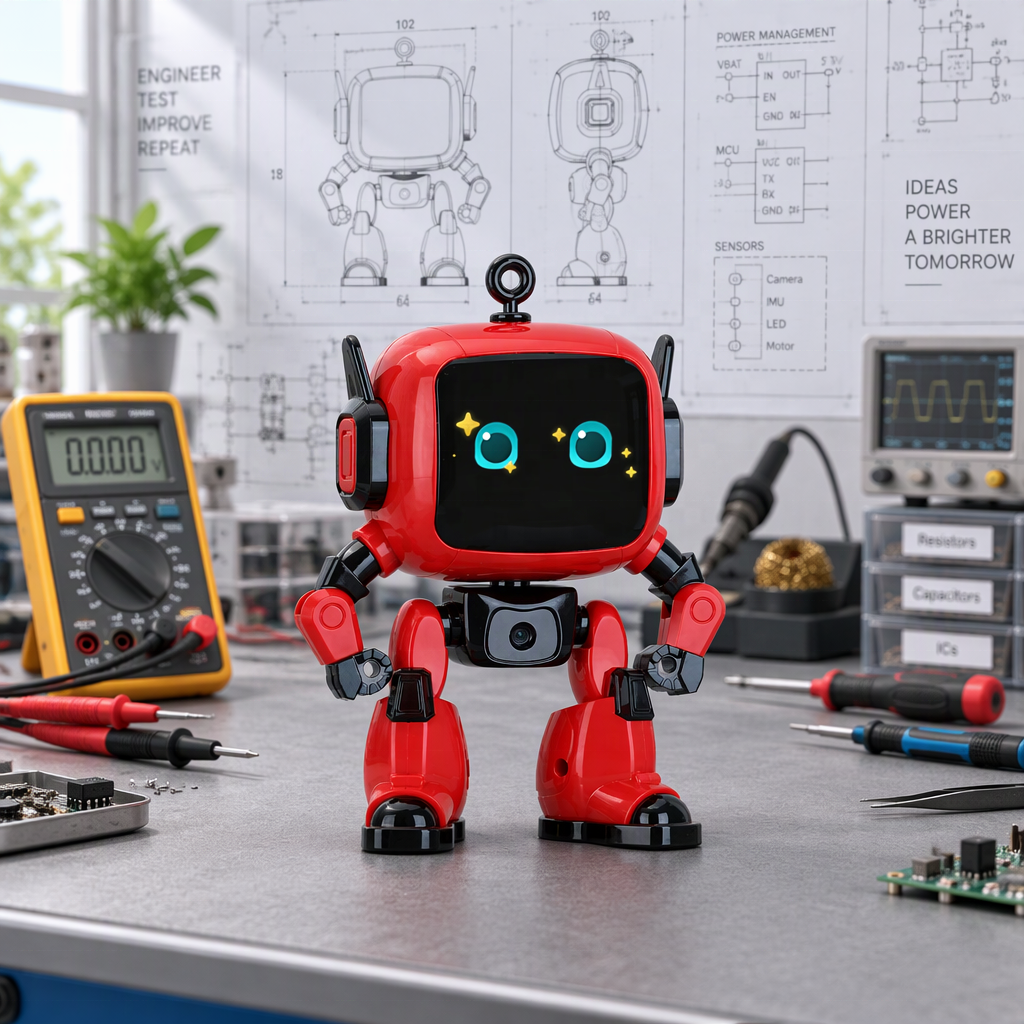
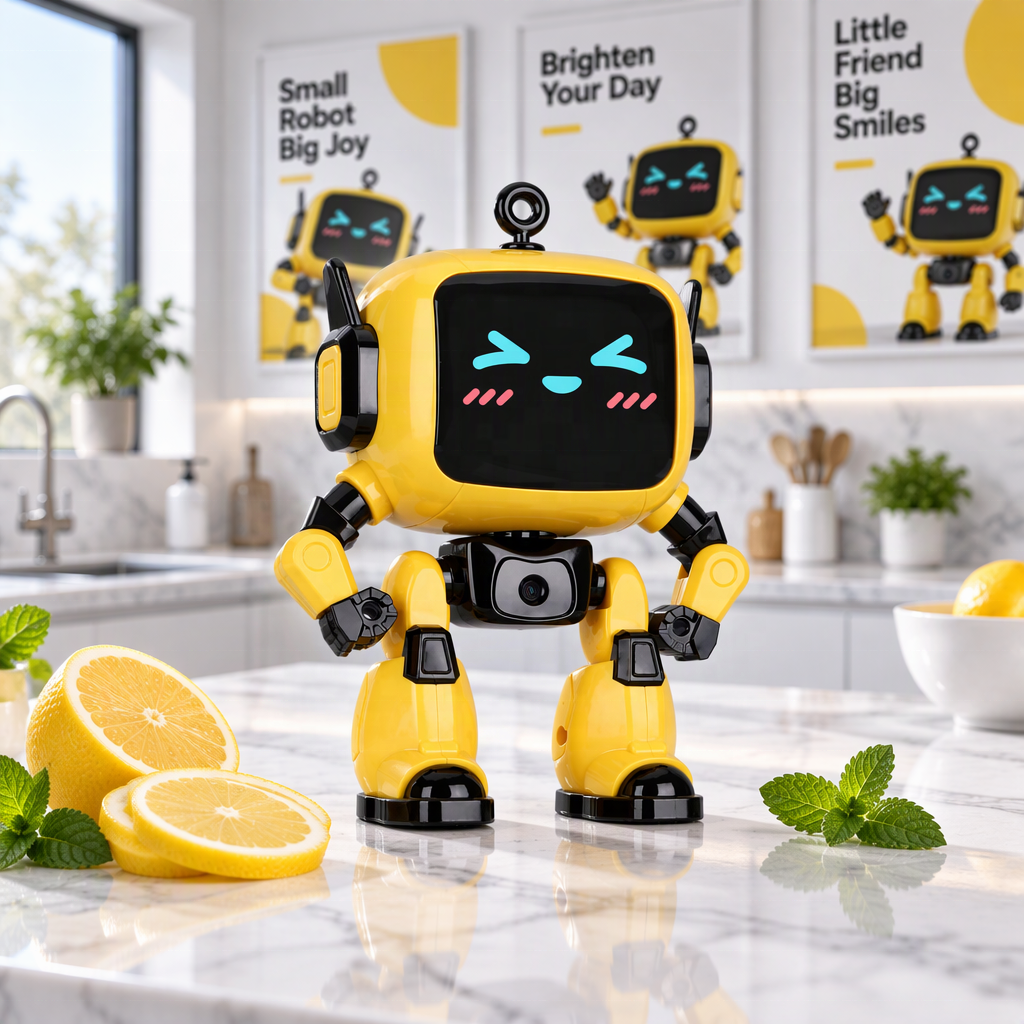
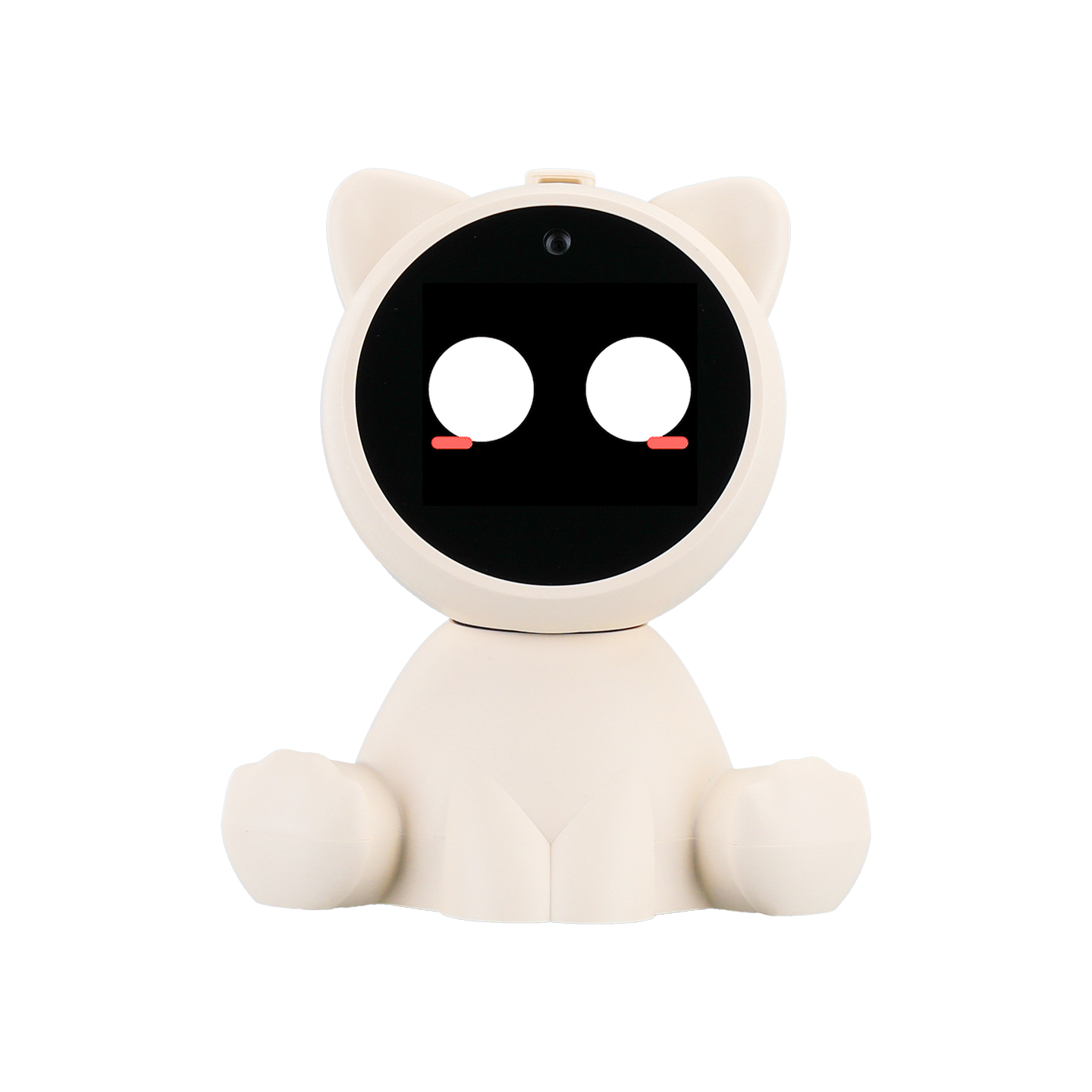
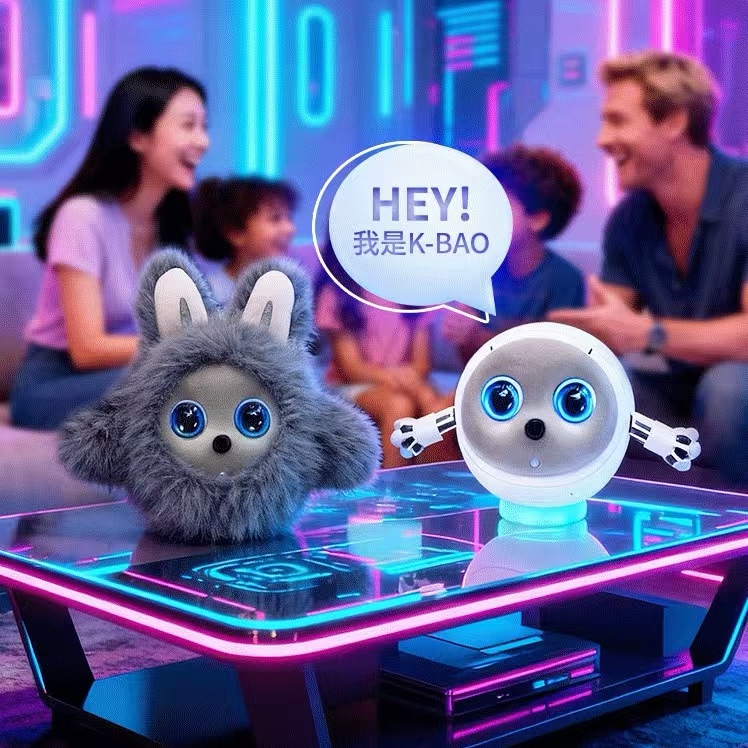

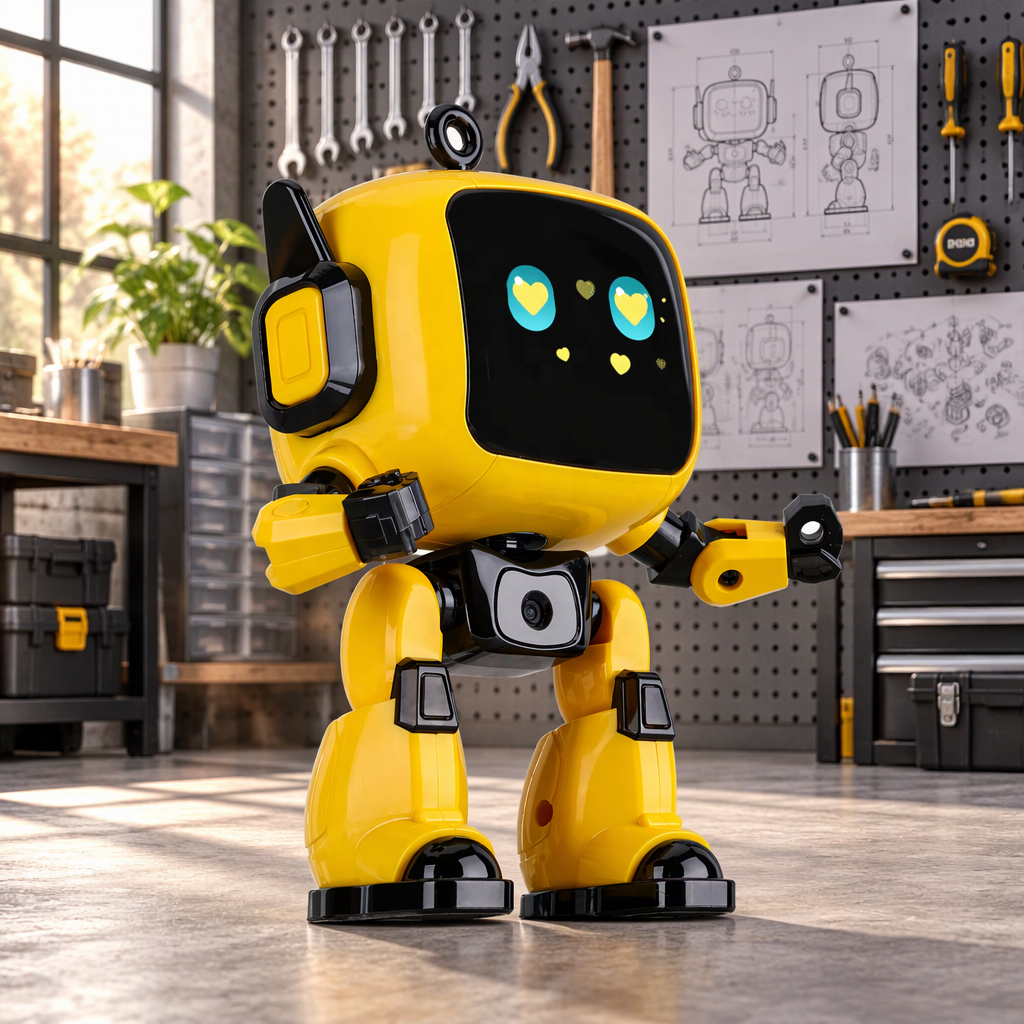
Executive Whitepaper: Engineering Architecture & Procurement Dynamics of Microduck Robot Hardware
The consumer interactive robotics sector is undergoing an unprecedented paradigm shift driven by the convergence of cost-efficient microcontrollers, low-power edge neural processing, and continuous large language model (LLM) synchronization. In this technical overview, cross-border procurement professionals, enterprise distributors, and toy brand managers will discover the explicit technical specifications, manufacturing execution protocols, and supply-chain controls that define the export-grade standard for China's microduck robotic platforms.
As premier exporters based out of the high-tech ecosystem of Shenzhen, Guangdong, Shenzhen MDT Technology Co., Ltd. (Microducktoys) bridges the gap between sophisticated generative AI capabilities and durable child-safe consumer electronics. Navigating the mechanical, acoustic, and computational architecture of these autonomous companions requires deep visibility into component-level parameters and rigorous regulatory adherence.
1. Technical Specification Framework: Core Hardware & Firmware Parameters
Precision procurement requires granular analysis beyond cosmetic casing. Modern robotic companion toys, such as our featured microduck models and smart plush iterations, integrate sophisticated multiprocessor configurations capable of edge keyword detection combined with seamless cloud processing for conversational contextual memory.
| Hardware Subsystem | Standard Production Parameters | Enterprise Customization / ODM Threshold |
|---|---|---|
| Processing Core | Dual-core 32-bit RISC-V / ARM Cortex-M4 (160–240MHz) | Dedicated Edge NPU coprocessor for offline waking & gesture |
| Acoustic & Audio Input | Far-field MEMS Dual-Microphone Array with AEC & Beamforming | Quad-mic spatial beamforming array, SNR > 65 dB, 5m pickup |
| Natural Language Processing | ChatGPT API / DeepSeek LLM hybrid gateway, latency < 900ms | Private local/cloud LLM containerization with custom persona prompts |
| Battery & Power Regulation | 3000mAh–4000mAh Li-Po, UN38.3/MSDS certified with NTC thermal guard | Up to 5000mAh ultra-dense cells, USB-C PD 15W fast charge |
| Facial & Ocular Interface | 1.44–2.0 inch IPS TFT or segmented dynamic graphical LCD | OLED capacitive interactive eye displays, 60fps frame rate |
| Connectivity Protocols | 2.4GHz Wi-Fi (802.11 b/g/n) + BLE 5.2 dual-stack antenna | Dual-Band (2.4/5.8GHz) Wi-Fi + Mesh-ready RF networking |
| Material Integrity | Flame-retardant ABS/PC shell, high-density OEKO-TEX plush outer | Antibacterial hypoallergenic fabric, detachable/machine-washable skin |
Each subsystem operates under strict voltage cutoffs and current draw thresholds designed to optimize thermal dissipation without active fan cooling, preserving structural silence during voice playback and sleep-aid acoustic modes.
Future Procurement Trends in AI Robotics (2025–2030)
Global retail market analysis reveals that the conventional educational plastic toy is rapidly yielding market share to autonomous smart companions. Procurement teams must anticipate these evolving technical paradigms to maintain competitive catalog positioning:
Hybrid On-Device & Edge LLM Computing
Future iterations increasingly utilize compressed Small Language Models (SLMs) on device, enabling low-latency offline responses for rudimentary conversational commands, switching to cloud LLMs only for open-ended creative storytelling, significantly mitigating cloud API server maintenance costs.
Adaptive Emotional Context Engines
Robotic firmware is migrating from stateless response loops to stateful psychographic mapping. Companions track infant, child, or elder speech sentiment over time, progressively modifying vocabulary, pitch, and animated LCD facial expressions to cultivate authentic emotional attachment.
Zero-Trust Privacy & Data Sovereign Compliance
Stringent updates across the Children's Online Privacy Protection Act (COPPA 2.0 in the United States) and the European Union Artificial Intelligence Act necessitate hardware-enforced microphone disable switches, non-retained audio buffers, and end-to-end telemetry encryption.
Evolutionary Trajectory of Microduck & Desktop Smart Companion Hardware
The journey from static friction toys to advanced mechatronic entities represents decades of industrial maturation. Understanding this evolutionary timeline empowers category purchasers to communicate authentic product value to end-consumers:
First Generation (Mechanized Scripted Play): Restricted to rudimentary ROM sound chips with fixed sound bytes, activated by mechanical microswitches or physical push buttons, lacking contextual perception and possessing zero linguistic flexibility.
Second Generation (App-Tethered Bluetooth Peripherals): Smart features relied exclusively on host mobile computing. Cased hardware acted as passive Bluetooth speakers, resulting in disruptive latency, complex pairing friction, and negative consumer usability reviews.
Third Generation (Modern Standalone Connected AI): Integrated direct Wi-Fi networking, direct API calls to cloud intelligence cores (DeepSeek, ChatGPT), adaptive speech-to-text (STT) synthesis, real-time emotion engine rendering on integrated IPS displays, and self-contained over-the-air (OTA) firmware update structures.
Strategic Enterprise Advantages: Why Shenzhen MDT Technology Leads the Sector
Evaluating an export partner requires measuring engineering depth, factory floor repeatability, and international compliance agility. Shenzhen MDT Technology Co., Ltd. (Microducktoys) stands at the nexus of technology and manufacturing excellence:
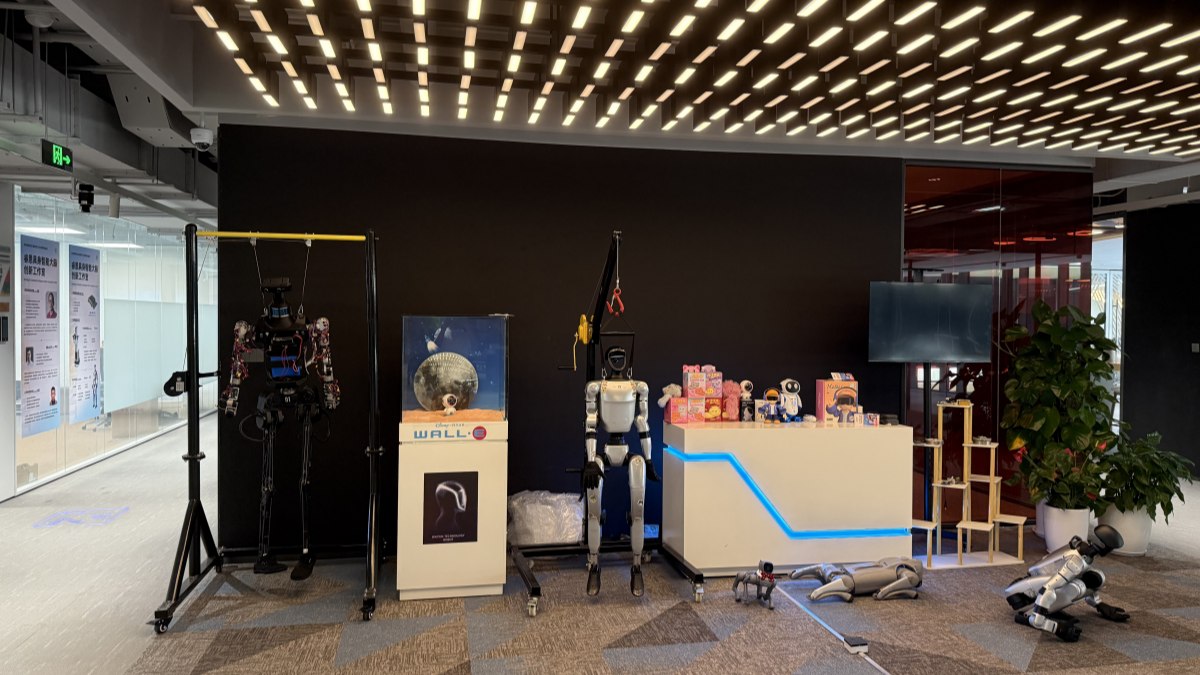
Precision R&D & Rapid Prototyping
In-house industrial design, mold tooling verification, and acoustic chamber modeling for high-clarity voice capture.
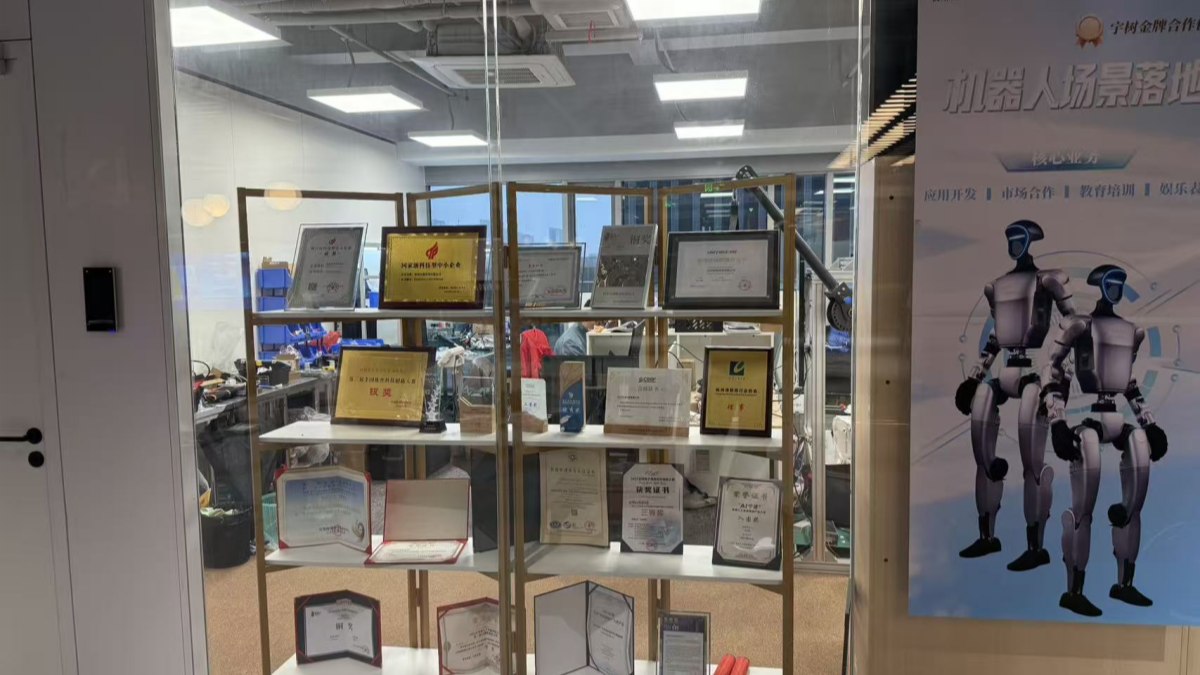
Rigorous 100% End-of-Line QA Testing
Every single unit undergoes automated acoustic testing, drop testing, battery load cycling, and Wi-Fi handshaking verification.
Turnkey Enterprise Customization
Comprehensive OEM/ODM support covering localized multi-lingual packaging, custom TTS voice actors, and app branding.
Our operation has been rigorously vetted on-site by TÜV Rheinland, guaranteeing total transparency across assembly lines, worker welfare standards, and static ESD production defenses. Moreover, our consolidated multi-category capability allows buyers to order mixed container loads including AI plush toys, desktop companion pets, and educational robots under a unified bill of lading, drastically reducing overseas freight overhead and customs inspection delays.
Procurement Knowledge Base
Frequently Asked Questions: Global Sourcing & Export Verification
Direct technical and commercial answers addressing common inquiries from overseas wholesale distributors, compliance directors, and brand partners.
What is the minimum order quantity (MOQ) for custom branding?
For standard catalog configurations and baseline evaluation samples, we support trial orders starting from 1 piece. Surface custom laser logos, custom silk-screen brand identification, and customized retail color box packaging generally start at 500 to 1,000 units. Full ODM architectural development (customized exterior injection tooling, bespoke PCB floor planning, and unique wake-word training) has project-based MOQs determined upon blueprint sign-off.
Which international safety and RF certifications are available?
Our core production lines comply with global consumer goods mandates. Standard models feature valid CE Marking, RED (Radio Equipment Directive), FCC Part 15 Class B compliance, and RoHS 2.0 hazardous substance limitations. For tier-one toy retail, we provide test reports conforming to EN71 (Parts 1, 2, 3), ASTM F963, and CPSIA. Lithium-ion battery packs carry comprehensive UN38.3, MSDS, and 1.2-meter drop test certifications for air cargo compliance.
How does the robot handle voice processing and multi-lingual requirements?
Microduck hardware integrates dynamic natural language engines supporting over 37 global languages and regional dialects. The underlying cloud API stack can interface with ChatGPT-4o, DeepSeek, or localized private cloud microservices depending on target market accessibility. We offer customizable wake-words (e.g., "Hey Duckie"), customized voice timbre parameters, child-protective content filtering, and adjustable latency buffers.
What international commercial terms (Incoterms) and payment methods are supported?
We provide full flexibility supporting FOB Shenzhen, CIF, CFR, EXW, FCA, CPT, CIP, DDU, and DDP (Delivered Duty Paid) directly to regional fulfillment centers or Amazon FBA warehouses. We accept T/T (Telegraphic Transfer), Irrevocable L/C at sight, D/P, D/A, Credit Card, PayPal, Western Union, and secure Escrow. Multi-currency settlements are facilitated in USD, EUR, GBP, JPY, CAD, AUD, HKD, CHF, and CNY.
Acquire Comprehensive Technical Schematics & OEM Pricing Matrix
Initiate direct communications with our Shenzhen engineering and international sales department to access comprehensive datasheet specifications, complete factory audit reports, and volume-discount schedules.