Featured AI Robotic Hardware & STEAM Programming Platforms
Explore our core engineering catalog engineered for volume wholesale and white-label customization. Each unit combines proprietary sensory arrays, embedded firmware, and interactive algorithmic coding interfaces.
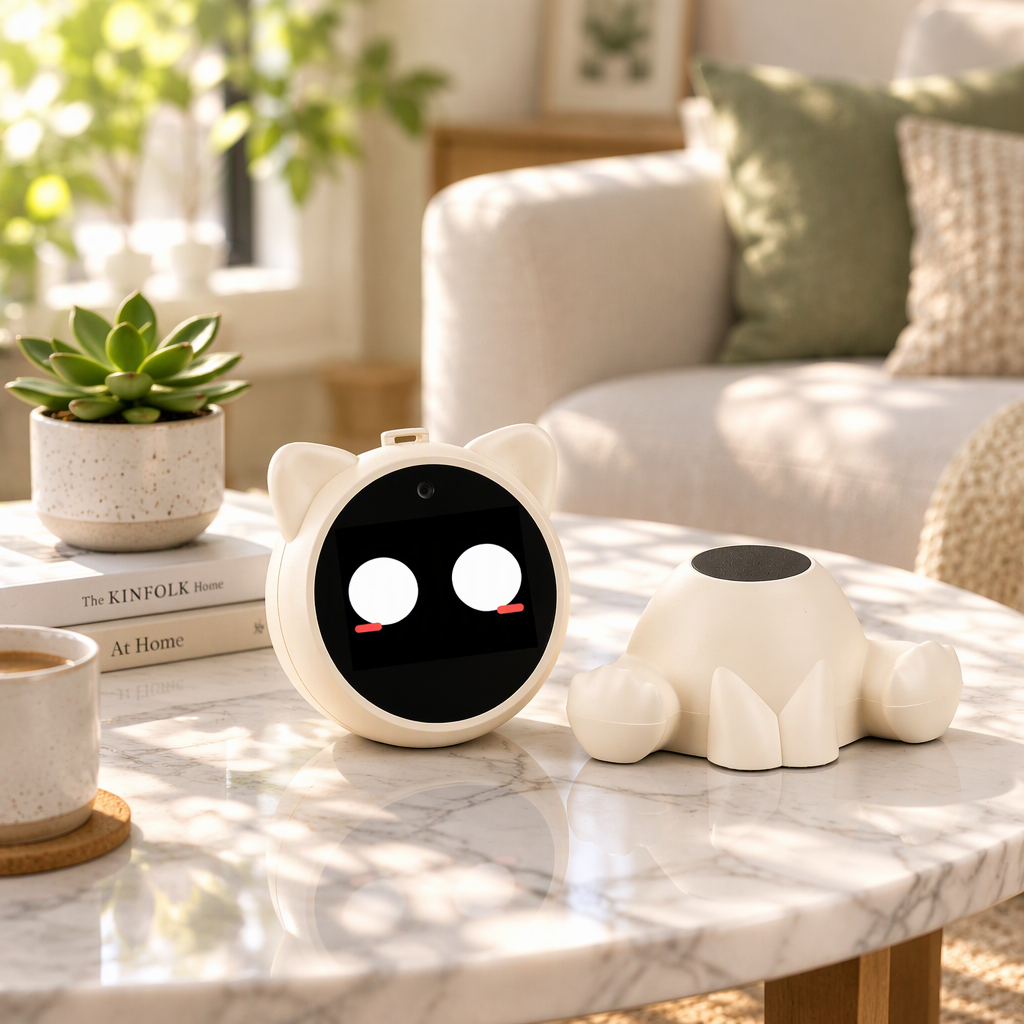
Vocabulary Builder Cat T23 Digital Pet with Word Practice Pronunciation Correction Songs for Early English
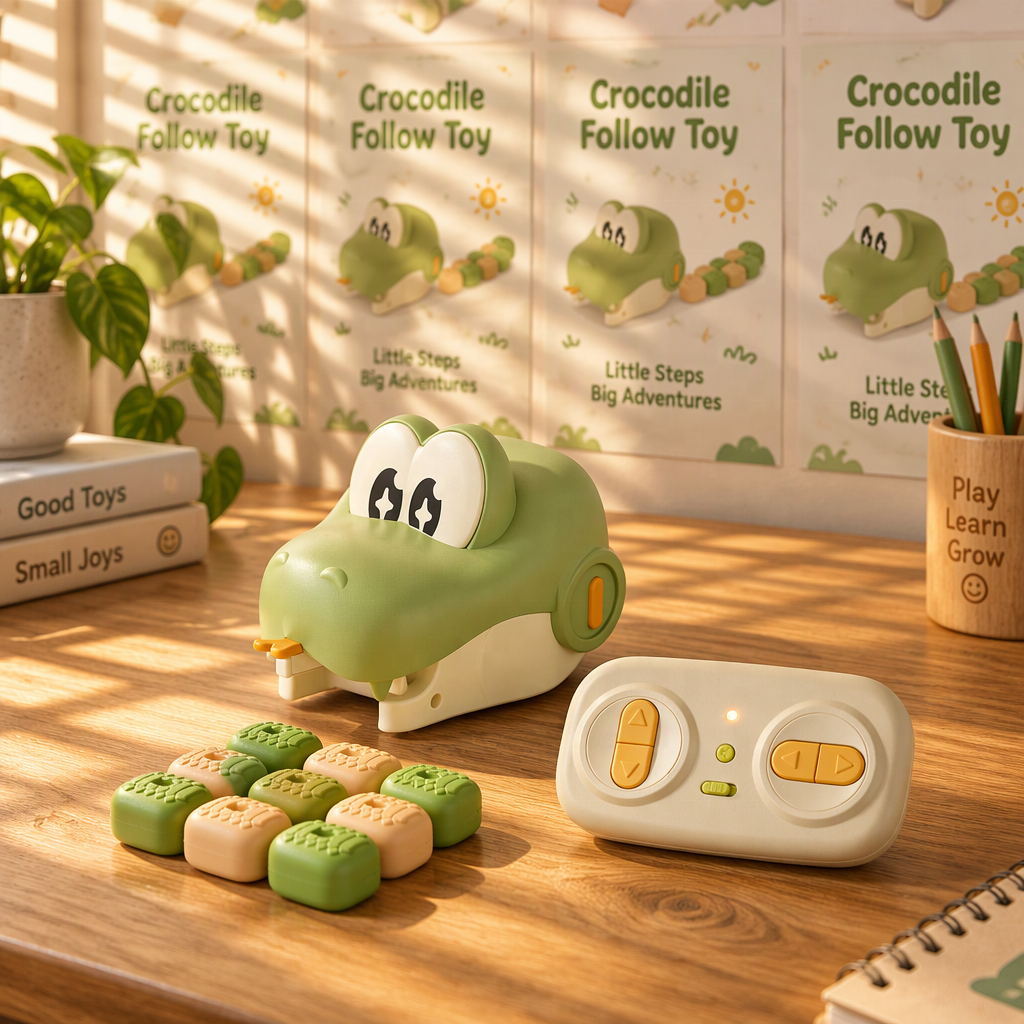
Magnetic Snake-Themed Remote-Control Car Toy Two-Player Battle for Boys "Hungry Bean" Puzzle Birthday Gift for Kids
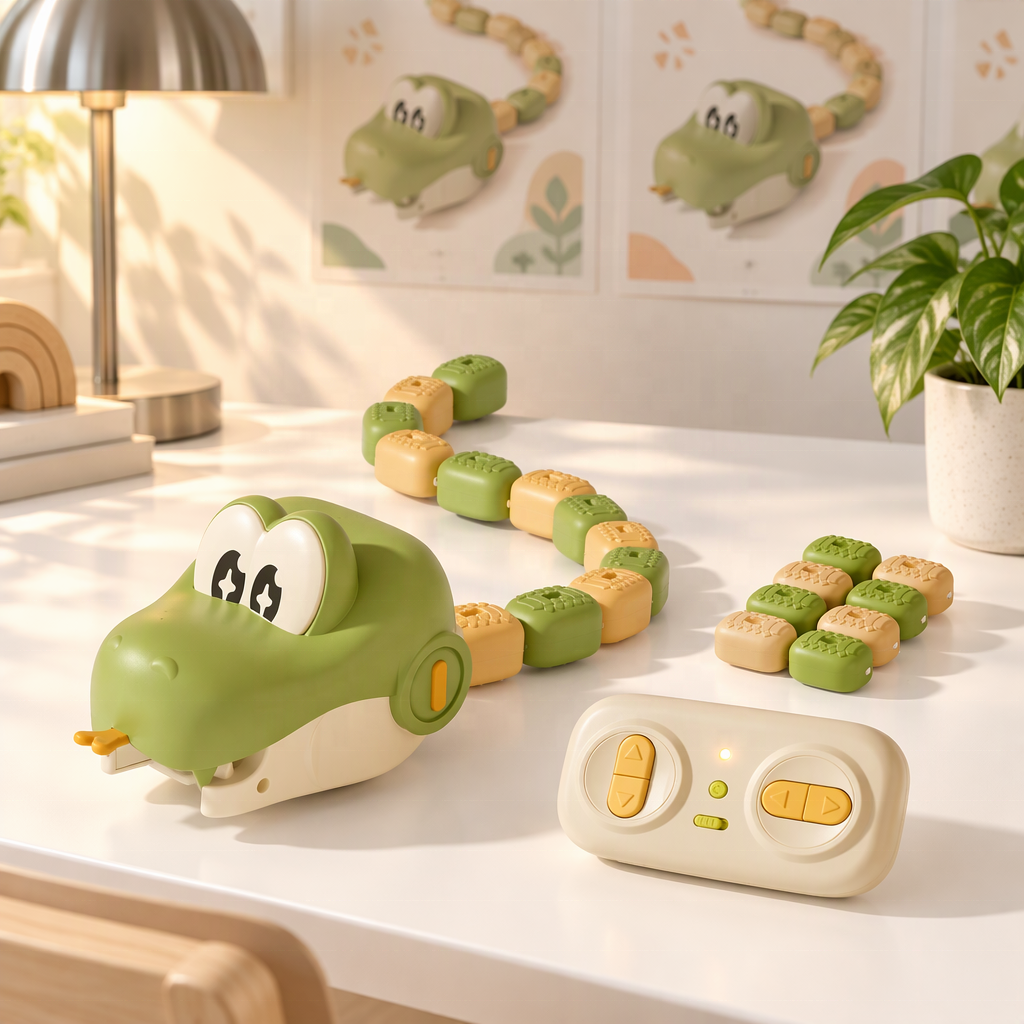
Remote-controlled Interactive Snake That "eats" Food Pieces and Grows Longer an Educational STEM Toy Gift for Children.
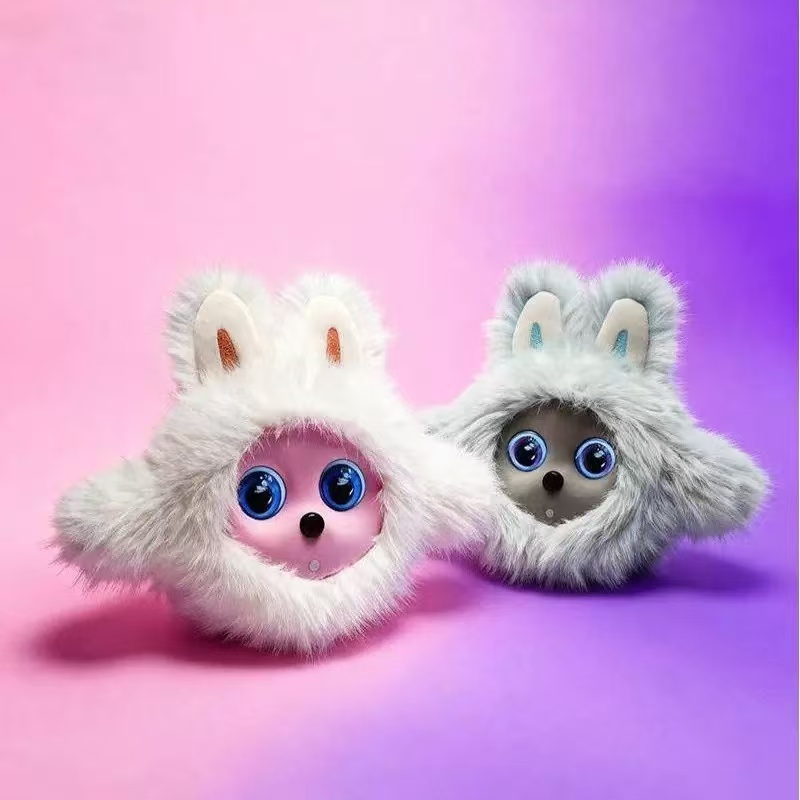
AI Educational Robot Plush Toy with LCD Eyes Voice Chat Storytelling Washable Cover Gift for Boys and Girls
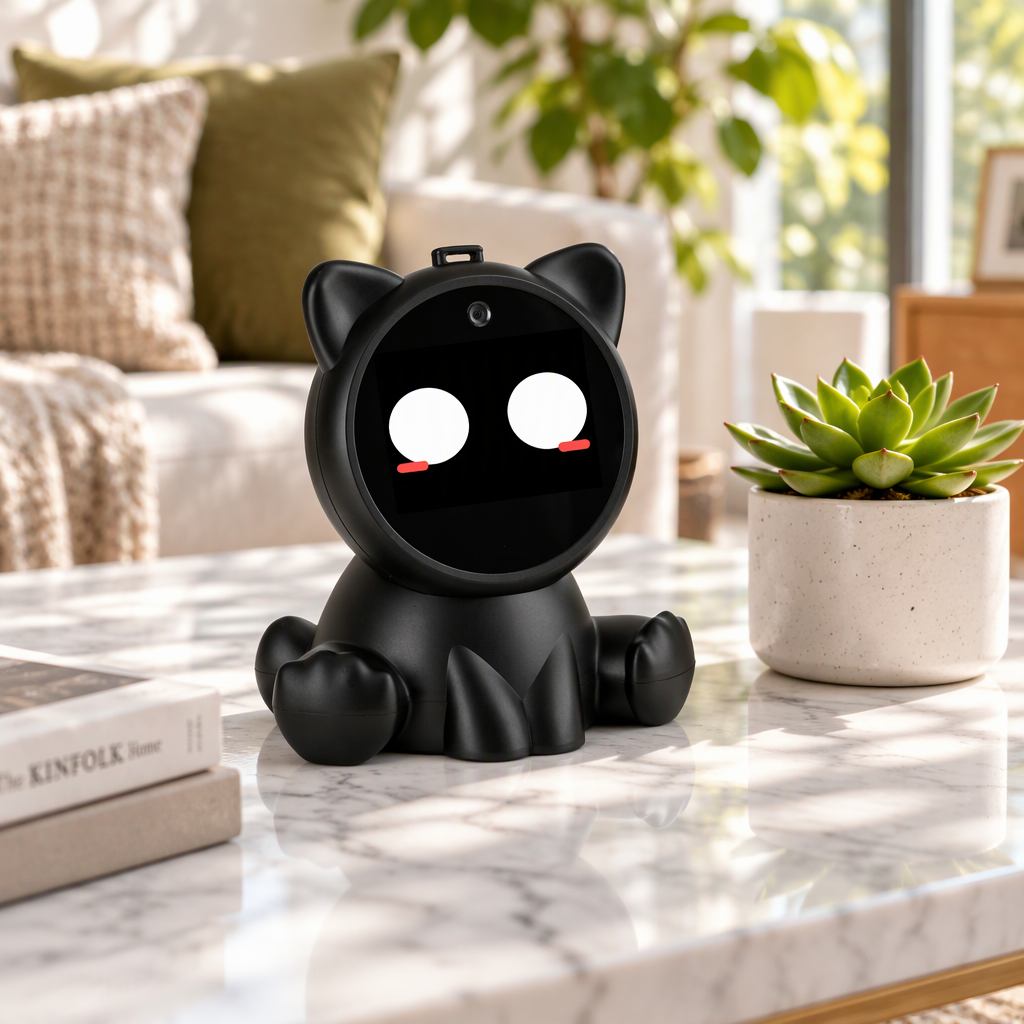
White AI Talking Cat Robot T23 Digital Pet Voice Chat with Camera Magnetic Head for Kids Learning Companion
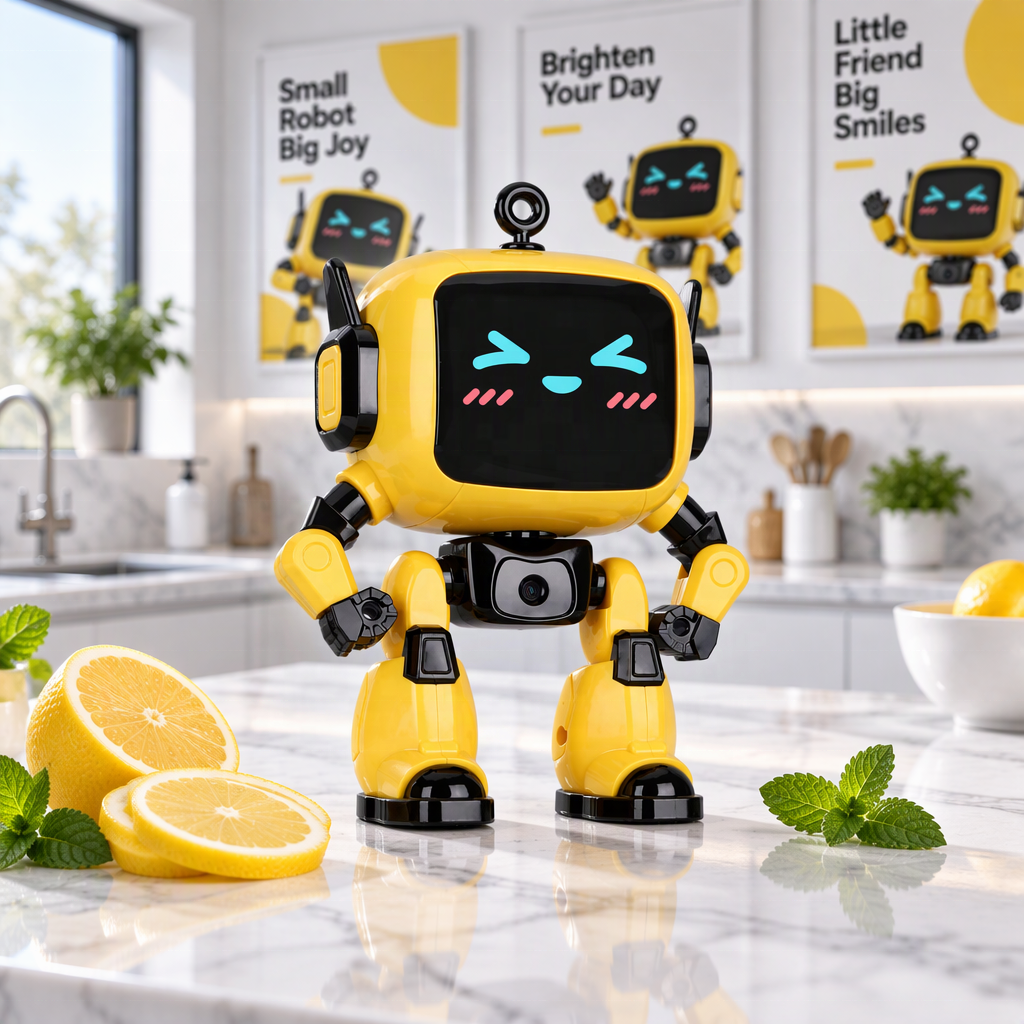
AI-powered Educational Robot Toy for Children, Featuring Interactive Stories and Voice Functions a Perfect Birthday Gift
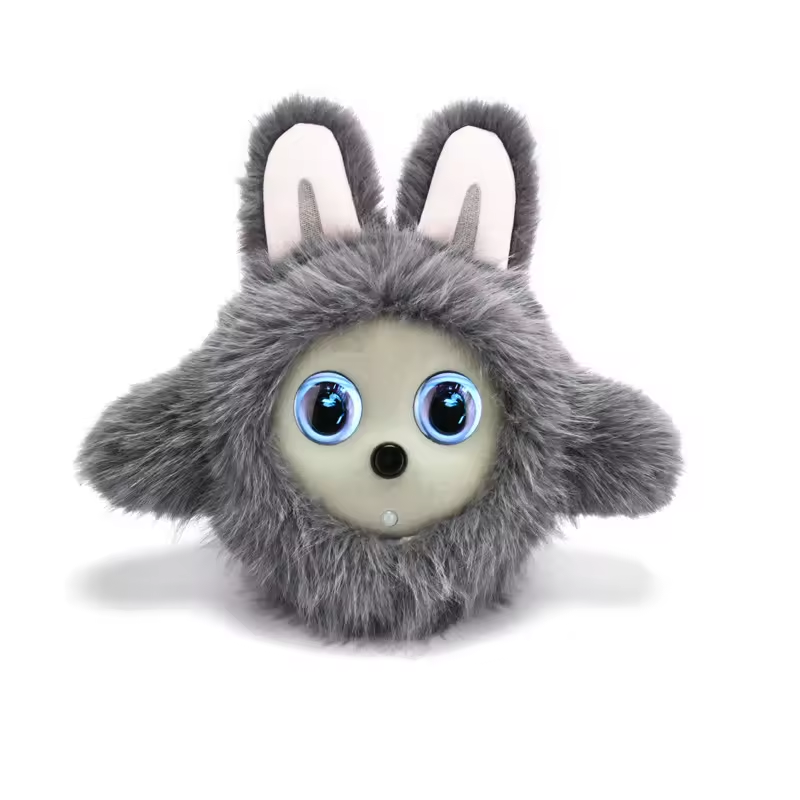
Smart Plush Robot Toy LCD Eyes AI Voice Storytelling Rechargeable 3000mAh Battery Washable Cover for Children
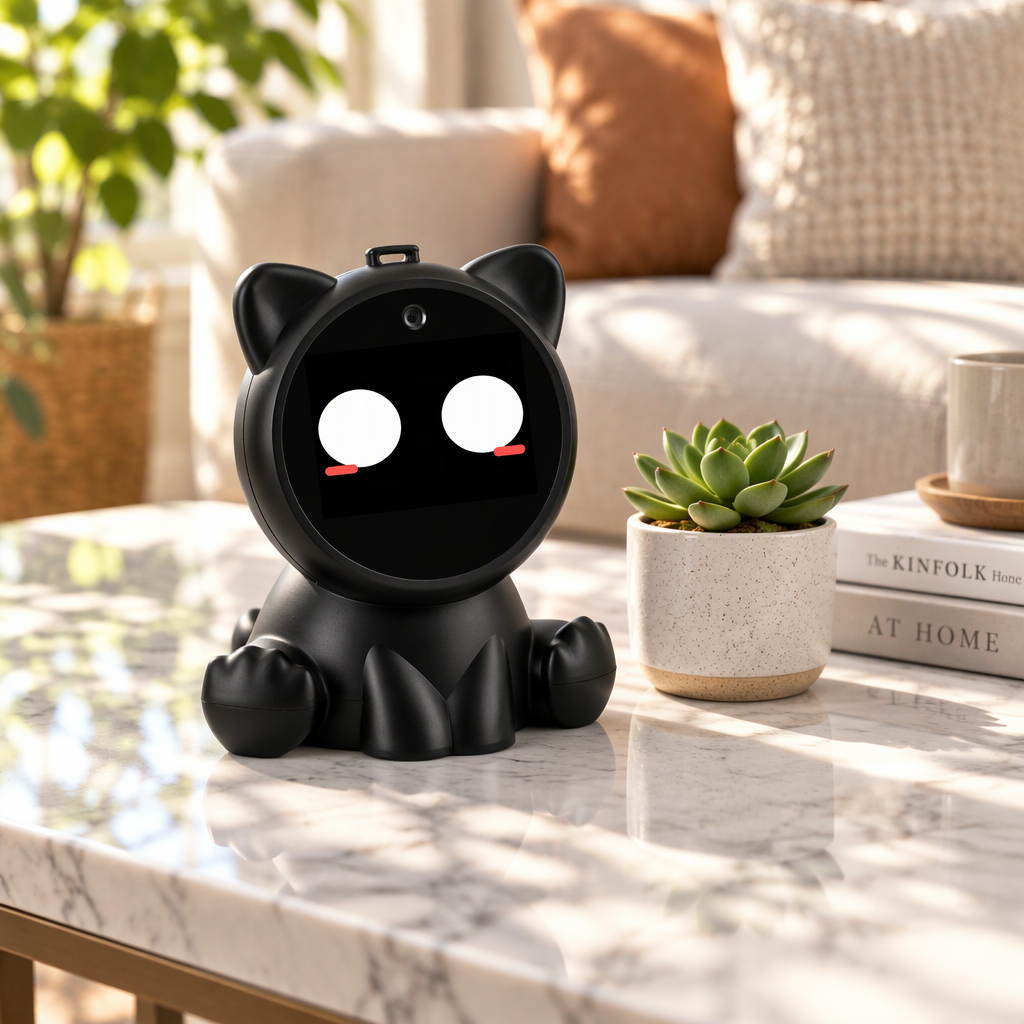
Road Trip AI Robot Pet T23 Talking Digital Cat Voice Chat Story Songs Travel Companion for Kids in Car
Technological Architecture of Microduck Robot Programming & Smart Companion Hardware
The global educational robotics and companion pet sectors have permanently shifted from static scripted playback mechanisms toward contextual edge computing coupled with cloud-synthesized Large Language Models (LLMs). In traditional embedded toys, functionality was constrained by masked ROM microcontrollers executing pre-recorded sound bites through basic piezo transducers. At Shenzhen MDT Technology Co., Ltd. (Microducktoys), our engineering protocols integrate 32-bit ARM Cortex-M architecture with dual-core wireless coprocessors (ESP32-S3 and customized low-power silicon), transforming the standard educational robot into an interactive programmable node.
Modern programmable robotics hardware manufactured within our Shenzhen production facilities incorporates a multi-layer modular stack consisting of: (1) An input sensory layer leveraging digital MEMS microphone arrays with onboard hardware acoustic echo cancellation (AEC) and beamforming; (2) A mechanical locomotion and kinetic feedback layer incorporating high-durability coreless motors, magnetic rotary encoders, and multi-axis IMU sensors; and (3) A communications bridge supporting dual-band Wi-Fi 802.11 b/g/n alongside Bluetooth 5.2 Low Energy (BLE). This architecture enables smooth integration between real-time spatial positioning, algorithmic block coding (Scratch 3.0, Blockly, MicroPython), and dynamic generative AI dialogue stacks like OpenAI ChatGPT and DeepSeek.
Hybrid Edge-to-Cloud Routing
Local wake-word spotting (WWS) and critical safety filtering execute entirely on-chip in sub-80ms. Complex narrative dialogue, pedagogical lesson orchestration, and multi-lingual voice translation query low-latency LLM backends via TLS 1.3 encrypted cloud APIs.
Multi-Tier Graphical SDKs
Educational importers benefit from open SDKs bridging visual drag-and-drop programming directly to real-time physical actuator outputs. Young coders transition seamlessly from basic algorithmic sequencing to conditional loops and Python scripting environments.
Affective Emotion Engines
Our programmable desktop and plush companions utilize dynamic behavioral state engines. Facial expressions rendered via dual high-contrast IPS LCD panels respond organically to tactile capacitive touch zones, kinetic tilts, vocal inflections, and environmental light changes.
Precision Sensory Perception & Robotic Kinematics
When engineering high-volume educational robotics, precision in mechanical calibration directly dictates educational engagement. In the Microduck programmable hardware line, sensory telemetry is mapped across low-latency I2C and SPI buses. In products like our interactive robotic snakes and programmable cats, magnetic hall-effect sensors monitor articulated segment positions with sub-millimeter tolerances, preventing motor stalls and reducing gear fatigue under classroom usage conditions.
- Acoustic Isolation Chambers: Specialized microphone housing isolates internal servo noise from voice recognition pickup.
- Over-The-Air (OTA) Firmware Stacks: Remote firmware flashing allows overseas clients to push proprietary language packages and logic updates post-delivery.
- Dual-Cell Battery Management Systems (BMS): Integrated I2C fuel gauging provides precision charge protection, thermal monitoring, and deep-sleep states exceeding 180 days.
Future Sourcing Trends: Strategic Imperatives for International AI Toy Buyers
B2B consumer electronics and educational toy procurement is traversing a generational transition. Sourcing directors across North America, Europe, and Asia-Pacific are consolidating vendor matrices, pivoting away from fragmented single-item toy suppliers toward integrated manufacturing partners capable of orchestrating hardware engineering, compliant firmware pipelines, and cloud platform maintenance under a unified roof. Understanding these microeconomic and technological shifts is paramount for wholesale profitability and inventory velocity over the coming five-year cycle.
Screenless Computational Learning
Rising parental pushback against screen time is surging demand for tactile, screen-free educational hardware. Retailers increasingly mandate physical tangible programming interfaces—such as tactile code cards, magnetic track builders, and audible voice-guided coding robots—to preserve cognitive focus.
Zero-Trust Child Privacy (COPPA/GDPR)
Western regulatory crackdowns demand rigorous compliance audits on voice-enabled toys. Importers cannot risk uncertified microphones. Tier-1 buyers demand zero-persistent voice logging, edge-sanitized telemetry, and closed-loop LLM processing profiles where audio buffers are purged post-inference.
Hybrid Soft-Hard Robotics ("Plush-Tronics")
The consumer convergence of cuddly plush companions with advanced robotic logic modules represents the fastest-growing toy segment globally. The challenge resides in thermal management and washable structural engineering—an area where Microduck has secured proprietary design patents.
Supply Chain Consolidation: Sourcing from an Ecosystem Factory
Procuring AI robotics historically required managing three disconnected entities: an acoustic module supplier, a plush/plastic casing tooling house, and an overseas app development agency. This fragmented chain yielded catastrophic shipment delays, firmware version drift, and multi-party liability whenever certification tests failed.
By establishing long-term master supply agreements with Shenzhen MDT Technology Co., Ltd., overseas brands eliminate the intermediary tax. We handle the full product life cycle: high-precision mold fabrication, automated SMT surface mounting, cleanroom plush sewing, drop-impact testing, RF spectrum compliance, and export documentation under single-point project accountability.
Shenzhen MDT Technology Co., Ltd.: Your Strategic Engineering & Sourcing Hub
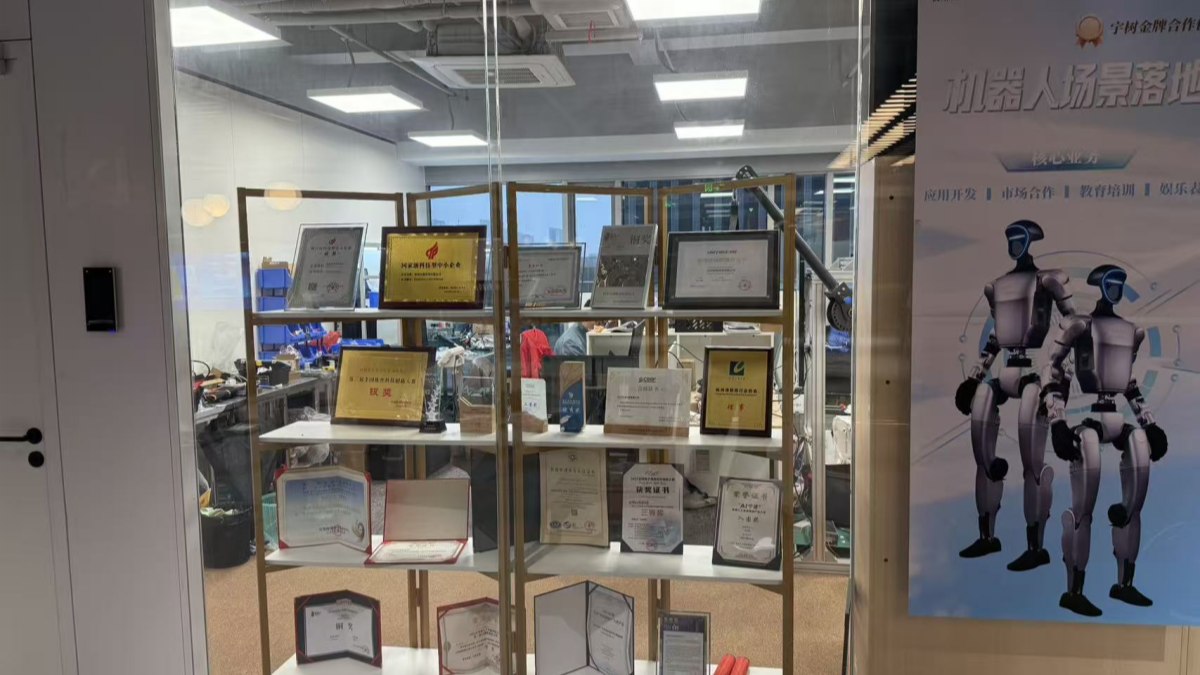
Headquartered in the technology and electronics manufacturing capital of Shenzhen, Guangdong, China, Shenzhen MDT Technology Co., Ltd. (Microducktoys) operates as an integrated innovator spanning concept R&D, structural tooling, firmware engineering, and volume export assembly. Backed by over five years of dedicated focus on smart consumer electronics and AI robotics, we bridge bleeding-edge AI models directly into market-ready retail products.
 TÜV Rheinland Inspected
 Verified Multi-Specialty
Full OEM/ODM Versatility
We tailor hardware molds, injection colorways, plush fabric pile textures, wake words, custom persona voice synthesis, companion app UI branding, and retail blister-box packaging tailored to your brand identity.
1-Piece Sample Evaluation
We de-risk cross-border procurement through sample availability from 1 single piece. Conduct rigorous RF signal, drop resistance, speaker frequency response, and battery burn-in tests prior to bulk purchase orders.
TÜV Rheinland On-Site Verified
Our production premises, trade history, quality management protocols, and multi-specialty manufacturing workflows have been physically inspected and verified by independent auditor TÜV Rheinland.
Comprehensive Sourcing, Technical & Compliance FAQ
Engineered to address common due-diligence concerns raised by import directors, compliance officers, and purchasing managers during international procurement cycles.
For off-the-shelf catalog models (such as our T23 AI Talking Cat or Magnetic Snake combat sets), we support evaluation orders starting from as low as 1 piece. For private-label production involving customized silkscreen logos, retail artwork, and localized instructional booklets, MOQ typically starts at 200 to 500 units depending on housing tooling. For deep architectural ODM modifications—including custom injection plastic molds, custom DSP voice acoustic programming, or custom app builds—project MOQs are assessed based on mold tooling amortization, generally beginning around 1,000 to 3,000 units.
Our models feature a flexible AI pipeline capable of connecting to tier-1 LLM backends including OpenAI ChatGPT (GPT-4o mini / GPT-3.5 turbo) and DeepSeek LLM engines, optimized for rapid, natural language turn-taking. For clients targeting domestic regional compliance or distinct dialect markets, we support API endpoint customization, customized wake-word training, and cloud system prompt tuning to restrict responses strictly to child-safe, age-appropriate educational domains.
All export models comply with international directives. We provide CE, FCC, RoHS, and EN71/ASTM-F963 testing documentation executed by accredited laboratories (SGS, TÜV, Intertek). For products featuring wireless connectivity (Wi-Fi/Bluetooth), RED (Radio Equipment Directive) and FCC ID test reports are supplied. On child data protection, our firmware implements strict zero-storage voice principles: voice frames are encrypted in transit via HTTPS/WSS, processed for speech-to-text inference, and deleted immediately without building permanent biometric voice profiles, ensuring compliance with US COPPA and EU GDPR-K.
All integrated rechargeable cells (including our 3000mAh extended-capacity plush robotic batteries) undergo exhaustive certification before packing. We supply fully compliant UN38.3 test summaries, Material Safety Data Sheets (MSDS), and drop-test transport reports for dangerous goods classification (PI966 / PI967). Our logistics department coordinates DG-certified ocean container and air freight dispatch with specialized battery-rated forwarders.
We offer comprehensive international commercial terms including FOB Shenzhen, CFR, CIF, EXW, FCA, CPT, CIP, DDU, and end-to-end cleared DDP (Delivered Duty Paid) to your destination warehouse. Accepted settlement methods include Telegraphic Transfer (T/T), Letter of Credit (L/C at sight), D/P, PayPal for prototypes, Western Union, and secure Escrow. We transact across multiple currencies: USD, EUR, GBP, CAD, AUD, JPY, HKD, and CNY.
Standard inventory samples dispatch within 48 to 72 hours. Customized prototypes featuring custom silkscreen, firmware loading, or rapid tooling modifications require 7 to 15 business days. Mass production lead times for standard wholesale runs (500 to 2,000 units) span 20 to 25 calendar days; high-volume containerized orders (5,000+ units) typically ship within 30 to 35 calendar days following golden sample confirmation and deposit settlement.
Accelerate Your Educational Robotics Line With China's Top Exporter
Connect directly with our engineering sales team in Shenzhen. Request evaluation samples, full OEM/ODM pricing tiers, technical SDK documentation, and factory compliance dossiers.