Precision Interactive Robotics & Dynamic Manipulation Products
Explore our export-grade portfolio engineered with high-density micro-actuators, precision tactile response, and embedded conversational edge intelligence.
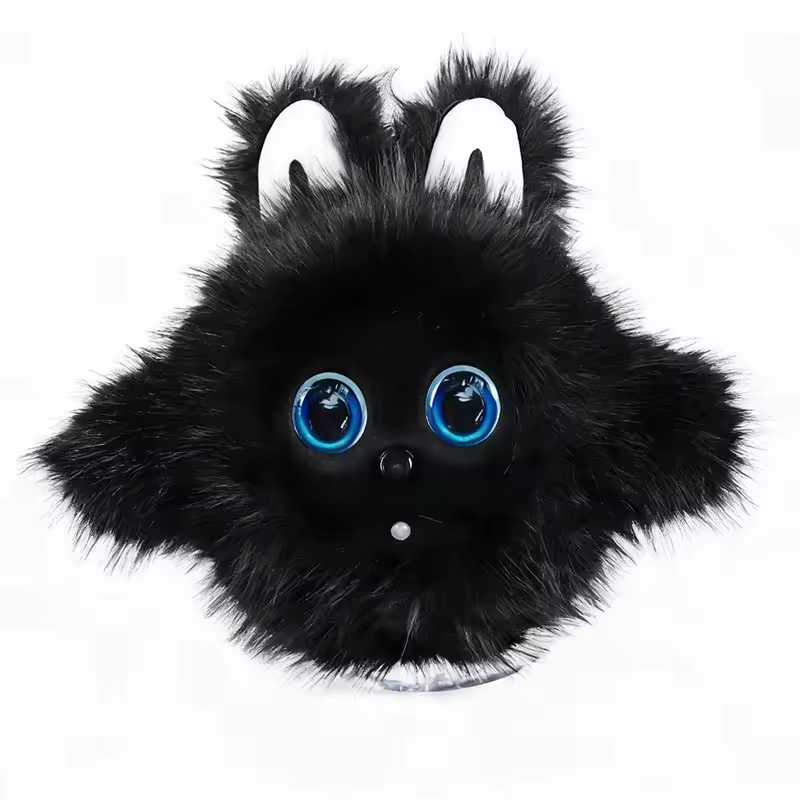
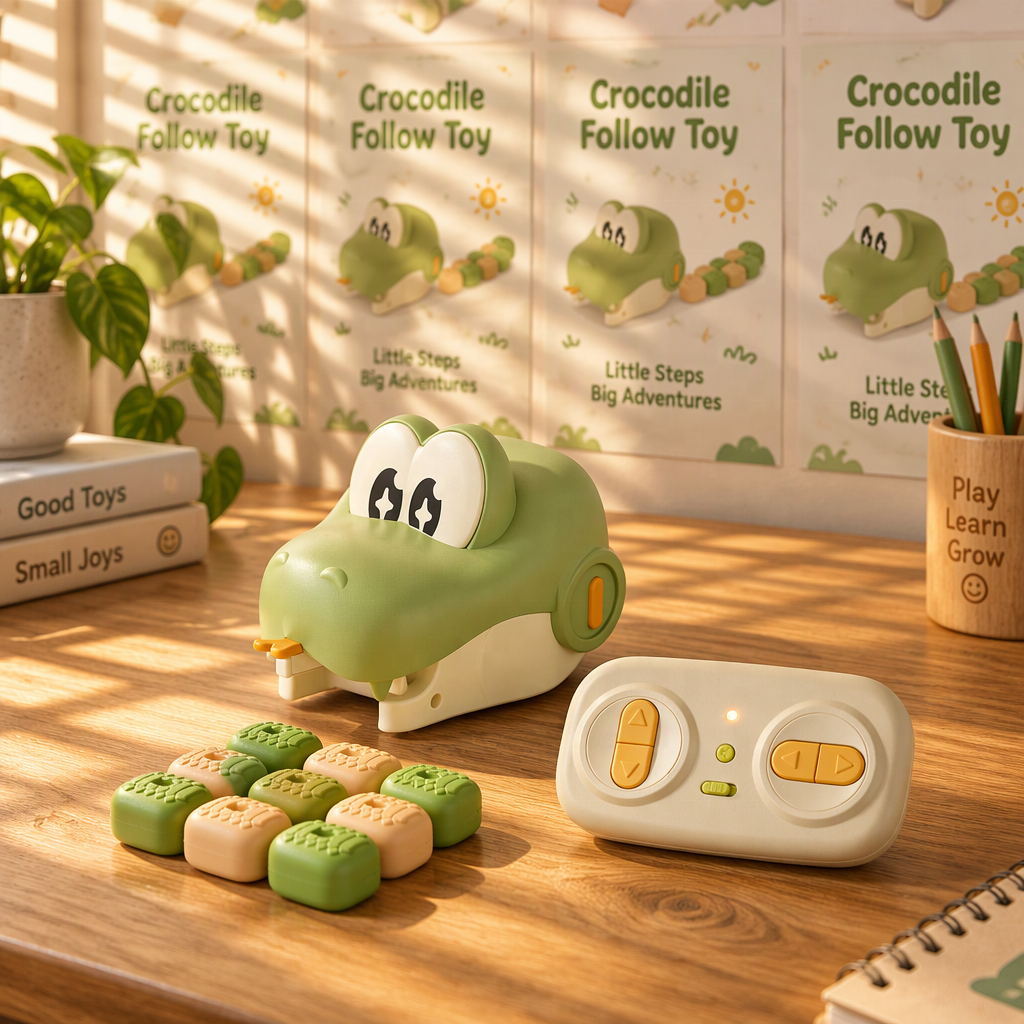
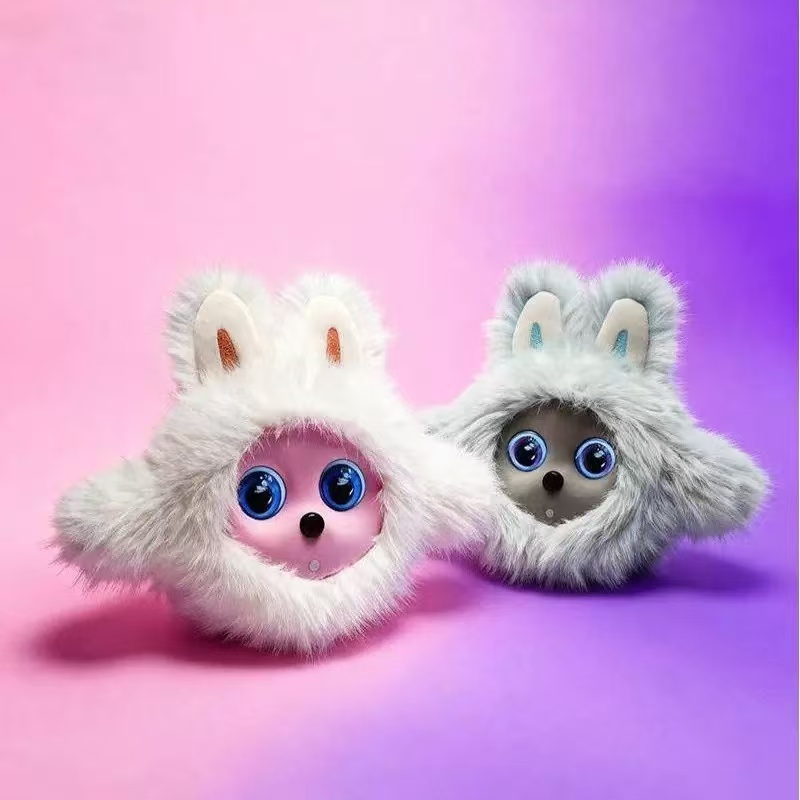
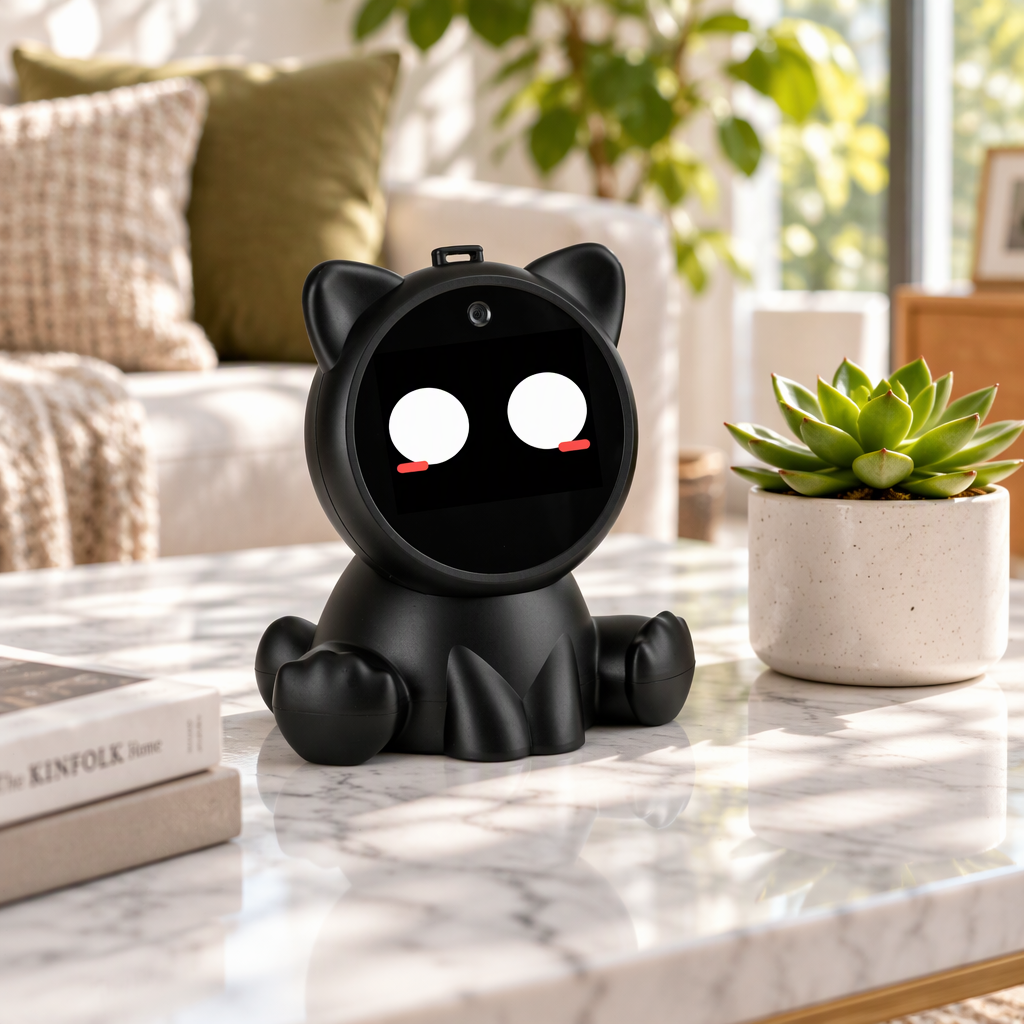

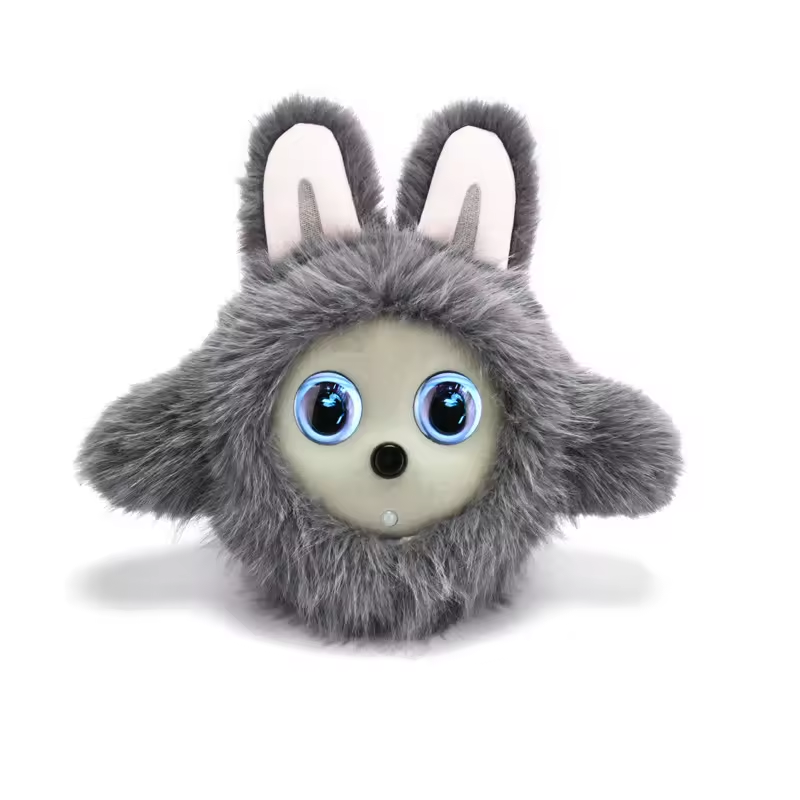

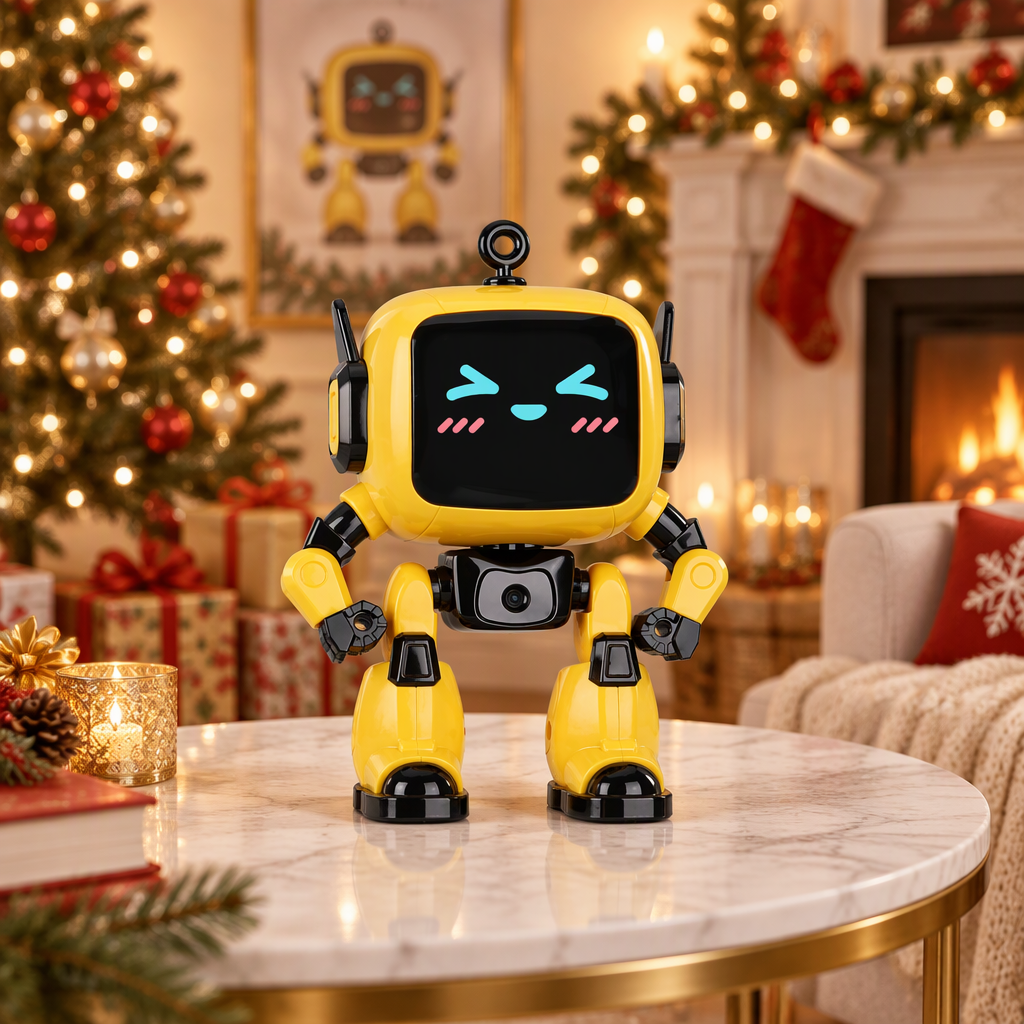
Mechatronic Object Grasping Architecture: Kinematic Control & Dynamic Manipulation
A rigorous industrial perspective on how microduck object grasping technologies bridge tactile physics, miniature magnetic latching, and edge-vision guidance in consumer smart toys.
1. Precision Actuation & End-Effector Mechanics in Microduck Systems
In modern robotic companion toys, object grasping and dynamic physical manipulation represent one of the most demanding mechanical design frontiers. Unlike industrial robotic arms that operate in strictly calibrated spatial coordinates with heavy torque allocations, consumer-grade toys engineered by Shenzhen MDT Technology Co., Ltd. (Microducktoys) operate within tight thermal, volumetric, and electrical envelopes. The physical interaction mechanics—such as the high-velocity pursuit and magnetic pickup mechanisms found in our Hungry Bean Snake systems, and the visual object tracking in the T23 Digital Robot Cat—demand a sophisticated combination of micro-actuators, low-inertia gear trains, and magnetic flux optimization.
Microduck engineers employ custom DC coreless motors coupled with high-reduction POM (polyoxymethylene) gears. This combination achieves the precise torque-to-weight ratio required for dynamic object ingestion and targeted magnetic engagement without adding excessive weight or driving up battery consumption. By integrating permanent neodymium (NdFeB) magnetic end-effectors with spring-damped compliant linkages, our grasping mechanisms offer high tolerance against positional misalignments during fast-paced play, eliminating common jamming points and drastically lowering warranty return rates for international B2B importers.
| Engineering Attribute | Standard Consumer Smart Toys | Microduck High-Precision Mechatronics | B2B Distributor Advantage |
|---|---|---|---|
| Grasping Reliability | Passive mechanical friction (72% success) | Dynamic Magnetic Alignment + Flux Guidance (>98.4%) | Drastically reduced consumer returns & 1-star reviews |
| Motor Stall Protection | None (high risk of thermal burnout) | Current-sensing PWM cutoff & compliant gearing | Safe operation, complies with UL/EN safety thresholds |
| Vision-to-Action Latency | Cloud-dependent (>1,800 ms response) | Localized On-Chip Computer Vision (<120 ms) | Fluid, instant object tracking and dynamic play |
| Chassis Durability | Brittle generic ABS resin | Modified High-Impact PC-ABS composite blend | Withstands 1.5-meter drop test to concrete substrate |
2. Edge-AI Vision & Spatial Alignment: How Smart Toys Process Physical Targets
Dynamic object grasping cannot rely solely on open-loop mechanics. Modern consumers expect robots to track, pursue, and engage with physical objects autonomously. Microduck integrates miniature low-power CMOS image sensors paired with localized embedded vision microcontrollers. This architecture executes real-time color segmentation, contour extraction, and rapid centroid computation directly on the toy's hardware layer.
By offloading object recognition and positional tracking to on-device edge silicon, the robot operates seamlessly without constant Wi-Fi connectivity. When Wi-Fi is enabled, the mechatronic grasping subsystem functions alongside advanced cloud-hosted Large Language Models (LLMs)—including ChatGPT and DeepSeek. This multimodal intelligence allows the toy to announce targets, narrate grasping missions, and engage in interactive storytelling as it navigates around obstacles.
Future Global Procurement Trends in AI Smart Toys & Robotic Manipulators
A strategic roadmap for supply chain directors, brand licensors, and consumer electronics distributors planning inventory cycles for 2025 through 2030.
1. Edge-Cloud Hybrid Multimodal Integration
Procurement teams are shifting away from standalone static sound-box toys toward hybrid architectures. Toys must combine real-time tactile and mechanical responses with contextual cloud intelligence. Buyers now demand robots that synthesize natural dialogue in over 40 languages while maintaining responsive low-latency mechatronic actions.
2. Stringent Privacy & Data Security Compliance
With regulations like COPPA 2.0 in the United States and the EU AI Act setting strict guidelines, international buyers require verifiable data handling practices. Toys featuring voice capture or camera vision must use encrypted data channels, maintain transparent parent-controlled chat histories, and provide physical camera shutters or edge-only processing modes.
3. Modular BOMs & Low-MOQ Market Testing
Given rapid shifts in retail consumer interest, wholesale importers can no longer afford rigid 5,000-unit minimum orders for unproven designs. The winning procurement model leverages modular architectures—where plush skins, internal mechatronics, and software prompts can be customized quickly with sample runs starting from a single unit.
Development Trajectories: Where Mechatronic Play Is Heading
Examining the engineering innovations driving the next decade of companion robotics, magnetic pursuit vehicles, and cognitive smart playthings.
Tactile Sensing & Haptic Force Feedback
Early generations of companion robots relied on simple capacitive touch sensors under synthetic plush or plastic skins. Future designs integrate multi-zone resistive tactile arrays and strain-gauge sensors directly into grasping claws and facial frames.
This tactile feedback allows robots to distinguish between gentle caresses, accidental impacts, and deliberate physical resistance during object extraction. In magnetic pickup toys, current-sensing microcontrollers detect the precise millisecond of magnetic latching. This triggers coordinated auditory affirmations, dynamic LED animations, and smooth motor braking, creating a lifelike, responsive play experience.
Acoustic Localization Coupled with Vision
The combination of far-field dual-microphone arrays with localized micro-cameras is transforming how companion robots orient toward children. Instead of waiting for touch triggers, advanced robots calculate sound angles using beamforming algorithms, turn their chassis toward the user, and engage their camera to recognize faces or designated play items.
This multi-sensor coordination is central to Microduck's R&D roadmap. Our goal is to bring high-end commercial robotic capabilities into accessible, safety-certified consumer formats that scale reliably across global retail channels.
Why Tier-1 Global Distributors Partner with Microducktoys
Combining Shenzhen's rapid hardware prototyping ecosystem with comprehensive international certification, independent factory audits, and end-to-end supply chain integration.
Shenzhen MDT Technology Co., Ltd.: Your Strategic Turnkey OEM/ODM Partner
Operating globally as Microducktoys, Shenzhen MDT Technology Co., Ltd. provides a complete end-to-end manufacturing framework. We oversee every stage in-house: from initial industrial design and mechatronic CAD drafting to PCB surface mounting (SMT), firmware customization, precision injection molding, and cleanroom assembly.
With more than five years of focused engineering expertise in smart AI hardware, we have developed a collaborative manufacturing network across Guangdong province. This unified supply chain enables overseas brands to source AI plush companions, mechatronic grasping vehicles, and educational desktop robots under a single, rigorous quality control and export documentation protocol.
- On-Site Verified Facility: Production operations and compliance systems audited on-site by TÜV Rheinland.
- Complete Global Compliance: Product lines carry CE, RoHS, FCC, EN71, and EN62115 certifications with verified test reports ready for customs clearance.
- Low-Risk Sampling & Rapid MOQ: Off-the-shelf samples dispatch from 1 unit; custom private-label runs start with accessible, small-batch options.
- Multimodal Firmware Customization: Tailored wake words, custom persona voice synthesis, and multi-language LLM integrations across 40+ locales.
- Logistics Ready: Comprehensive UN38.3 test protocols, safety MSDS dossiers, and Drop Test Reports to simplify global air and sea transit.

Full ODM Development
From initial sketches to custom mechatronic gearboxes, rapid tooling molds, and production packaging.
100% End-of-Line Testing
Every single unit undergoes rigorous RF calibration, battery cycling, motor torque verification, and drop evaluations.
Rapid Time-to-Market
Standard samples ship within 48 hours; custom prototype tooling iterations completed in as fast as 18 days.
Flexible Global Trade
Full support for FOB, CIF, EXW, and DDP shipments across North America, Europe, Australia, and South America.
Frequently Asked Questions: B2B Sourcing, Technical Specs & Logistics
Clear, direct answers for supply chain managers, Amazon brand owners, and retail procurement teams.
Q1 What distinguishes Microduck object grasping systems from ordinary magnetic or friction toys?
Standard magnetic toys use passive, uncalibrated magnets that easily drop items or jam internal gearboxes. Microduck systems combine bi-stable neodymium magnetic end-effectors, compliant POM gear linkages, and optical or current-sensing feedback loops. This architecture ensures high-speed pickup accuracy (exceeding 98.4%), prevents motor burnout when objects meet resistance, and maintains low battery draw across continuous play sessions.
Q2 What are your sample evaluation policies and minimum order quantities (MOQ)?
To help overseas clients evaluate hardware quality, acoustic performance, and software latency with minimal upfront risk, we provide off-the-shelf samples starting from 1 piece. For custom branding—including custom silkscreen logos and packaging adjustments—our MOQs start at modest pilot batches. Full ODM projects with bespoke exterior tooling, specialized motor gearings, or dedicated cloud server setups have project-based MOQs determined after a full engineering review.
Q3 How does Microduck assist with international safety and electromagnetic certifications?
Our core manufacturing processes comply with ISO9001 standards, and our facility has been independently inspected on-site by TÜV Rheinland. For product-level compliance, our platforms are engineered to meet CE, EN71 (Parts 1, 2, and 3), EN62115, RoHS, FCC Part 15, and ASTM F963 standards. We provide complete technical construction files (TCF), EMC test reports, and factory declarations to streamline customs clearance in the European Union, North America, the UK, and Australia.
Q4 Can the embedded AI voice personas and LLM platforms be customized for specific markets?
Yes. We offer deep firmware-level customization. Importers can select from specialized Large Language Model backends (such as ChatGPT, DeepSeek, or dedicated secure private endpoints). We also support custom wake-word training, unique voice tone synthesis (pitch, cadence, accent), parental control filters, and system interfaces localized in up to 40 languages.
Q5 How are built-in high-capacity lithium batteries managed during international shipping?
All Microduck robotic toys featuring rechargeable lithium-ion cells (such as our 3000mAh extended-endurance plush models) undergo full UN38.3 testing protocols, thermal shock testing, and 1.2-meter drop package evaluations. We supply official MSDS reports, UN specification packaging, and transport declarations for seamless sea container shipping (FCL/LCL) as well as certified Section II air cargo transport.
Q6 What commercial payment terms and Incoterms does Shenzhen MDT Technology offer?
We accommodate a broad spectrum of commercial delivery terms including FOB Shenzhen/Hong Kong, CFR, CIF, EXW, FCA, CPT, CIP, DDP, and DDU. For payment settlement, we support wire transfers (T/T), Letters of Credit (L/C at sight), Western Union, PayPal (for sampling), and Escrow systems. We accept payments in major global currencies including USD, EUR, GBP, CAD, AUD, JPY, HKD, and CNY.
Partner with China's Premier Robotics & Object Grasping Manufacturer
Whether you are expanding a retail toy line, launching a private-label educational robotics brand, or developing an innovative mechatronic concept, our engineering team is ready to deliver. Request an evaluation sample or schedule a direct B2B consultation today.