VOICE AI

AI Smart Toy R&D Specialization
On-Site Verified Manufacturing Facility
CE, EN71, RoHS & FCC Compliance
Multilingual Conversational Models
Source high-margin interactive skating robots, AI plush companions, and educational desk robots certified for worldwide commercial release.
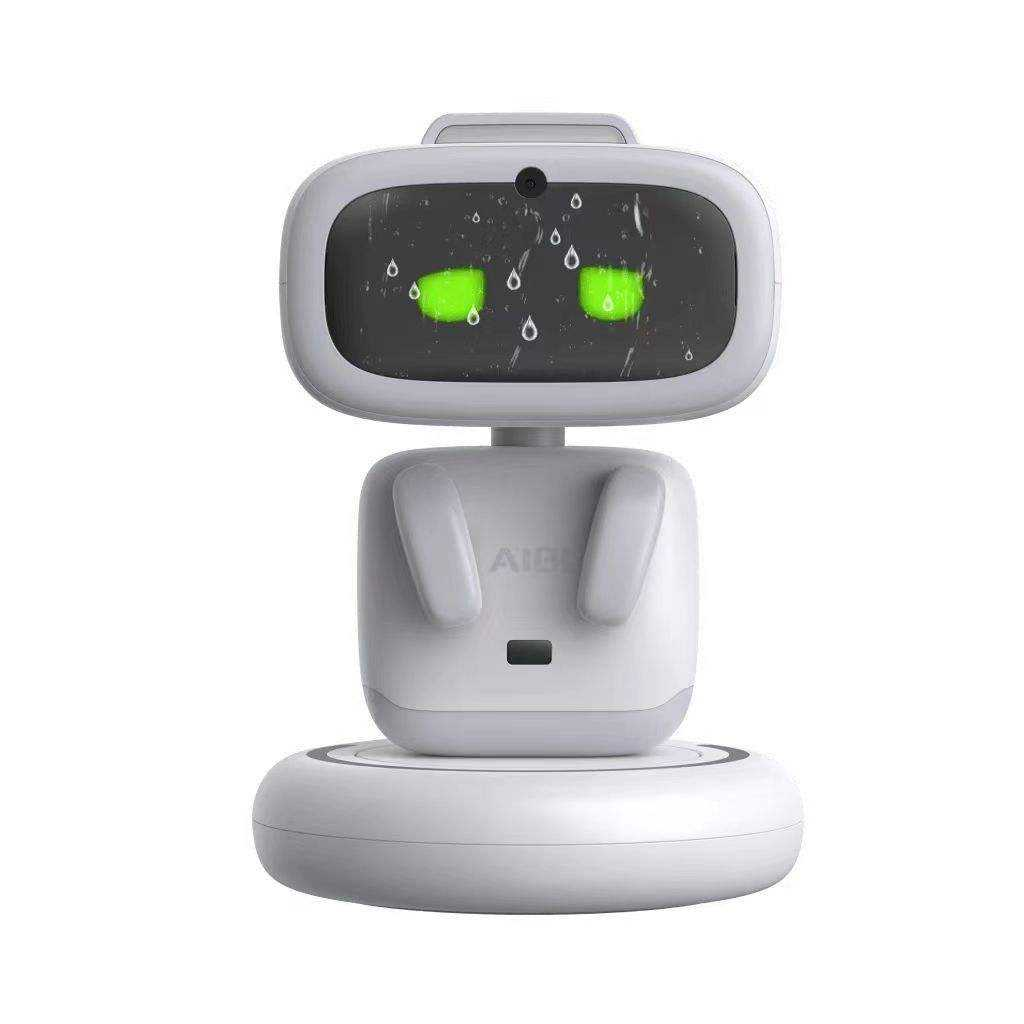
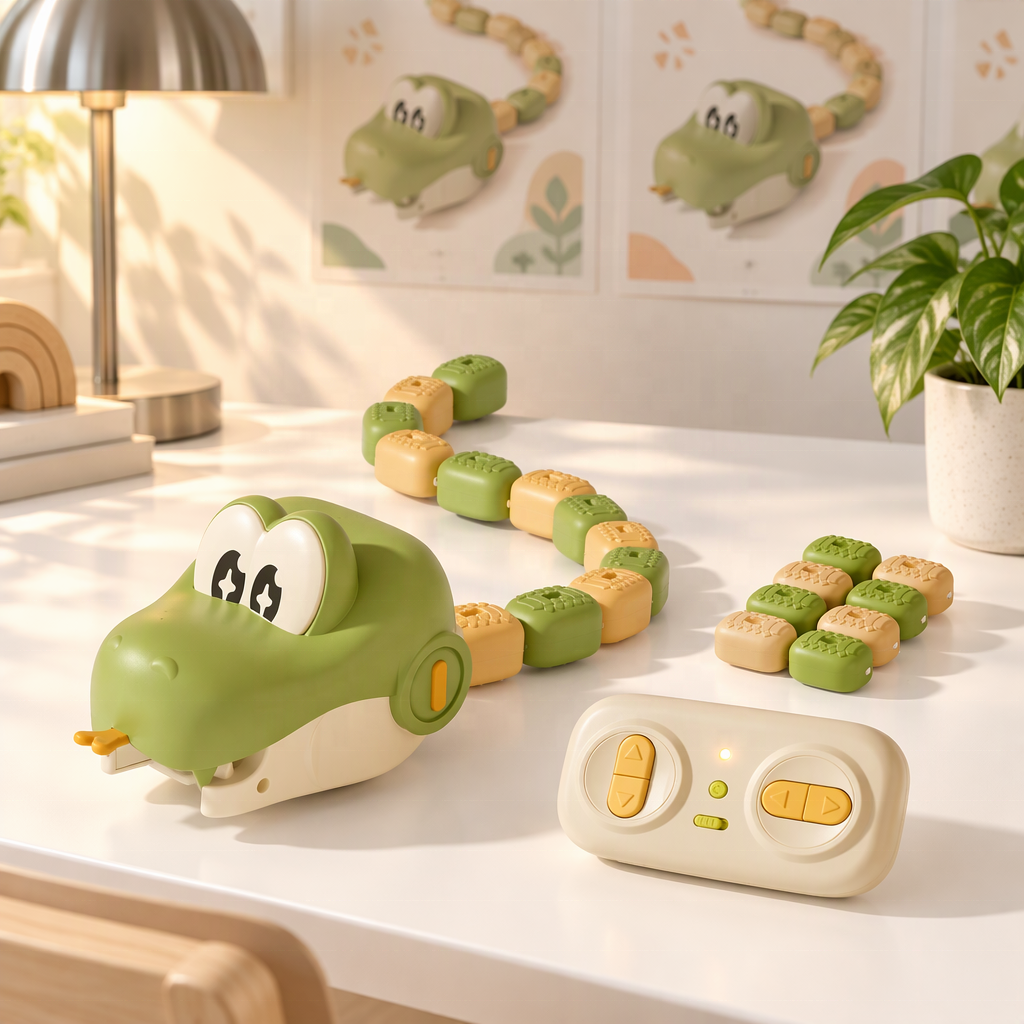
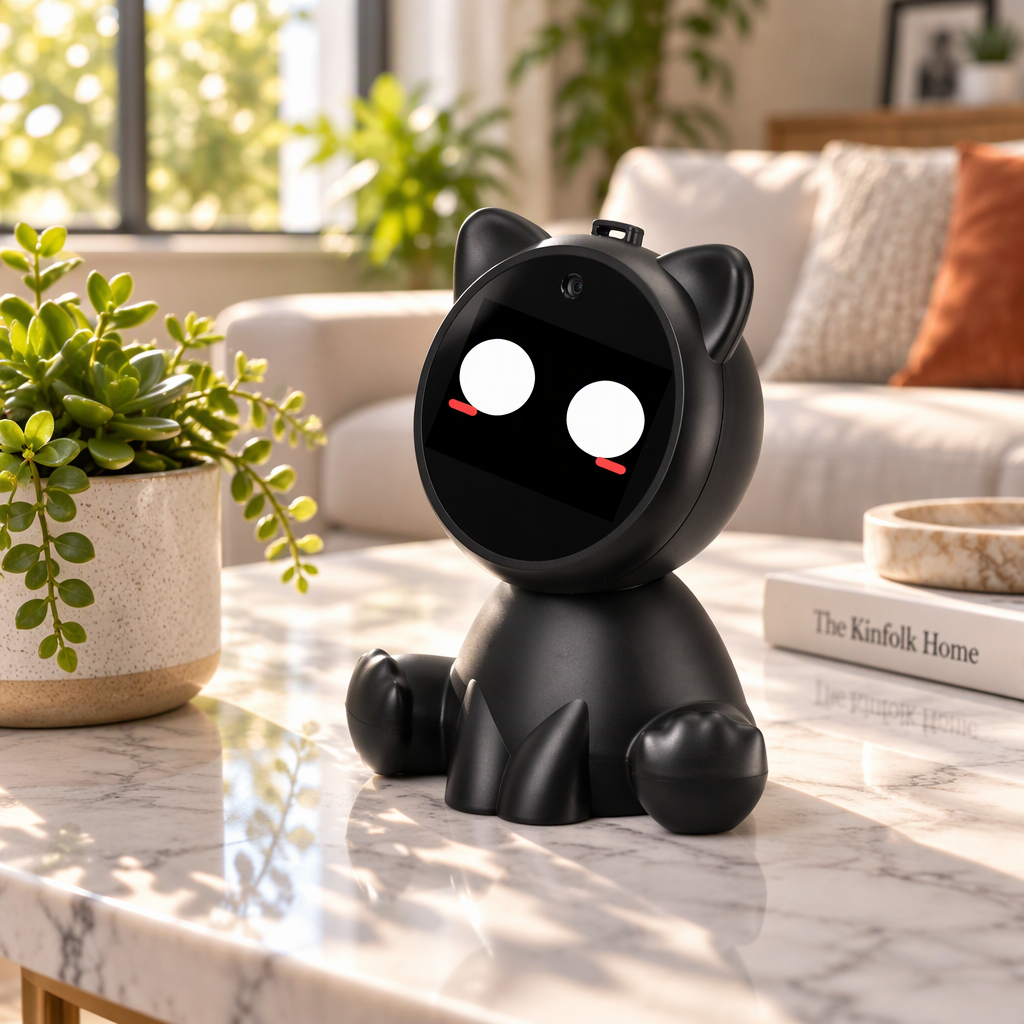

As the smart toy ecosystem shifts from passive playthings to autonomous, biomechanically responsive consumer robotics, institutional purchasers face increasing regulatory oversight. The CE Certified microduck skating robot represents a benchmark in kinetic balance engineering, combining brushless DC motor drives, gyro-stabilized multi-axis gyroscopes, and high-frequency communication protocols within miniature form factors. Achieving authentic conformity under European Directive 2009/48/EC (Toy Safety Directive), EN 71-1 (Mechanical & Physical Properties), EN 71-2 (Flammability), and EN 71-3 (Migration of Certain Elements) requires systemic factory controls from resin blending to final firmware burning.
Our research into global search intent indicates that importers, e-commerce brand owners, and physical retail chains no longer query simple catalogue listings; they seek defensible engineering data. When evaluating a professional skating robot, the balance between skate wheel friction coefficient (μ = 0.35 ± 0.05), dynamic torque distribution during rapid directional changes, and high-efficiency lithium battery thermal envelopes (UN38.3 compliance) defines commercial viability and minimizes after-sale return rates.
We combine advanced Shenzhen R&D infrastructure with vertically managed production ecosystems to deliver end-to-end reliability for enterprise clients.
Our production facilities, testing facilities, and operational integrity are directly verified through thorough on-site auditing by TÜV Rheinland and international auditing bureaus.
We support scalable procurement starting from low MOQ evaluation units up to multi-container mass production with proprietary mould and tooling design protections.
Eliminate fragmented supply channels. Our integrated ecosystem consolidates smart microduck robots, conversational AI plush, and educational STEM platforms under one logistic plan.
We facilitate global commerce with comprehensive terms: FOB, CIF, DDP, and EXW supporting multi-currency settlements in USD, EUR, GBP, AUD, and CNY.
Wholesale distribution of consumer robotics is undergoing structural realignments. Purchasing departments are moving away from traditional transactional manufacturing toward integrated value engineering. B2B procurement data identifies four dominant purchasing trends over the coming half-decade:
1. Edge Computing Over Pure Cloud Reliance: Latency issues in pure cloud conversational toys have accelerated client demand for on-chip Natural Language Understanding (NLU) and pre-cached acoustic models. This reduces server operating costs for distributors and guarantees uninterrupted interactive play during variable internet connectivity.
2. Algorithmic Movement Synchronization: Modern retail buyers demand that motorized motion, such as microduck skating mechanics, correlates directly with acoustic feedback and sensor inputs. Robots must exhibit fluid bipedal imitation, obstacle evasion, and kinetic inertia rather than simplistic pre-programmed repetitive loops.
3. Transparent Life-Cycle Documentation: Institutional buyers across the European Union and North America require traceable supply-chain files (Bill of Materials verification, conflict-free mineral disclosures, full phthalate-free plasticizer testing). Supplying compliant CE declarations alongside comprehensive technical design files (TDF) is now mandatory for commercial entry.
Emerging mechanical, perceptual, and communicative paradigms transforming the international microduck robotics category.
Future microduck skating architectures integrate solid-state Time-of-Flight (ToF) range finders and multi-channel infrared arrays to calculate distance gradients in real time, preventing falls from ledges and navigating dynamic domestic surfaces with high agility.
Moving beyond basic speech recognition, upcoming firmware integrates lightweight LLM engines (such as localized DeepSeek and quantized transformer models), enabling microduck robotics to conduct multi-turn contextual dialogues and contextual personality adaptations.
Next-generation skating robots feature high-stability lithium polymer cells coupled with autonomous overcurrent, overcharge, and thermal monitoring ICs, allowing for rapid 30-minute USB-C PD recharge cycles while extending continuous dynamic run-time to exceed 180 minutes.
Shenzhen MDT Technology Co., Ltd. (Microducktoys) implements a rigorous seven-stage quality gate system engineered specifically for consumer smart hardware:
Raw Material Analysis: Spectrographic evaluation of non-toxic virgin ABS polymers ensures total absence of heavy metals (Lead, Cadmium, Hexavalent Chromium) and compliance with REACH regulations.
Motor Longevity & Thermal Testing: Skating drivetrains undergo 500-hour continuous stress testing on rolling friction dynos to guarantee magnetic coil integrity, gearbox gear tooth durability, and operational noise parameters below 45 dB.
Battery Enclosure Drop Impact Resistance: Finished assemblies are subjected to multi-angle drop tests from a 1.5-meter height onto reinforced concrete surfaces to verify that lithium-ion battery containment cells maintain structural integrity without puncture risk.
Signal Interference & EMC Pre-Compliance: Verification under EN 301 489-1 and EN 55032 ensures the robots do not emit unshielded electromagnetic frequencies that compromise surrounding Wi-Fi, Bluetooth, or household electronics.
Technical, regulatory, and contractual insights to expedite your commercial evaluation process.
Every commercial consignment includes an authorized Declaration of Conformity (DoC), laboratory test reports validating EN 71 (Parts 1, 2, 3), EMC testing according to 2014/30/EU, Radio Equipment Directive (RED) certification for RF remote control modules, and UN38.3 test summaries alongside material safety data sheets (MSDS) for maritime and air transport clearance.
Off-the-shelf neutral models are available with an evaluation MOQ of 1 carton for engineering verification. Silk-screen logo application, customized quick-start guides, and bespoke packaging configurations initiate at 500 units. Deep OEM modifications—including custom injection colorways, localized voice banks, and unique chassis tooling—require project-based scopes from 2,000 to 5,000 units.
Yes. Our embedded DSP hardware architectures support custom acoustic vocabulary training. Standard platforms offer comprehensive multi-language support (including English, Spanish, French, German, Japanese, and Arabic). Custom wake words and private cloud API integrations (ChatGPT, DeepSeek, or proprietary client backends) can be implemented via custom firmware flashes.
All integrated lithium power packs are equipped with internal safety circuit boards (PTC protection) and ship with complete dangerous goods (DG) compliance paperwork. We handle air-eligible PI967 packaging (batteries contained in equipment) with appropriate class 9 hazardous labels, ensuring compliance through customs inspections globally.
Ready-to-ship standard configurations dispatch within 3 to 7 business days. Tier-1 custom packaging orders generally require 15 to 20 calendar days from artwork sign-off. Full ODM manufacturing involving specialized tooling iterations, PCB fabrication, and comprehensive QA testing adheres to a strict 35 to 45-day cycle.
We supply a comprehensive 12-month factory manufacturing warranty covering motor drivetrains, PCB mainboards, and battery performance. Enterprise partners are backed with a 1% spare parts allotment on volume orders and access to our engineering division for OTA firmware maintenance and application diagnostics.
Connect with our technical sales division to download technical specifications, factory test data, CE Declarations of Conformity, and tier-volume wholesale rate cards.