CE Certified Microduck Robot Development Supplier & Exporter
Precision Engineering, Edge-AI Voice Architecture, and Turnkey OEM/ODM Manufacturing for Global Toy Brands, Educational Importers, and High-Volume Retailers.
Export-Ready Inventory & Custom Frameworks
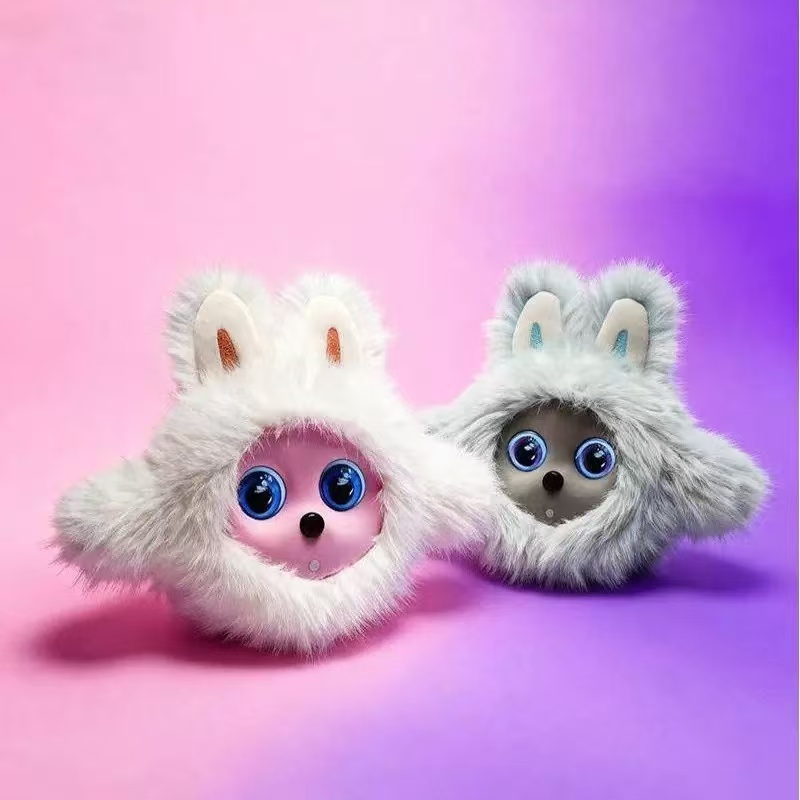
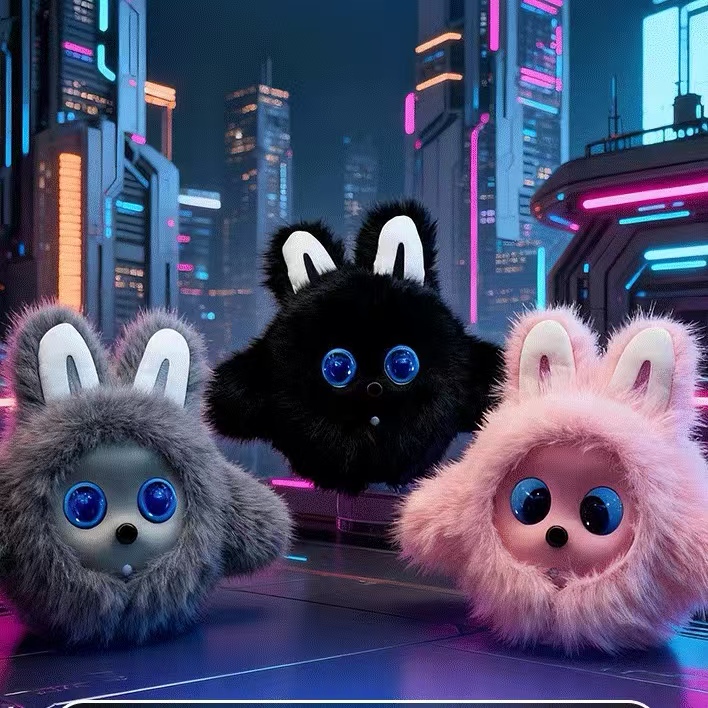
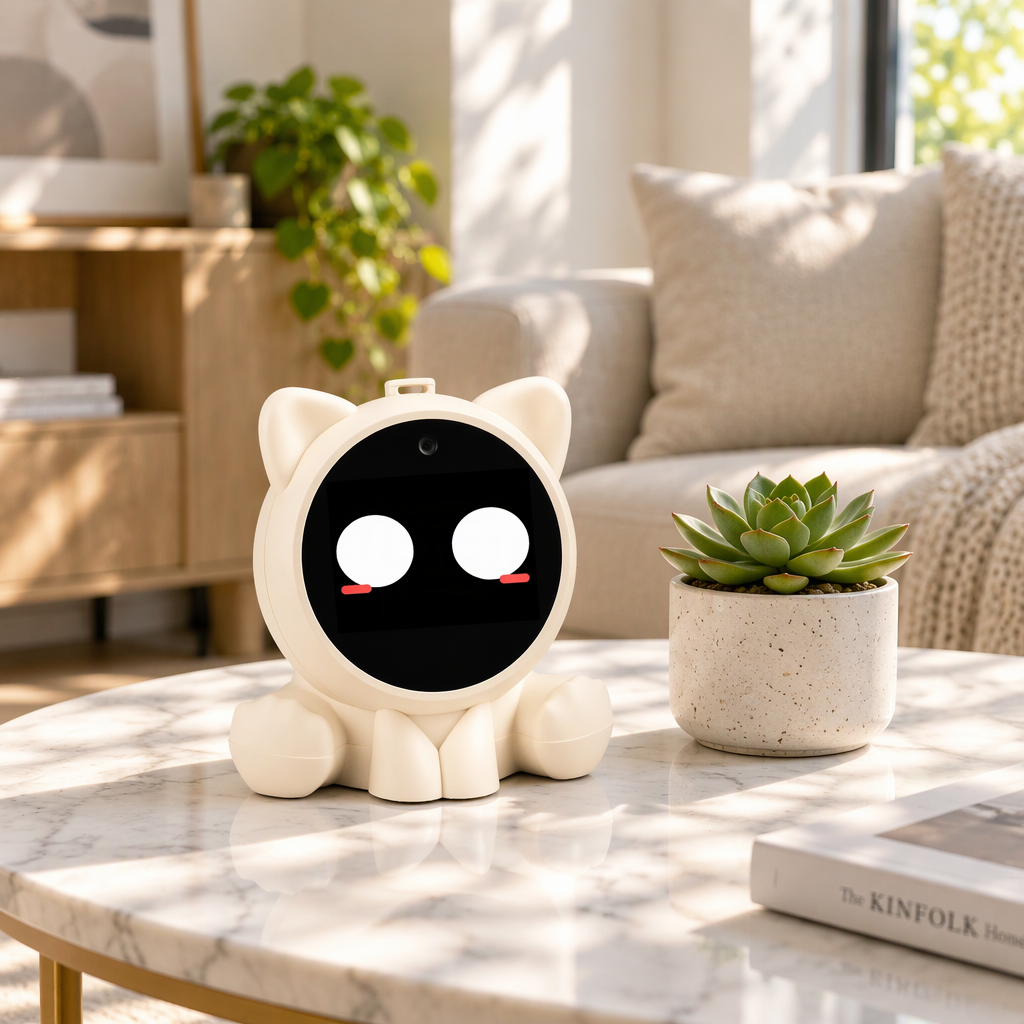
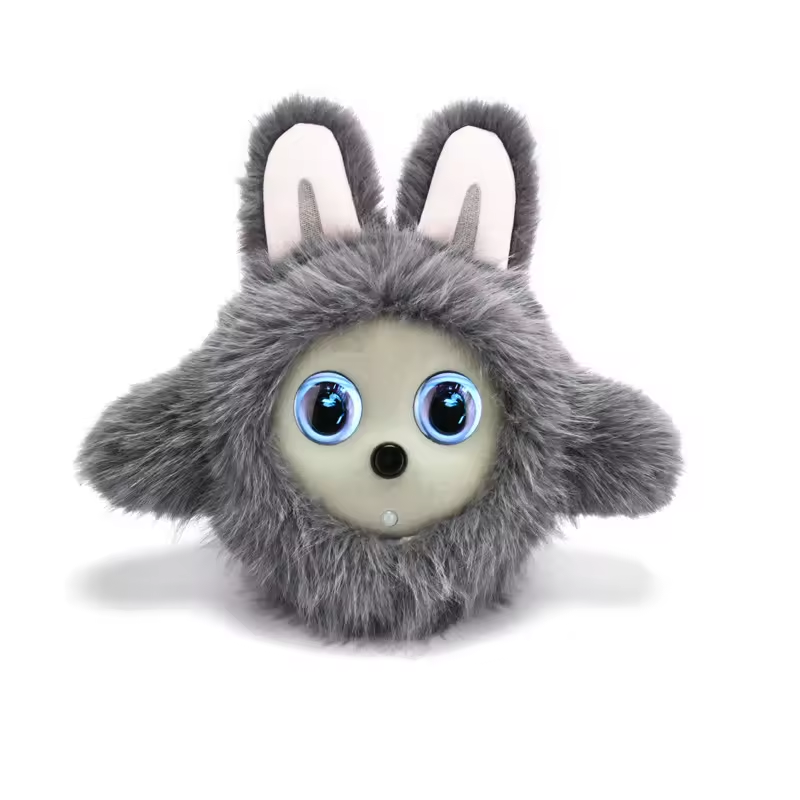
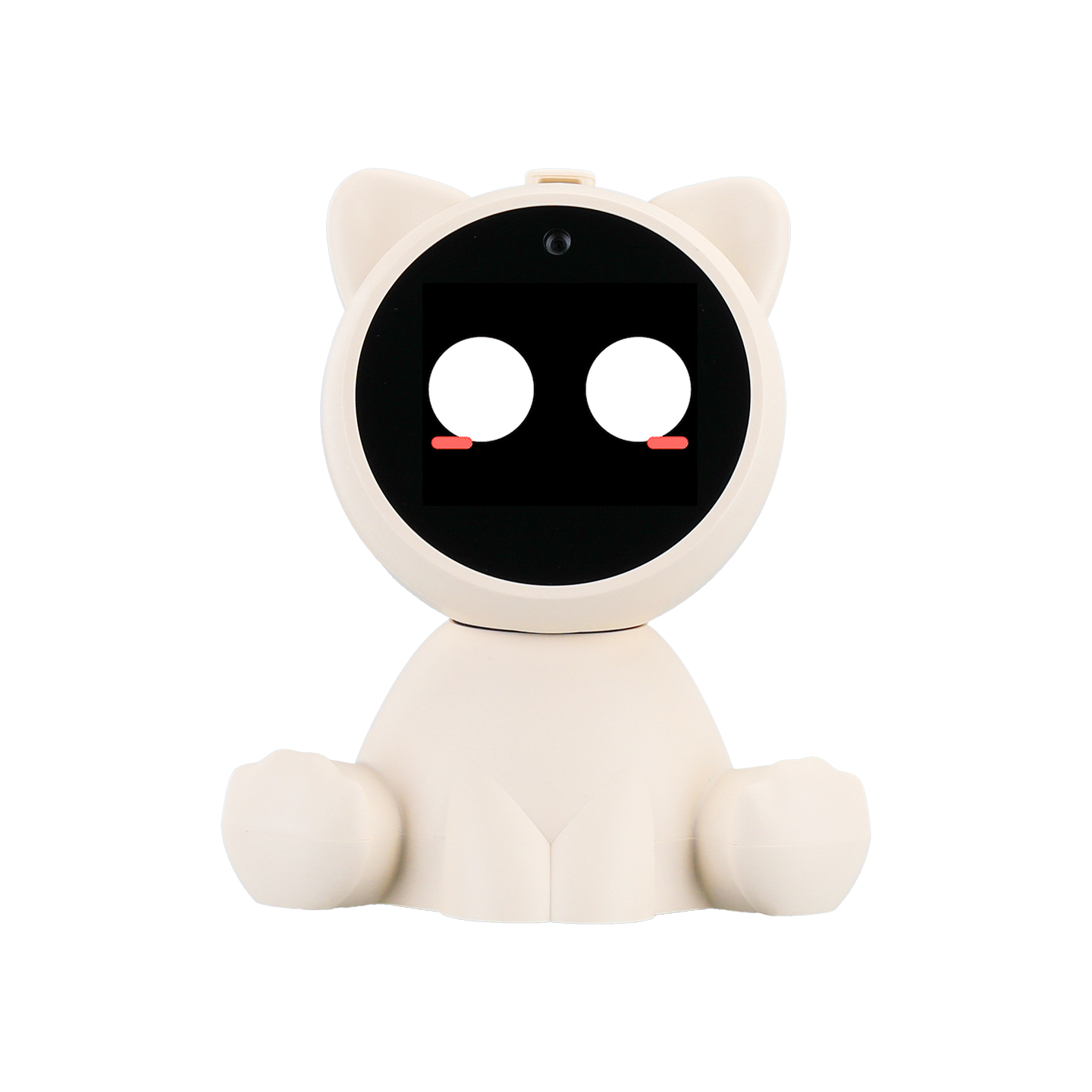
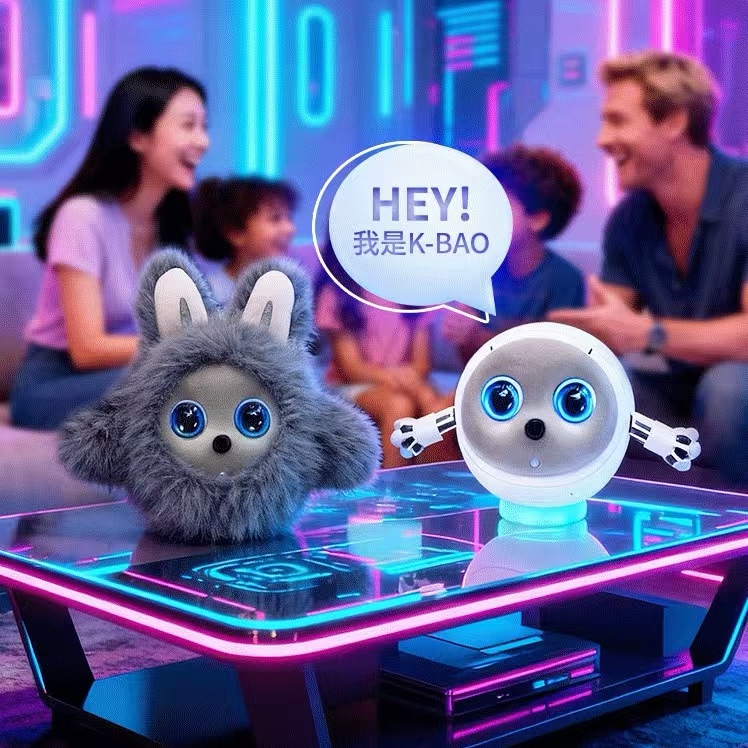
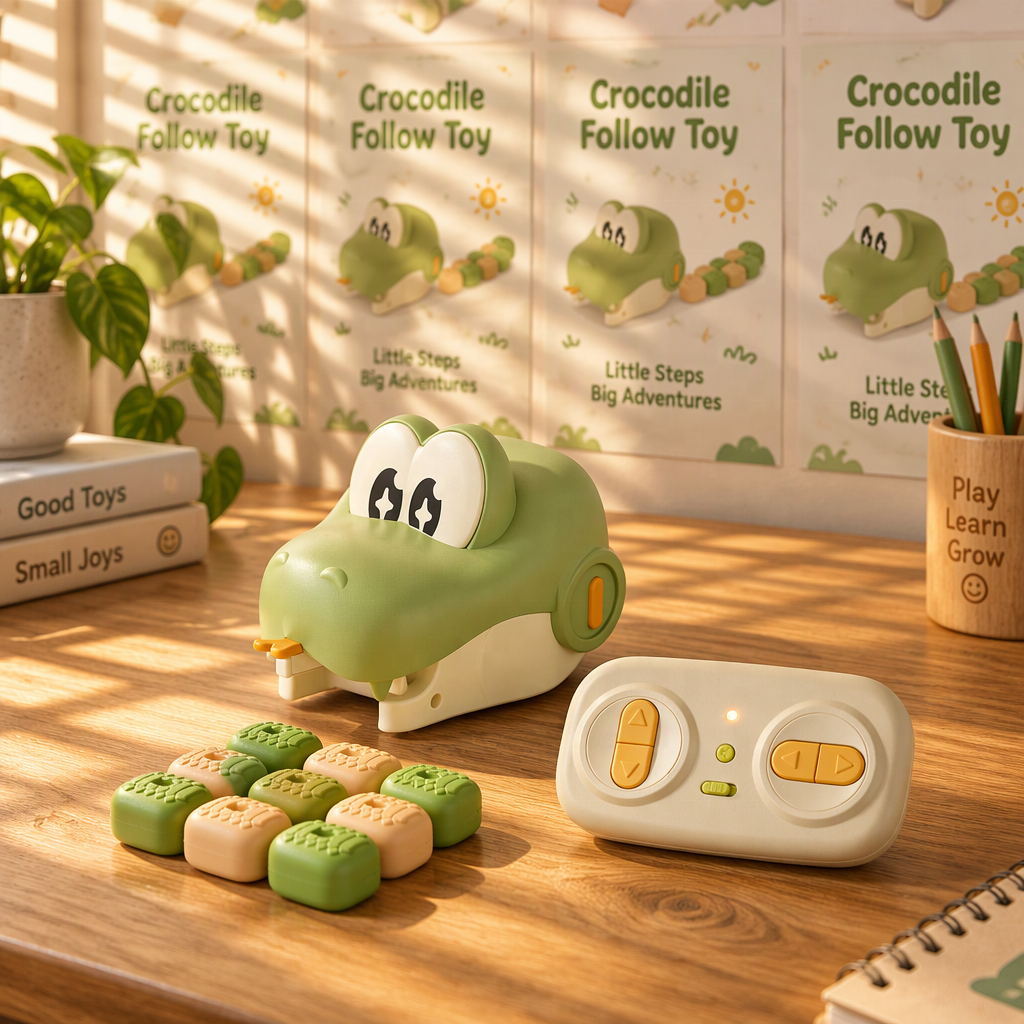
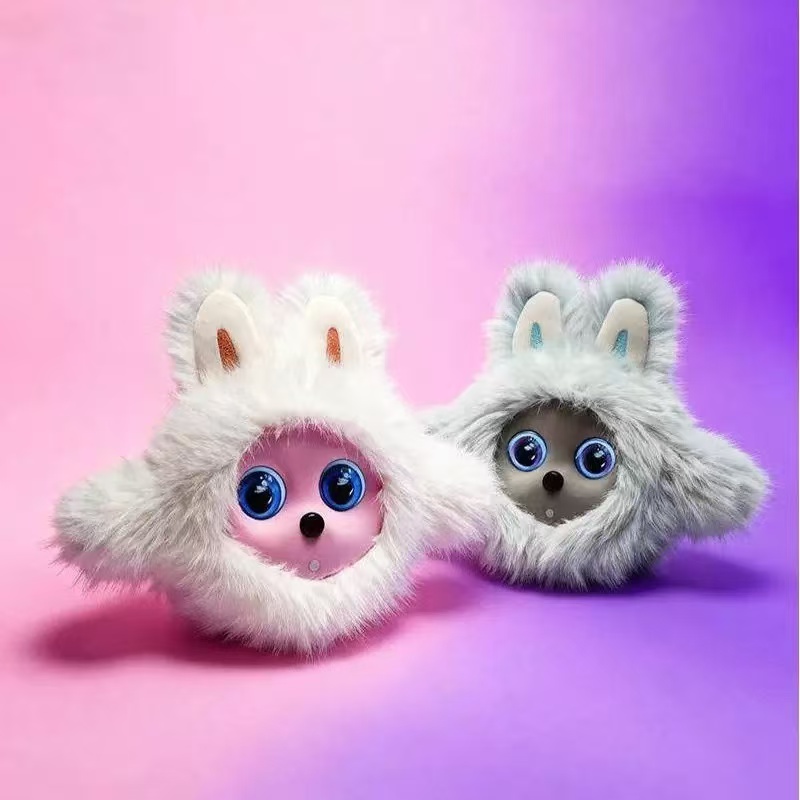
High-Demand Microduck AI Robots & Smart Companions
Pre-engineered hardware configurations compliant with CE RED (Radio Equipment Directive 2014/53/EU), EN 71, and EN 62115. Available for immediate private-label branding or project-based custom ODM.
Founded at the global epicenter of electronics manufacturing, Shenzhen MDT Technology Co., Ltd. bridges the critical gap between frontier artificial intelligence algorithms and child-safe physical computing. With over five years of dedicated engineering in generative speech chips, conversational robotics, and smart companion pets, we operate as a Tier-1 OEM/ODM partner for international toy conglomerates, educational publishers, and consumer electronics distributors.
Our manufacturing matrix combines high-precision injection tooling, anti-interference SMT PCB assembly, acoustic calibration labs, and hypoallergenic textile sewing under one unified ISO-compliant quality protocol. Verified on-site by TÜV Rheinland, our multi-specialty supply capabilities guarantee that your hardware conforms unconditionally to international toy safety standards.
Exhaustive Compliance Portfolio: Full documentation for CE (RED, EMC, LVD), EN 71 parts 1-3, EN 62115, RoHS 2011/65/EU, and REACH.
Consolidated Sourcing Matrix: Source AI plush robots, interactive desktop companions (EMO/Loona series), and STEAM learning platforms with single-bill logistics.
Bridging generative language models with rigorous mechanical, thermal, and electronic toy safety mandates.
Dual-Engine AI Voice Pipeline
Microduck hardware utilizes high-speed edge wake-word processing alongside secure TLS-encrypted cloud pipelines. Supporting leading models like ChatGPT and DeepSeek, our dual-microphone DSP arrays isolate high-pitch children's voices in 75dB noisy environments with sub-450ms end-to-end response latency across 37 native languages.
Child Privacy & COPPA/GDPR Compliance
Data privacy is engineered directly onto the silicon. Our firmware avoids persistent local storage of ambient biometric voiceprints. Voice streams are converted dynamically into hashed phonetic tokens, processed in volatile memory, and permanently purged. Zero personally identifiable information (PII) is logged or monetized, satisfying COPPA 2.0 and EU GDPR Article 8.
BMS & Thermal Runaway Mitigation
All rechargeable configurations (up to 3000mAh) integrate precision Battery Management Systems (BMS) with multi-point NTC thermistors. Microduck battery packs feature triple protection: over-current, over-voltage, and physical puncture safeguards, fully compliant with UN38.3, MSDS air transit declarations, and EN 62115 electric toy thermal thresholds.
Subsystem
Microduck Engineering Standard
CE Certification / Regulatory Compliance
Commercial Sourcing Impact
Acoustic Input
Dual MEMS Array, Realtek DSP Beamforming
EN 301 489-1 (EMC for Radio Equipment)
High accuracy recognition of childish speech patterns
EN 62471 Photobiological Eye Safety (Blue Light Exempt)
Safe for extended screen-free bedtime interactive play
Connectivity
Wi-Fi 802.11 b/g/n + BLE 5.3 Low Energy Audio
CE RED 2014/53/EU Article 3.2 (Radio Spectrum)
Global frequency band compliance without localized RF revamps
Industry Analysis & Strategic Forecasting
The Next 5 Years: Strategic AI Robot Procurement Trends
Key procurement vectors transforming the smart toy landscape from simple talking toys to empathetic, lifelong companions.
1. Hybrid Edge-SLM Integration
Procurement is pivoting from pure cloud-reliant LLM toys toward Small Language Models (SLMs) running directly on NPU-enabled toy microcontrollers. This shifts recurrent API token fees away from the toy manufacturer, enabling instant offline companionship during transit and remote usage.
2. Emotional Valence Recognition
Future iterations of Microduck products are integrating multimodal sentiment recognition. By evaluating vocal pitch, response pace, and touch sensors, robots like the Loona and EMO platforms dynamically shift facial LCD expressions to soothe frustrated or overstimulated children.
3. Modular Circular Design
Upcoming EU Ecodesign directives demand repairability and recyclable chassis. Microduck leads development with standardized click-out electronic pods, allowing consumers to wash the plush casing easily and upgrade internal AI compute units without discarding the toy.
4. Multi-Tenant Private Clouds
Global toy brands are demanding private-label cloud partitions where localized parental portals allow custom vocabulary whitelists, bedtime hour lockouts, and bedtime-reading content generation, fully isolated from third-party advertising scrapers.
Turnkey Engineering Methodology
From Industrial Brief to CE Certified Production in 5 Steps
Our standardized development gates eliminate delays in RF testing, software localization, and mechanical validation.
01
Requirement & Spec
Definition of retail price target, target demographic, voice personas, language support, and regulatory requirements (CE, FCC, CPSIA, UKCA).
02
Rapid Prototyping
Dispatch of standard evaluation units (1 pc MOQ) within 48 hours; custom 3D-printed chassis & PCB breadboards assembled within 14 days.
03
Firmware & Tuning
LLM prompt tuning, custom wake words, conversational boundary guardrails, acoustic chamber tuning, and LCD animation design.
04
Lab Testing & QC
Full-spectrum testing: mechanical drop tests (EN 71-1), flammability burn checks (EN 71-2), RF EMC chamber analysis, and battery safety cycling.
05
Logistics & Support
Volume delivery under Incoterms (FOB, CIF, DDP) accompanied by complete CE Declaration of Conformity (DoC) and ongoing OTA firmware updates.
End-to-End Production Control
Tiered AI Toy Portfolios for Multi-Category Retail
One of the primary challenges for overseas importers is fragmented vendor management: sourcing plush bodies from one factory, electronic modules from another, and desktop robots from a third. Shenzhen MDT Technology Co., Ltd. eliminates this operational friction by housing the complete consumer smart robotics spectrum under a single engineering umbrella.
Whether you require low-price seasonal impulse toys or high-margin $299 desktop companions with 3D ToF vision cameras, our facilities guarantee uniform build tolerances, harmonized retail packaging aesthetics, and unified customs declarations.
100% pre-shipment testing of wireless pairing, microphone sensitivity, and motor torque.
Flexible mixed-SKU container loading for regional distributor pilots.
On-site engineering liaison support for enterprise software integrations.
Buyer Due Diligence
Wholesale Procurement & Technical FAQ
Clear, direct answers regarding minimum orders, certification legality, software fees, and logistics.
What is the absolute Minimum Order Quantity (MOQ) for custom projects?
For standard in-stock inventory models and evaluation samples, our MOQ starts at just 1 piece to allow full physical and acoustic testing. Custom silk-screen branding and custom gift packaging start at 500 pieces. Full custom injection tooling or bespoke plush character sculpting (ODM) typically requires a baseline of 1,000 to 2,000 units depending on structural complexity.
How does Microduck certify CE compliance for the European Single Market?
Our robots are tested by accredited third-party laboratories (including TÜV Rheinland and SGS) against the relevant harmonized directives: CE RED (Radio Equipment Directive 2014/53/EU) for wireless RF, EN 71-1, 2, 3 for mechanical, flammability, and chemical limits, and EN 62115 for electric toy safety. Complete test reports and EC Declarations of Conformity (DoC) are supplied prior to shipment.
Which Large Language Models (LLMs) power the interactive voice dialogue?
We deploy customizable software stacks utilizing leading architectures including ChatGPT-4o-mini and DeepSeek-V3 pipelines, as well as localized, low-latency ASR/TTS engines. For high-volume enterprise distributors, we can link the robots directly to your proprietary cloud API or train custom knowledgebases containing proprietary brand storylines and educational lessons.
How do you handle shipping for products with high-capacity Lithium batteries?
All Microduck robots containing 3000mAh lithium batteries are strictly certified under UN38.3 vibration, altitude, and shock protocols, with valid Material Safety Data Sheets (MSDS) and compliant drop-tested carton markings. We coordinate air freight (PI967), ocean shipping, and door-to-door DDP transit without battery clearance delays.
Can you localize speech recognition for specific accents and regional dialects?
Yes. Our voice recognition engine supports up to 37 distinct languages and regional accents (including UK English, US English, Australian English, LatAm Spanish, European French, German, Arabic, and Japanese). Acoustic gain settings and child-speech training sets ensure natural comprehension even when younger children pronounce words imperfectly.
What Incoterms and international payment options do you support?
We work across all standard Incoterms including FOB Shenzhen/Hong Kong, CIF, EXW, FCA, CPT, and full DDP (Delivered Duty Paid). Payment channels include Telegraphic Transfer (T/T), Letter of Credit (L/C at sight), D/P, PayPal, Western Union, and secure Trade Assurance escrow, accepting USD, EUR, GBP, AUD, and CAD currencies.
Initiate Your Custom Robot Development Program
Connect directly with our engineering sales division to request technical datasheets, full CE test documentation, or evaluation prototypes delivered in as few as 3 business days.